Industrial automation has transformed the way manufacturing plants and processing facilities operate. Automated valve control improves process accuracy, reduces manual intervention, enhances workplace safety, and increases overall operational efficiency. At the heart of many automated valve systems is the 3 phase actuator, a robust electric actuator designed to operate industrial valves in demanding environments where reliable and continuous performance is essential.
Selecting the right 3 phase actuator is a critical decision because the actuator directly influences valve performance, system reliability, and maintenance requirements. An actuator that is too small may fail to generate sufficient torque, while an oversized unit can increase installation costs and consume unnecessary power. Understanding the application and evaluating key technical factors can help ensure long-term performance and efficient valve automation.
What Is a 3 Phase Actuator?
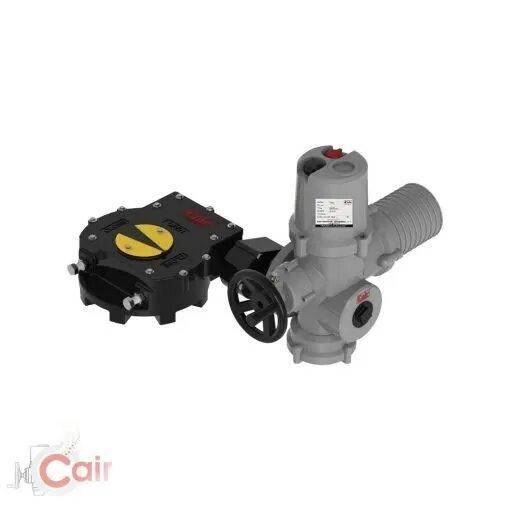
A 3 phase actuator is an electrically powered device that converts electrical energy from a three-phase power supply into mechanical motion to open, close, or regulate industrial valves. It is commonly used to automate valves such as butterfly valves, ball valves, gate valves, plug valves, and damper valves.
Compared to single-phase actuators, a three-phase actuator is generally preferred for industrial environments because it provides smoother operation, higher torque output, better efficiency, and reliable performance during continuous-duty applications.
These actuators are widely installed in industries where large valves and demanding operating conditions require dependable automation.
Why Use a 3 Phase Actuator?
Modern industrial facilities rely on automation to improve productivity and maintain consistent process control. A 3 phase actuator offers several advantages that make it suitable for heavy-duty industrial applications.
Some key benefits include:
- High torque output for large industrial valves
- Smooth and consistent valve operation
- Reliable performance during continuous operation
- Better efficiency compared to single-phase systems
- Reduced manual operation
- Easy integration with PLC and SCADA systems
- Improved process safety and automation
These benefits make three-phase actuators an ideal choice for process industries where valve operation must be accurate and dependable.
Factors to Consider When Choosing a 3 Phase Actuator
Selecting the right actuator involves much more than matching the valve size. Several engineering factors should be evaluated before making a decision.
1. Valve Type
Different valves require different operating characteristics.
A 3 phase actuator may be used with:
- Butterfly valves
- Ball valves
- Gate valves
- Globe valves
- Plug valves
- Damper valves
The valve type determines the actuator's motion, travel angle, and torque requirements.
2. Torque Requirement
Torque is one of the most important selection criteria.
The actuator must generate enough torque to operate the valve under the maximum expected operating pressure.
Factors affecting torque include:
- Valve size
- Process pressure
- Valve design
- Media characteristics
- Frequency of operation
Always include an appropriate safety margin when calculating required torque to account for changing operating conditions and long-term wear.
3. Operating Voltage
A 3 phase actuator should match the available power supply at the installation site.
Common industrial voltages include:
Confirming voltage compatibility helps ensure reliable operation and prevents electrical issues.
4. Duty Cycle
Some applications require only occasional valve movement, while others involve frequent or continuous operation.
Before selecting an actuator, determine:
- Number of operating cycles
- Daily operating frequency
- Continuous or intermittent duty
- Expected service life
The actuator should be designed to handle the application's workload without overheating or excessive wear.
5. Environmental Conditions
Industrial environments vary considerably.
Consider whether the actuator will be exposed to:
- High temperatures
- Outdoor weather
- Dust
- Moisture
- Corrosive chemicals
- Hazardous locations
Selecting an actuator with the appropriate enclosure rating and corrosion-resistant construction helps improve reliability.
6. Speed of Operation
Some industrial processes require valves to open or close quickly, while others need slow, controlled movement.
Selecting the proper operating speed ensures stable process control and protects connected equipment from sudden pressure changes.
7. Control Requirements
Modern plants often integrate valve automation into centralized control systems.
Check whether the 3 phase actuator supports:
- PLC integration
- SCADA systems
- Remote monitoring
- Position feedback
- Modulating control
- Emergency shutdown functions
Choosing an actuator compatible with the plant's automation infrastructure simplifies installation and future expansion.
Common Applications of 3 Phase Actuators
Three-phase actuators are widely used in industries where reliable valve automation is essential.
Typical applications include:
Water Treatment Plants
Automating flow control valves for filtration and distribution systems.
Chemical Processing
Controlling process valves handling aggressive chemicals.
Oil and Gas Industry
Operating isolation and process control valves under demanding conditions.
Power Generation
Managing steam, cooling water, and combustion systems.
Food and Beverage Processing
Automating hygienic process valves for consistent production.
HVAC Systems
Regulating chilled water, hot water, and air handling systems.
Steel and Cement Industries
Operating large valves used in heavy industrial processes.
Common Selection Mistakes
Incorrect actuator selection often leads to premature failures and higher maintenance costs.
Avoid these common mistakes:
- Underestimating torque requirements
- Ignoring environmental conditions
- Choosing incorrect voltage ratings
- Selecting an unsuitable duty cycle
- Failing to consider automation compatibility
- Oversizing the actuator unnecessarily
- Ignoring maintenance accessibility
A thorough engineering evaluation helps prevent these issues.
Maintenance Tips
Although modern electric actuators are designed for long service life, routine maintenance remains important.
Recommended maintenance practices include:
- Inspect electrical connections regularly.
- Verify smooth valve operation.
- Check mounting hardware for looseness.
- Inspect seals for moisture ingress.
- Test limit switches and position indicators.
- Monitor motor temperature during operation.
- Perform functional testing at scheduled intervals.
Preventive maintenance improves reliability and minimizes unexpected downtime.
Choosing a Reliable Manufacturer
The performance of a 3 phase actuator depends not only on its technical specifications but also on the quality of its design and manufacturing. When selecting an actuator, consider manufacturers that provide:
- Precision-engineered products
- Reliable torque performance
- Compliance with industry standards
- Quality testing before dispatch
- Technical documentation
- Spare parts availability
- Strong after-sales support
Working with an experienced manufacturer helps ensure the actuator is properly matched to the application and performs consistently over its service life.
Why Choose Cair Euromatic Automation?
Cair Euromatic Automation specializes in industrial valve automation solutions designed to meet the needs of modern process industries. The company offers high-quality electric actuator solutions that emphasize durability, precision, and dependable operation across a wide range of industrial applications.
With a strong focus on engineering excellence, product quality, and customer support, Cair Euromatic Automation helps industries automate valve operations efficiently while improving process reliability, reducing manual intervention, and supporting long-term operational performance.
Conclusion
Selecting the right 3 phase actuator is a key step in achieving reliable and efficient industrial valve automation. Factors such as valve type, torque requirements, operating voltage, environmental conditions, duty cycle, and automation compatibility all play an important role in actuator performance.
By carefully evaluating these factors, following proper installation and maintenance practices, and partnering with an experienced automation solutions provider, industries can improve productivity, reduce downtime, and extend equipment life. Cair Euromatic Automation continues to deliver dependable valve automation solutions that support efficient, accurate, and reliable industrial operations across diverse sectors.




 English
 Arabic
 French
 Spanish
 Deutsch
 Turkish
 Dutch
Dutch
 Italiano
 Russian
 Romaian
 Portuguese (Brazil)
 Greek
Greek
