


How to Learn Japanese Language with Professional Classes?
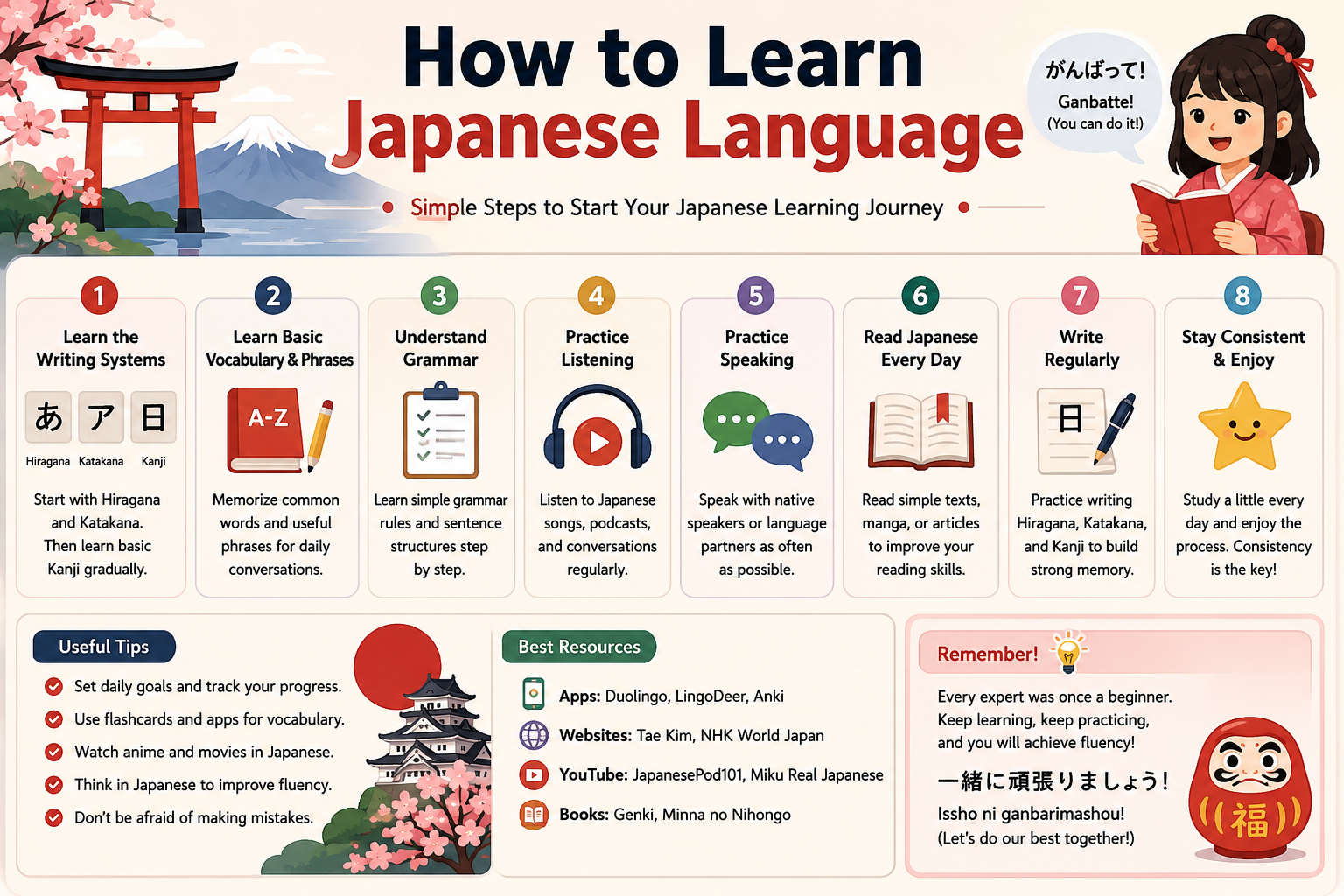
Japanese is one of the most rewarding languages to learn but it is also one of the most difficult for English speakers. With three writing systems, more complex grammar structures than English (yes, really), and layers upon layers of levels of politeness, self-study often leads Japanese language learners nowhere but a beginner's plateau. This is where professional classes come in to play. They offer the structure, mentorship, and repetition self-taught students often fail to recreate independently. In which, if you are devoted to reaching fluency then the following is a full guide on how exactly to master Japanese through formal training.
Understand Why Professional Classes Matter
How to Learn Japanese Language for Beginners Apps or Youtube will teach you some basic vocabulary; however these rarely offer the deep understanding needed to hold a real conversation. Professional classes are constructed by linguists that know how much time it takes to go from a complete beginner, all the way up to an advanced speaker. One has content that is methodical, which means you get taught grammar, vocabulary, reading, writing and speaking in the order that it should be learnt. Another disadvantage to self-study is that there are no real-time pronunciation and grammar correction by an instructor, which is a key benefit of many language schools.
Select the Right Class Type
- Just, but determine beforehand what format works best for both your lifestyle and you learning.
- If you prefer face-to-face interaction and want immediate feedback from a teacher (and classmates), in-person classes are your best bet.
- Online live classes can be a great middle-ground between on-demand content and real-time instructor access, so they are popular among busy professionals and students.
- Self-paced online courses, ideal for independent people that want to learn at their own pace, can be a little less accountable than live sessions.
- One-on-one tutoring is ideal when you want a completely customized pace and curriculum that focuses only on your goals: business Japanese, JLPT exam preparation, etc.
- Depending on your comfort level, schedule, budget, and learning preferences choose one of these options
- Step 01: Learn the Basics first – Hiragana and Katakana
Most professional classes start with hiragana and katakana, the two phonetic scripts that make up Japanese reading and writing, before getting into advanced grammar. What you need to understand is that both scripts are going to be used and will appear very frequently in kid books, road signs, etc… so getting these templates down early is a necessity. Solid classes employ myriad drilling methods such as repetition drills, flashcards, and writing practice to inject these characters into second nature within weeks.
Build Vocabulary and Grammar Systematically
Structured lessons come along now and introduce vocabulary and grammar in easy bites after the basics are in place. Professional teachers tend to use firm frameworks like the progressive N5–N1 of the Japanese Language Proficiency Test (JLPT). This method lashes out so that you are not swamped and that every next grammar point follows a process. Courses typically involve these types of practical exercises, such as constructing sentences and role-playing discussions, or including listening comprehension activities to reinforce new content.
Practice Speaking from Day One
Guided speaking practice is one of the biggest advantages of professional classes. Self-learning often results in avoidance of speaking altogether out of fear that one may make mistakes; classes provide a low-stakes environment to practice. Instructors frequently use pair work, group discussions or roleplay examples that mimic everyday occurrences like ordering food, asking for directions or introducing yourself. Nothing can fulfil your fluency like regular speaking practice from day one: passive study will take you far longer.
Learn Kanji Strategically
The third Japanese writing system, kanji, is quite intimidating — there are thousands & thousands of characters! You learn this in professional classes through tried and true methods, such as learning the roots of radical, mnemonic devices, and spaced repetition systems. Instead of random characters flash cards, structured courses introduce kanji right alongside vocabulary that you're already studying so they are less foreign and easier to remember.
Immerse Yourself Beyond the Classroom
Classes are great for the base, but real fluency comes through consistent exposure outside of lessons. Along the study, you can watch Japanese shows or listen podcasts for this practice, read some manga or graded readers to understand better your reading comprehension and some language exchange app to talk directly with native speakers. Various professional class providers also offer conversation clubs or cultural events, allowing students further opportunities to practice in relaxed environments.
Track Progress and Set Milestones
A well-oiled Japanese language school will employ assessments, quizzes and mock exams to measure your progression. If you need some direction in your studies, setting specific milestones such as passing JLPT N5 within six months or being able to hold a five-minute conversation by the end of a course will keep you motivated! Share your goals with your instructor to have lesson plans and pacing adjusted for you.
Final Thoughts
Japanese can take a while to learn — that is, unless you take professional classes: they cut the time it takes to master as much of the language as possible from years down into something manageable. They give students structure, feedback from experts in teaching and access to a supportive community full of others who are learning just like them. Be it physical classrooms, live online classes or private tuition, the holy-grail is not just consistency but active engagement and involvement both inside and outside classroom. Conversational Japanese—and even fluent Japanese—are totally achievable with the right guidance and diligent practice.

 English
 Arabic
 French
 Spanish
 Portuguese
 Deutsch
 Turkish
 Dutch
Dutch
 Italiano
 Russian
 Romaian
 Portuguese (Brazil)
