


Daycare vs Preschool: Key Differences Every Parent Should Know
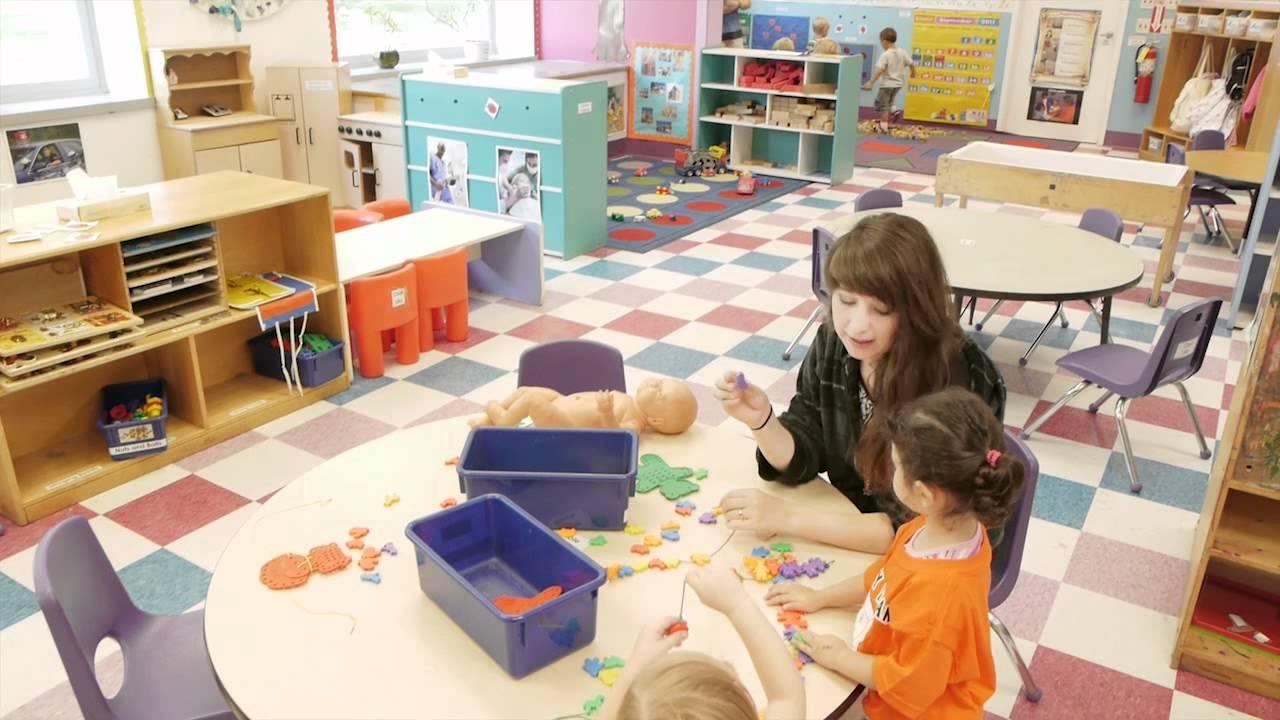
Choosing the right place for your child is one of the biggest decisions a parent can make. Many families compare daycare vs preschool before deciding what fits their child's needs. While both provide a safe place for children, they have different goals, schedules, and learning styles. Knowing these differences can help you make the best choice for your family.
In this article, you will learn how daycare and preschool are different, what benefits each one offers, and which option may be right for your child.
What Is Daycare?
Daycare is a childcare service that looks after children while parents are at work or busy during the day. It usually accepts children from infancy to school age. Most daycare centers offer flexible hours, making them a good choice for working families.
Children spend their day playing, eating, resting, and taking part in simple learning activities. The main goal is to provide a safe, caring, and happy environment where children can grow and develop.
Many daycare centers also help children build basic social skills by encouraging group play and teamwork.
What Is Preschool?
Preschool is an early education program designed for children between the ages of three and five. Its main purpose is to prepare children for kindergarten and future school life.
Preschools focus on learning through fun activities. Children practice counting, recognizing letters, listening to stories, singing songs, and doing art projects. These activities help improve thinking, language, and communication skills.
Unlike daycare, preschool usually follows a school schedule with set class hours.
Understanding Daycare vs Preschool
When parents compare daycare vs preschool, they often notice that each serves a different purpose. Daycare mainly provides daily care and supervision, while preschool focuses more on early learning and school readiness.
Children in daycare may spend more time playing freely, while preschool children follow a planned learning routine with activities that build reading, writing, and problem-solving skills.
The best choice depends on your child's age, your family's schedule, and your educational goals.
Age Requirements
Age is one of the biggest differences between daycare and preschool.
Daycare welcomes babies, toddlers, and older children. Some centers even provide before-school and after-school care for children already attending elementary school.
Preschool usually accepts children who are at least three years old and ready to take part in structured classroom activities.
Parents with younger children often choose daycare first and later move their child into preschool when they are ready for early education.
Learning Style
Learning happens in both settings, but the teaching approach is different.
Daycare focuses on learning through play. Children build confidence by exploring toys, games, music, and outdoor activities. They also learn important daily habits like sharing, cleaning up, and following simple instructions.
Preschool uses a more organized learning plan. Teachers introduce basic subjects through fun lessons that help children prepare for kindergarten. These activities improve attention, memory, language, and early math skills.
Daily Schedule
The daily routine is another important difference.
Daycare centers often stay open for long hours, sometimes from early morning until evening. This flexible schedule supports parents who work full-time.
Preschools usually have shorter sessions, often lasting two to four hours each day. Some programs offer morning and afternoon classes.
Families should choose a schedule that works best for both parents and children.
Social Development
Both daycare and preschool help children build strong social skills.
Children learn how to make friends, share toys, take turns, and solve small problems together. They also learn to listen to adults and follow classroom rules.
Preschool may place more focus on teamwork and classroom behavior because it prepares children for elementary school.
Strong social skills help children feel confident when they begin kindergarten.
Cost Differences
The cost of childcare depends on location, program quality, and daily hours.
Daycare can cost more because it often provides care for a full day. Parents pay for longer supervision and daily support.
Preschool programs may cost less if they operate only a few hours each day. However, private preschools with advanced learning programs may have higher tuition fees.
Parents should compare costs while also considering the quality of care and education.
Which Option Is Best for Your Child?
Choosing between daycare vs preschool depends on your family's needs.
If you need reliable childcare during work hours, daycare may be the better choice. It offers flexibility and supports children of different ages.
If your child is ready to build school skills and follow a classroom routine, preschool may be the better option. It helps children become more confident before entering kindergarten.
Some families even use both. A child may attend preschool during the morning and daycare later in the day while parents finish work.
Questions Parents Should Ask
Before choosing a program, visit the center and ask questions such as:
-
Are teachers trained in early childhood education?
-
What safety rules are followed?
-
What is the daily schedule?
-
How are children encouraged to learn?
-
How does the staff communicate with parents?
-
What activities are offered each day?
Seeing the classroom in person can help you feel more confident about your decision.
Final Thoughts
Choosing between daycare vs preschool is an important step in your child's early years. Both options provide valuable experiences that help children grow, learn, and build confidence.
The right choice depends on your child's age, personality, and your family's daily routine. A caring environment, qualified staff, and age-appropriate activities matter more than simply choosing one option over the other.
By understanding the key differences, you can select a program that supports your child's development and gives them a strong start for the future.

 English
 Arabic
 French
 Spanish
 Portuguese
 Deutsch
 Turkish
 Italiano
 Russian
 Romaian
 Portuguese (Brazil)
 Greek
Greek
