


How to Handle Anger Issues in Relationships Before They Cause Lasting Damage?
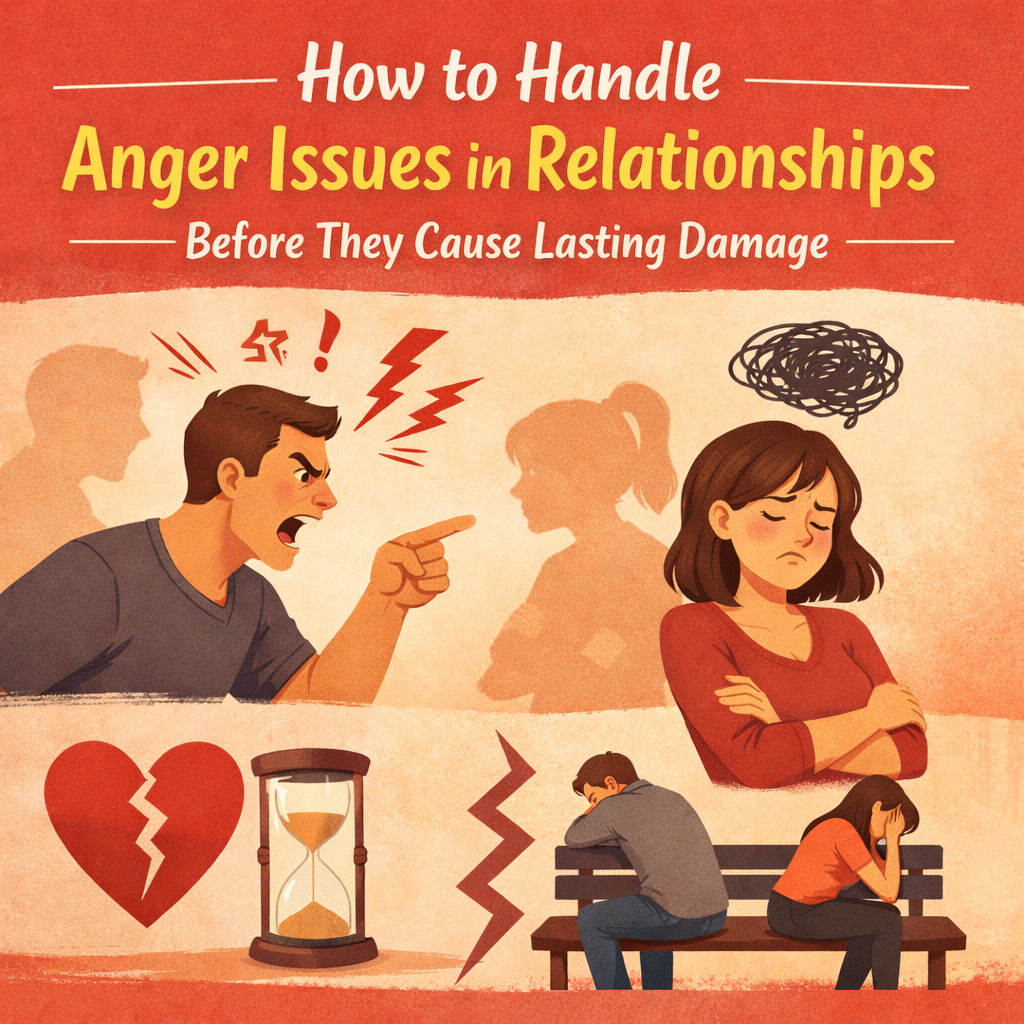
Every relationship has its moments of frustration, but when anger becomes a recurring force rather than an occasional feeling, it can quietly erode the love and trust two people have built. Anger itself isn't the enemy it's a natural, healthy emotion that signals something matters to us. The real problem is how it's expressed. When anger is handled poorly, it wounds; when it's understood and channelled well, it can actually bring couples closer. Learning to recognise and manage it is one of the most valuable things any couple can do to protect their bond.
Understanding Where the Anger Really Comes From
Anger issues in relationships rarely stem from the surface argument. A disagreement about chores or money is often just the spark; underneath lies something deeper feeling unappreciated, unheard, disrespected, or afraid. When we don't understand these underlying triggers, we react to the symptom instead of the cause, and the same fights repeat on a loop, growing more bitter each time.
Recognising your personal triggers is the first step toward change. Ask yourself what you were really feeling in the moments before anger took over. More often than not, anger is a protective response covering a more vulnerable emotion we'd rather not show. Naming that softer feeling hurt, fear, loneliness changes the entire conversation.
It also helps to notice the stories we tell ourselves in the heat of the moment. Thoughts like 'they never listen' or 'they don't care about me' pour fuel on the fire, even when they aren't fully true. Learning to question these automatic assumptions gives you a moment of choice a chance to respond thoughtfully rather than react blindly.
The Damage Unmanaged Anger Can Cause
When anger is expressed through shouting, criticism, silence, or contempt, it leaves lasting marks. Over time, a partner may start walking on eggshells, withdrawing emotionally, or bracing for the next outburst. Trust erodes, intimacy fades, and both people begin to feel more like opponents than teammates. The saddest part is that this rarely reflects a lack of love it reflects a lack of tools.
Children and other family members feel this tension too. A household shaped by frequent anger teaches everyone in it that conflict is frightening rather than something that can be worked through safely. Addressing anger, then, isn't only about protecting your partnership; it's about the emotional climate everyone around you lives in.
Practical Ways to Manage Anger in the Moment
When you feel anger rising, pause before you speak. Take a breath, step away if needed, and give your nervous system a moment to settle. This simple pause prevents words you'll later regret. When you return to the conversation, focus on expressing how you feel rather than attacking your partner 'I felt hurt when…' lands very differently from 'You always…'.
Listening matters just as much as speaking. Try to understand your partner's perspective before defending your own. Most conflicts calm significantly the moment each person feels genuinely heard. And remember that resolving the issue matters more than winning the argument a 'win' that leaves your partner feeling defeated is really a loss for the relationship.
Rebuilding Trust After Conflict
Managing anger in the moment is only half the work; what happens afterward matters just as much. A sincere apology, a willingness to acknowledge the hurt caused, and a genuine effort to do better next time all help repair the small ruptures that conflict creates. These repair attempts are what allow couples to move through disagreements without accumulating resentment. Over time, a relationship where both partners know how to reconnect after a fight becomes far more secure than one where conflict is simply avoided.
When to Seek Professional Support
Sometimes couples need more than good intentions to break long-standing patterns, and that's completely normal. Relationship counseling online has made professional help more accessible than ever, allowing couples to work through anger and communication issues from the comfort and privacy of home. A trained counsellor offers a neutral space, practical tools, and guidance tailored to your specific dynamic.
Reaching out isn't a sign that your relationship is failing it's a sign that you value it enough to invest in it. Many couples find that a few guided sessions completely transform how they handle conflict.
Protecting the Relationship You Value
Anger doesn't have to be destructive. With awareness, better communication, and support when needed, it can even become a doorway to deeper understanding. By addressing anger issues early before they cause lasting damage you give your relationship the chance to grow stronger, safer, and more connected than before.

 English
 Arabic
 French
 Portuguese
 Deutsch
 Turkish
 Dutch
Dutch
 Italiano
 Russian
 Romaian
 Portuguese (Brazil)
 Greek
Greek
