


How Small Businesses in Huntsville, AL Should Prepare for Winter Storm Disruptions
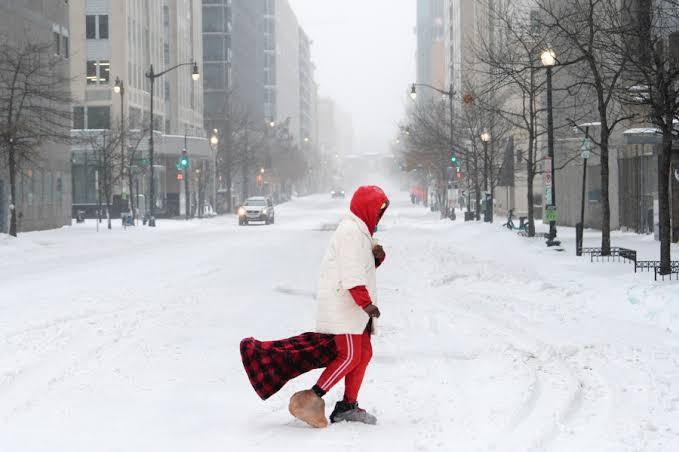
Winter storms may not be as frequent in Huntsville, Alabama, as they are in northern states, but they can still create major challenges for local businesses. Ice storms, freezing rain, sleet, and occasional snowfall have the potential to shut down roads, delay deliveries, interrupt utilities, and reduce customer traffic. Even a relatively small winter weather event can cause significant disruptions because the region is not equipped with the same level of snow-removal infrastructure found in colder climates.
For small businesses, preparation is not just about surviving a few days of bad weather. It is about protecting employees, maintaining customer trust, reducing financial losses, and ensuring operations can recover quickly once conditions improve. Whether you own a retail shop, restaurant, medical office, warehouse, professional services firm, or manufacturing business, a comprehensive winter storm preparedness plan can make all the difference.
This guide explains how Huntsville businesses can prepare for winter storm disruptions through employee safety policies, remote work planning, inventory management, customer communication strategies, insurance protection, liability prevention, and snow removal planning.
Understanding Winter Weather Risks in Huntsville
Unlike regions that experience heavy snowfall every winter, Huntsville often faces a different combination of weather hazards.
Common winter threats include:
- Freezing rain
- Ice accumulation
- Black ice on roads
- Sudden temperature drops
- Power outages
- Frozen pipes
- Transportation delays
- School closures affecting employees
- Delivery interruptions
Ice is often more dangerous than deep snow because roads become extremely slippery while appearing relatively clear. Even one day of freezing rain can impact business operations throughout Madison County.
Small businesses should prepare for these disruptions before the winter season begins instead of reacting when forecasts become severe.
Create a Winter Emergency Business Plan
Every business should have a written winter weather response plan that employees understand.
The plan should identify:
- Who makes weather-related closure decisions
- Emergency contact information
- Communication methods
- Remote work procedures
- Customer notification process
- Payroll procedures during closures
- Vendor contacts
- Utility emergency numbers
- Building shutdown procedures
Assign responsibilities in advance so employees know exactly what to do if severe weather develops overnight or during business hours.
Review the plan every autumn and update phone numbers, email addresses, and emergency contacts.
Develop Clear Employee Safety Policies
Employee safety should always be the highest priority.
Many workplace injuries occur because employees feel pressured to drive during dangerous weather conditions.
A winter weather policy should explain:
When Employees Should Stay Home
If roads become hazardous, management should encourage employees to prioritize personal safety.
Avoid creating attendance policies that unintentionally encourage unsafe driving.
Instead, define objective weather conditions that trigger delayed openings or closures.
Flexible Arrival Times
Road conditions often improve later in the morning after temperatures rise or treatment crews have worked.
Allowing staggered arrival times reduces accident risk while maintaining partial operations.
Emergency Leave Procedures
Employees should know:
- Who to contact
- How to report unsafe travel
- Whether paid leave applies
- Remote work expectations
- Shift coverage procedures
Clear expectations reduce confusion during rapidly changing weather.
Build Reliable Remote Work Protocols
Many Huntsville businesses discovered during recent years that remote work can maintain productivity during emergencies.
Even businesses with physical locations usually have administrative tasks that employees can perform from home.
Develop remote work procedures before winter begins.
Include:
- Secure VPN access
- Cloud file storage
- Multi-factor authentication
- Video conferencing software
- Company messaging platform
- Shared calendars
- Customer support tools
Test systems periodically rather than waiting until an emergency occurs.
Employees should know exactly how to log in remotely.
Decide When to Transition Operations
Rather than making subjective decisions every storm, establish objective criteria.
For example, create a decision matrix based on official weather alerts and road conditions. When your team has predetermined thresholds, everyone understands what happens next without confusion.
Build a simple decision matrix for your team: when the winter storm warning Huntsville page shows an active warning, automatically shift to remote operations and send customers an email about modified hours.
Having predetermined triggers reduces last-minute uncertainty and ensures consistent responses.
Strengthen Your Supply Chain
Winter weather can interrupt deliveries throughout the Southeast.
Even if Huntsville experiences only minor ice, suppliers located elsewhere may experience severe storms.
Consider:
- Shipping delays
- Warehouse closures
- Highway restrictions
- Supplier staffing shortages
- Transportation bottlenecks
Diversifying suppliers reduces dependence on a single source.
Maintain updated contact information for all vendors and identify backup suppliers whenever possible.
Maintain Inventory Buffers
Businesses relying on physical inventory should evaluate seasonal stock levels before winter.
Products commonly affected include:
- Packaging materials
- Cleaning supplies
- Restaurant ingredients
- Medical supplies
- Office essentials
- Fuel
- Manufacturing components
Holding modest safety stock for critical items helps maintain operations when deliveries are delayed.
Avoid excessive inventory that ties up unnecessary cash, but identify products that would significantly impact operations if unavailable.
Prepare Technology Systems
Winter storms frequently cause power interruptions.
Protect business technology by installing:
- Battery backup systems
- Surge protectors
- Automatic cloud backups
- Redundant internet connections where practical
Regularly test backups to verify data can actually be restored.
Store important contact lists in cloud-based systems so employees can access them remotely.
Prepare Your Building
Business facilities require seasonal maintenance before freezing temperatures arrive.
Inspect:
- Roof drainage
- Gutters
- Heating systems
- Pipe insulation
- Windows
- Door seals
- Exterior lighting
- Parking lot drainage
Preventive maintenance is usually much less expensive than emergency repairs after storm damage.
Prevent Frozen Pipes
Burst pipes create expensive water damage and lengthy business interruptions.
Protect plumbing by:
- Insulating exposed pipes
- Maintaining minimum indoor temperatures
- Sealing air leaks
- Disconnecting outdoor hoses
- Knowing main water shutoff locations
If your building will remain closed during a winter event, designate someone to periodically inspect the property when safe.
Communicate Clearly With Customers
Customers appreciate proactive communication.
Before winter arrives, decide how closures will be announced.
Common communication channels include:
- Company website
- Google Business Profile
- Email newsletters
- SMS alerts
- Voicemail updates
Consistency is important.
Customers should receive the same information regardless of which platform they check.
Create Closure Message Templates
Instead of writing messages during stressful situations, prepare templates beforehand.
Include:
- Temporary hours
- Expected reopening
- Emergency contact information
- Online ordering options
- Appointment rescheduling instructions
Templates reduce errors while allowing rapid communication.
Protect Customer Relationships
Transparency builds trust.
If deliveries are delayed or appointments must be rescheduled, communicate early.
Customers generally understand weather-related disruptions when businesses provide timely updates.
Silence creates frustration.
Frequent communication strengthens customer confidence.
Evaluate Insurance Coverage
Many business owners assume all storm damage is automatically covered.
Unfortunately, policies vary considerably.
Meet with your insurance agent before winter.
Review:
- Property coverage
- Business interruption insurance
- Equipment breakdown coverage
- Water damage exclusions
- Utility interruption coverage
- Inventory protection
- Commercial auto insurance
Understanding coverage before filing a claim prevents unpleasant surprises.
Business Interruption Insurance
Physical damage is only part of the financial impact.
Lost revenue during closures can be significant.
Business interruption insurance may help replace lost income if covered damage forces temporary closure.
Review waiting periods, exclusions, and documentation requirements.
Maintain accurate financial records that would support future claims.
Document Property Conditions
Before winter begins:
- Photograph buildings
- Photograph equipment
- Document inventory
- Save maintenance records
- Update asset lists
Good documentation simplifies insurance claims after storms.
Store copies securely in cloud storage.
Reduce Slip-and-Fall Liability
One of the biggest legal risks for storefront businesses during winter is customer injuries.
Even limited snowfall or freezing rain can create hazardous walkways.
Business owners have a responsibility to maintain reasonably safe premises.
Develop written snow and ice removal procedures.
Include:
- Inspection schedules
- Ice treatment methods
- Documentation
- Employee responsibilities
- Contractor contact information
Keep records showing when sidewalks were inspected and treated.
Documentation may become valuable if liability questions arise.
Maintain Safe Walkways
Inspect entrances frequently during winter weather.
Focus on:
- Sidewalks
- Entry ramps
- Parking lots
- Loading docks
- Exterior stairs
- Accessible parking spaces
Use appropriate ice melt products that minimize damage to concrete while improving traction.
Place absorbent mats inside entrances to reduce wet floors.
Replace saturated mats promptly.
Display caution signs whenever floors become slippery.
Train Employees
Employees should understand winter safety procedures.
Training topics include:
- Reporting hazards
- Ice removal procedures
- Wet floor management
- Emergency communication
- Customer assistance
- Incident reporting
Regular refresher training improves consistency.
Hire Snow Removal Contractors Early
Although Huntsville experiences fewer snow events than northern cities, reputable contractors often become fully booked before winter storms.
Do not wait until snow is forecast.
Discuss:
- Response times
- Service priorities
- Ice treatment
- Sidewalk clearing
- Parking lot plowing
- Emergency call procedures
- Pricing structure
Obtain written agreements before winter.
Review Contractor Insurance
Any contractor working on your property should carry adequate liability insurance.
Request current certificates of insurance before signing agreements.
Verify:
- General liability coverage
- Workers' compensation coverage
- Vehicle insurance
Proper documentation protects your business if accidents occur.
Plan for Utility Outages
Power outages can interrupt:
- Payment systems
- Internet access
- Heating
- Security systems
- Refrigeration
- Manufacturing equipment
Identify which operations require backup power.
Critical businesses may benefit from generators.
Others may simply need battery backups for computers and networking equipment.
Protect Perishable Inventory
Restaurants, grocery stores, pharmacies, and healthcare providers should prepare for refrigeration failures.
Monitor temperatures continuously.
Develop procedures for:
- Product relocation
- Disposal decisions
- Insurance documentation
- Customer communication
Maintaining food safety remains essential during emergencies.
Financial Preparedness
Unexpected closures reduce revenue while many expenses continue.
Maintain an emergency reserve that can help cover:
- Payroll
- Rent
- Utilities
- Insurance premiums
- Vendor payments
Cash reserves improve resilience during prolonged disruptions.
Coordinate With Local Partners
Relationships matter during emergencies.
Maintain communication with:
- Suppliers
- Property managers
- Utility providers
- Banks
- Insurance agents
- Delivery companies
- Maintenance contractors
Knowing whom to call speeds recovery.
Conduct Annual Winter Drills
Preparedness plans should be tested.
Run tabletop exercises covering scenarios such as:
- Ice storm causing power outage
- Major delivery delays
- Building closure
- Remote work activation
- Customer notification
- Pipe freeze
Identify weaknesses before real emergencies occur.
Review Lessons After Every Storm
After each winter event, gather feedback.
Ask:
- What worked well?
- What caused delays?
- Which communication methods were effective?
- Were customers informed quickly enough?
- Were employees safe?
- Did inventory remain adequate?
Continuous improvement strengthens future preparedness.
Final Thoughts
Winter storms in Huntsville may be less frequent than in colder parts of the country, but they can still create significant operational challenges for small businesses. Ice-covered roads, delayed shipments, power outages, and hazardous walkways can quickly disrupt normal operations if organizations are unprepared.
The businesses that recover fastest are typically those that plan ahead rather than reacting when severe weather arrives. By establishing clear employee safety policies, implementing reliable remote work protocols, maintaining inventory buffers, communicating proactively with customers, reviewing insurance coverage, reducing slip-and-fall risks, and securing dependable snow removal services before winter begins, Huntsville business owners can minimize downtime and protect both their employees and their bottom line.
Preparedness is not a one-time task. Reviewing plans annually, training employees, testing emergency procedures, and adapting lessons learned after each storm will help businesses remain resilient through every winter season. With thoughtful planning and proactive risk management, small businesses can continue serving their communities safely and confidently, even when winter weather disrupts normal operations

 English
 French
 Spanish
 Portuguese
 Deutsch
 Turkish
 Dutch
Dutch
 Italiano
 Russian
 Romaian
 Portuguese (Brazil)
 Greek
Greek
