


How Food Insecurity in Philadelphia Is Reduced Through Food Rescue
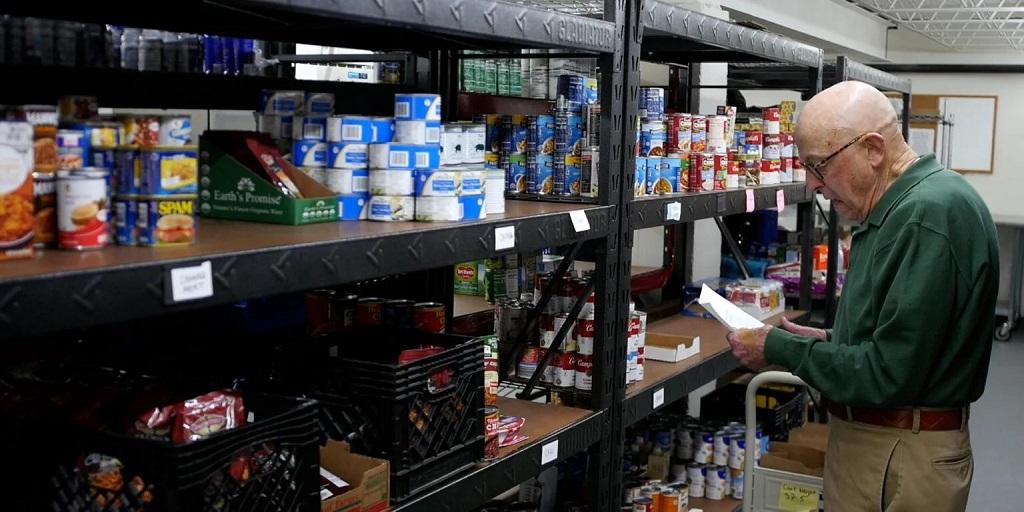
Food insecurity in Philadelphia remains a daily reality for many households, even though millions of pounds of edible food are discarded every year. Across the United States, approximately 40% of food produced ends up in landfills. At the same time, many Philadelphia residents struggle to access consistent, nutritious meals. Recovering surplus food offers a practical solution that reduces waste while expanding access to healthy food.
Food Rescue Creates Opportunities Instead of Waste
Food rescue focuses on recovering edible food before it is discarded. Products that cannot be sold because of approaching "best by" dates, excess inventory, or cosmetic imperfections can still provide excellent nutritional value.
Instead of entering the waste stream, these items are collected, inspected, and prepared for distribution through community organizations. This process allows fresh and shelf-stable food to reach families while reducing unnecessary landfill waste.
Recovering surplus food also helps businesses put excess inventory to good use without compromising food safety standards.
Retail Partnerships Keep Good Food Available
Retailers generate surplus food for many reasons. Seasonal inventory changes, packaging updates, and consumer purchasing patterns can leave grocery stores with perfectly edible products.
Many grocery stores and retailers participate in organized donation programs that collect these items every week. These partnerships help rescue products before they spoil and redirect them to organizations serving local communities.
Food that was once destined for disposal can include:
- Fresh fruits and vegetables
- Dairy products
- Meat and poultry
- Frozen foods
- Shelf-stable grocery items
Each donation helps expand the available food supply while reducing unnecessary waste.
Food Industry Donations Increase Community Impact
Large-scale food donations also come from manufacturers, wholesalers, produce markets, farms, distributors, and transportation centers. These organizations may have surplus inventory available in significant quantities.
Fresh produce deserves special attention because appearance does not determine quality. Apples with unusual shapes, bananas with cosmetic marks, or oranges with surface discoloration still offer the same nutritional benefits as produce with a uniform appearance.
Recovering these products creates additional opportunities to improve food insecurity in Philadelphia while helping businesses reduce food waste.
Every Pound of Food Supports Local Families
Food rescue depends on coordination between food donors, transportation teams, warehouse staff, and community partners. Every step helps move food efficiently from businesses to neighborhoods where demand remains high.
Recent efforts demonstrate the scale of these programs. In 2024, retail food rescue initiatives redistributed approximately 17 million pounds of food. Across grocery stores, retailers, manufacturers, and food industry partners, more than 27 million pounds of surplus food were recovered for community distribution.
These results show how organized food recovery can create meaningful local impact while reducing waste across the supply chain.
Building a Stronger Food Recovery Network
Reducing food insecurity in Philadelphia requires continued participation from businesses, farmers, retailers, distributors, and community members. Food rescue creates an efficient pathway for surplus products that still have value, allowing them to support households rather than end up in landfills.
If you would like to learn more about local food recovery efforts, Philabundance food bank works with grocery stores, food manufacturers, farmers, wholesalers, and retailers to rescue surplus food and distribute it across the Philadelphia region. Supporting Philabundance strengthens food rescue efforts and expands access to nutritious meals for local communities.
For More Information About Reduce Food Waste and Local Food Pantry Please Visit: Philabundance.

 English
 Arabic
 French
 Spanish
 Portuguese
 Deutsch
 Turkish
 Italiano
 Russian
 Romaian
 Portuguese (Brazil)
 Greek
Greek
