


Pest Control and Food Safety- Century Pest Lockhart
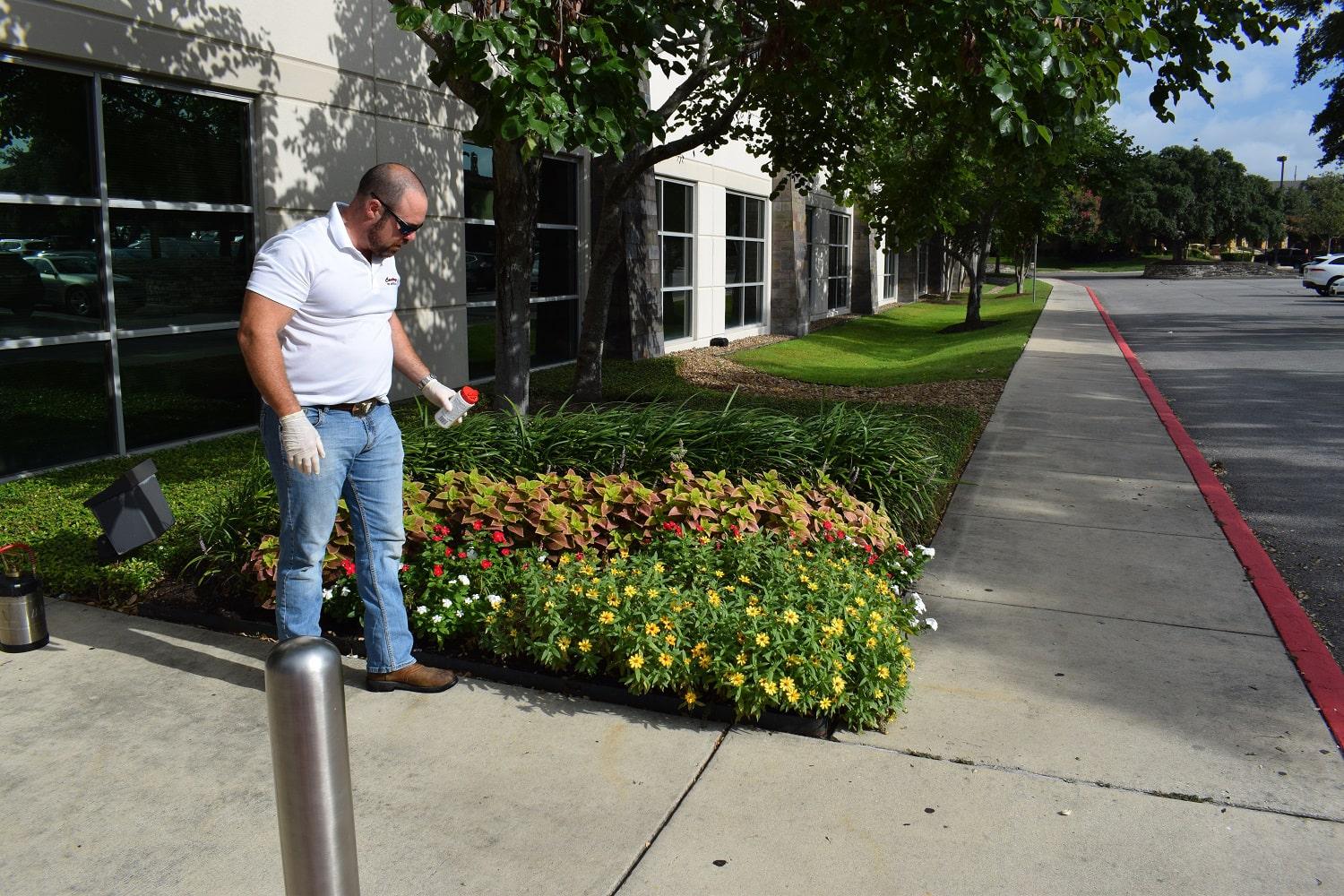
Pest control plays a pivotal role in ensuring food safety by safeguarding the integrity of the food supply chain. Foodborne illnesses caused by contamination from pests can have severe consequences on public health, economic losses for businesses, and the reputation of the food industry. This article examines the critical link between pest control and food safety, exploring the risks posed by pests, the importance of proactive pest management strategies, and the impact of such measures on ensuring the delivery of safe and wholesome food to consumers.
The Pests and Their Threats
Pests, such as rodents, insects, and birds, are ubiquitous in the environment and can infiltrate food processing plants, warehouses, and retail establishments. These invaders contaminate food products directly through physical contact or indirectly by leaving behind droppings, hair, and other biohazards. Rodents, for instance, can transmit pathogens like Salmonella and E. coli, while insects like flies can carry bacteria on their bodies from filth to food surfaces. The presence of pests in food facilities poses significant health risks, making it crucial to have a comprehensive pest control program in place.
The Impact of Pest Infestations
Foodborne illnesses have far-reaching consequences, impacting both individuals and society at large. When contaminated food reaches consumers, it can lead to outbreaks of illnesses, causing symptoms ranging from mild discomfort to severe cases that require hospitalization. These incidents not only compromise public health but also damage the reputation and financial stability of food businesses. Consumers lose trust in the affected brands and may shift their preferences, leading to significant economic losses for the food industry.
Proactive Pest Management Strategies
To mitigate the risks associated with pests and ensure food safety, a proactive approach to pest management is essential. Integrated Pest Management (IPM) is a widely adopted strategy that focuses on preventive measures, monitoring, and using a combination of control methods. IPM emphasizes non-chemical techniques, such as sanitation, exclusion, and maintenance, to minimize the use of pesticides while effectively managing pest populations.
a. Sanitation: Maintaining high standards of cleanliness is critical to reducing pest attraction and survival. Food facilities should have strict protocols for waste disposal, cleaning of food spills, and proper storage practices.
b. Exclusion: Preventing pests from entering food processing and storage areas is crucial. Implementing physical barriers like screens, air curtains, and door sweeps can help prevent pest entry.
c. Monitoring: Regular inspections and monitoring are vital to identifying pest issues early. The use of traps, bait stations, and monitoring devices helps track pest activity and guide effective control strategies.
d. Control Methods: When pest populations exceed acceptable thresholds, targeted and judicious use of pesticides may be necessary. Integrated with other control methods, pesticides should be applied by trained professionals adhering to strict safety protocols.
The Role of Technology in Pest Control
Advancements in technology have revolutionized the field of pest control. Automated monitoring systems equipped with sensors and cameras allow for real-time tracking of pest activity. These systems can quickly detect signs of infestations, enabling prompt responses to potential pest threats. Additionally, data-driven pest control strategies can help businesses identify trends, anticipate seasonal pest pressures, and optimize their pest management programs.
Regulations and Compliance
Food safety regulations play a crucial role in ensuring that businesses maintain appropriate pest control measures. Health authorities and food safety agencies worldwide have established guidelines and standards that food businesses must follow to prevent contamination. Compliance with these regulations is not only a legal obligation but also a commitment to consumer welfare and public health.
Conclusion
Pest control is an indispensable aspect of maintaining food safety throughout the food supply chain. The proactive implementation of integrated pest management strategies, supported by advancements in technology and compliance with food safety regulations, is instrumental in safeguarding consumers from foodborne illnesses. By recognizing the importance of pest control in food safety, businesses can maintain their reputation, protect public health, and contribute to a resilient and trusted food industry.

 English
 Arabic
 French
 Spanish
 Portuguese
 Deutsch
 Dutch
Dutch
 Italiano
 Russian
 Romaian
 Portuguese (Brazil)
 Greek
Greek
