


How Can First-Time Solar Owners Handle Solar Panel Maintenance in Missoula
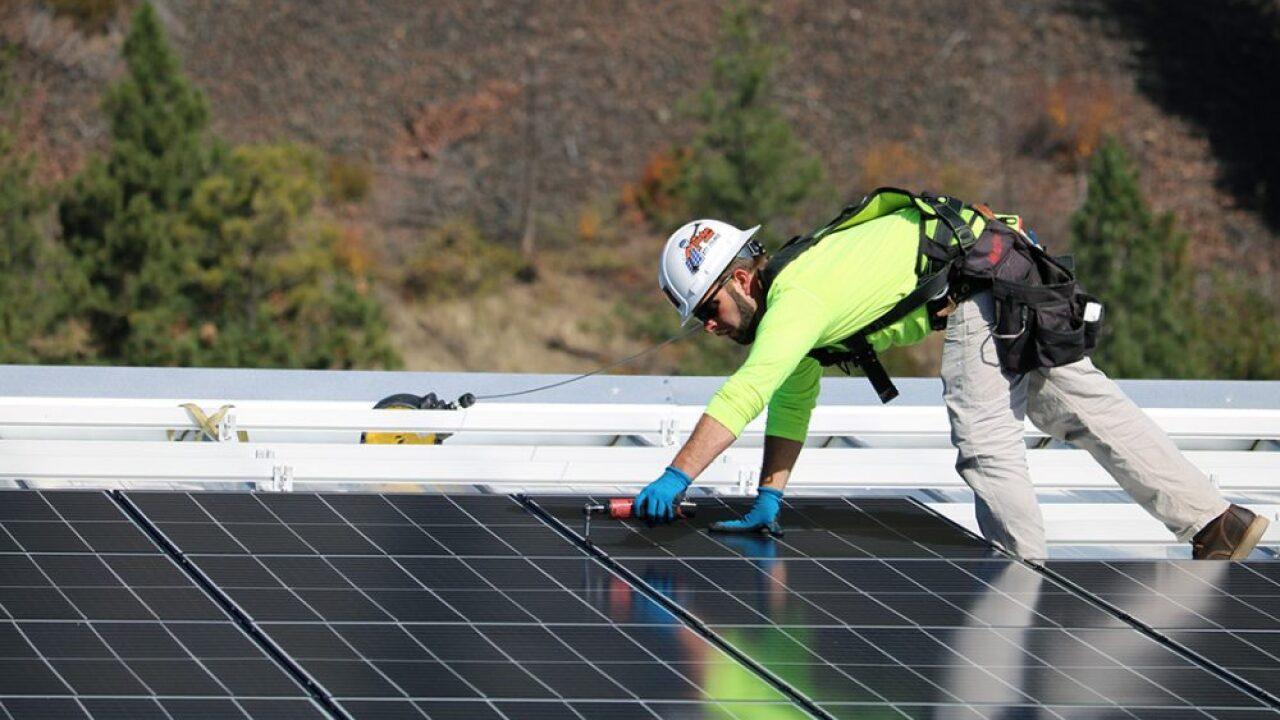
First-time owners can handle solar panel maintenance in Missoula by monitoring system performance, checking panels safely from the ground, keeping nearby shade and debris under control, and knowing when to call a qualified professional. Most solar systems need observation more than constant hands-on work.
The goal is not to clean panels on a fixed schedule or climb onto the roof after every storm. It is important to notice meaningful changes early, follow manufacturer guidance, and protect both the system and your safety.
Your Solar Panels Do Not Need Constant Attention, But They Do Need a Routine
Buying solar is exciting. You begin watching the monitoring app, checking production numbers, and wondering whether every cloudy day, dusty panel, or lower reading means something is wrong.
Usually, it does not. Solar output naturally changes with weather, daylight hours, shade, temperature, and seasonal conditions. The best first step is learning what normal performance looks like for your own system before assuming it needs cleaning or repair.
A simple solar panel maintenance routine in Missoula helps you stay informed without turning panel care into a stressful DIY project.
Start With the Information Your Installer Already Gave You
Before creating a maintenance plan, keep your solar documents in one place. This should include the installation agreement, panel, and inverter warranties, monitoring-app login, equipment manuals, and emergency contact information.
The U.S. Department of Energy recommends regularly checking operational indicators such as production meters and inverter error messages, while relying on qualified professionals for planned maintenance and repairs.
Know Your Baseline Before Looking for Problems
For the first few months, check your monitoring app regularly and note what production looks like on clear days. This gives you a useful baseline for future comparisons.
Do not compare one cloudy day with a sunny summer day. Compare similar weather conditions, daylight periods, and seasons. A meaningful drop is easier to identify when you understand your system’s normal pattern.
A Practical Solar Panel Maintenance Checklist
|
When to Check |
What to Review |
What You Can Do |
|
Monthly |
Production data and inverter alerts |
Note unexpected changes or error messages |
|
Seasonally |
Visible dust, pollen, ash, leaves, and shade |
Inspect safely from the ground |
|
After storms or heavy smoke |
Visible residue, damage, or unusual output |
Document concerns and request an assessment |
|
Before winter |
Nearby branches, roof access, and monitoring status |
Address safe, accessible maintenance needs |
|
Any time performance drops |
Weather, shade, dirt, and system alerts |
Compare similar days before booking the service |
This checklist keeps solar panel care focused on observation first. It helps you avoid unnecessary cleaning while making it easier to act when a genuine issue appears.
When Do Solar Panels Actually Need Cleaning?
Look for Conditions, Not a Random Calendar Date
Solar panels do not always need frequent washing. Rain can remove some loose dust, and many systems continue operating well without routine cleaning.
Cleaning becomes more reasonable when you see persistent ash, soot, pollen film, bird droppings, construction dust, or visible grime that does not clear after normal weather. DOE guidance recommends adapting cleaning schedules to conditions such as rain, pollen, dust, and other local sources of soiling.
For solar panel maintenance in Missoula, wildfire smoke deserves special attention. Local climate resources note that Missoula’s valley can trap wildfire smoke, which can leave fine particles in the area during smoky conditions.
Use the Right Cle aning Method.
Always follow your panel manufacturer’s instructions first. DOE operations guidance advises using plain water or mild dishwashing detergent and avoiding brushes, solvents, abrasives, and harsh detergents.
Avoid These DIY Mistakes
-
Walking directly on the panels
-
Using abrasive pads, sharp tools, or harsh chemicals
-
Trying to clean panels while the roof is wet or icy
-
Pulling apart wiring, mounts, or electrical components
-
Treating a performance drop as “dirt” without checking the monitoring data
The safest choice is to arrange professional help when the roof is steep, access is high, residue is stubborn, or you are unsure about the correct method.
How Missoula Conditions Can Affect Your Routine
Smoke, Dust, and Pollen
After extended smoke, dry weather, pollen season, or nearby construction, inspect the array from the ground. Look for a visible film or residue rather than guessing based on air-quality conditions alone.
If residue is visible and production is lower than expected on comparable clear days, professional cleaning may be appropriate. This is a more practical approach than scheduling cleaning automatically after every smoky period.
Snow and Winter Conditions
Snow cover can temporarily reduce output because sunlight cannot reach covered portions of the panels. DOE notes that snow and ice coverage affect panel production and that panel orientation can influence how snow sheds.
Do not use metal tools or aggressive scraping on rooftop panels. Monitor the system, watch conditions from the ground, and ask your installer or a qualified service provider about safe winter care for your specific array.
When Should You Call a Professional?
Book professional support when your monitoring app shows a sustained and unexplained change, the inverter displays an alert, panels are visibly damaged, or there is soot or buildup you cannot safely assess.
Professional help is also the right choice when trees create new shade, roof access feels unsafe, mounting hardware appears loose, or you notice exposed wiring. First-time owners should not feel pressure to diagnose electrical or roof-related concerns alone.
A qualified provider can help determine whether the issue is normal weather variation, a cleaning need, shading, equipment performance, or something that requires repair.
Final Thoughts
Solar panel maintenance in Missoula is mostly about consistent observation, not constant cleaning. Keep your system documents available, review production data, inspect visible conditions from the ground, and respond to meaningful changes instead of reacting to every small fluctuation.
Good solar panel care protects your investment by combining simple homeowner checks with professional support when safety, access, electrical equipment, or stubborn buildup is involved. That balance helps first-time solar owners feel confident without taking unnecessary risks.
About the Author
The author is an exterior property-care professional with practical knowledge of solar panel cleaning, glass care, seasonal maintenance, and safer service planning. Their work helps property owners understand when routine observation is enough and when qualified support is the better next step.
Frequently Asked Questions
Do solar panels need regular maintenance?
Most systems need little hands-on work, but owners should monitor output and follow the installer’s maintenance schedule. Electrical checks and repairs should be handled by a qualified professional.
How often should solar panels be cleaned in Missoula?
There is no one fixed schedule; clean when visible dust, ash, pollen, or debris remains, and output is lower on comparable sunny days. Rain can rinse many sloped panels, but not all buildup.
Can wildfire smoke reduce solar panel output?
Yes. Smoke reduces available sunlight, while ash and particles can settle on panels and disrupt production; DOE documented production drops at western U.S. sites during wildfire smoke events.
Should I clean solar panels after wildfire smoke?
Check for visible ash after the smoke clears and arrange safe cleaning when residue remains. DOE advises avoiding high-pressure hoses and unsuitable window-cleaning products on PV modules.
Can I clean solar panels myself?
Rooftop cleaning can create fall, equipment-damage, and electrical risks, so professional cleaning is safer for difficult-to-reach arrays. Follow your panel manufacturer’s instructions before attempting any cleaning.
What should I do if my solar production suddenly drops?
Compare output on similar sunny days, check the monitoring app and inverter for alerts, then contact your installer if the drop continues. Weather, shade, dirt, and equipment faults can all affect production.

 English
 Arabic
 French
 Spanish
 Portuguese
 Deutsch
 Turkish
 Dutch
Dutch
 Russian
 Romaian
 Portuguese (Brazil)
 Greek
Greek
