


Global Developmental Delay Therapy vs Traditional Developmental Support: What’s the Difference?
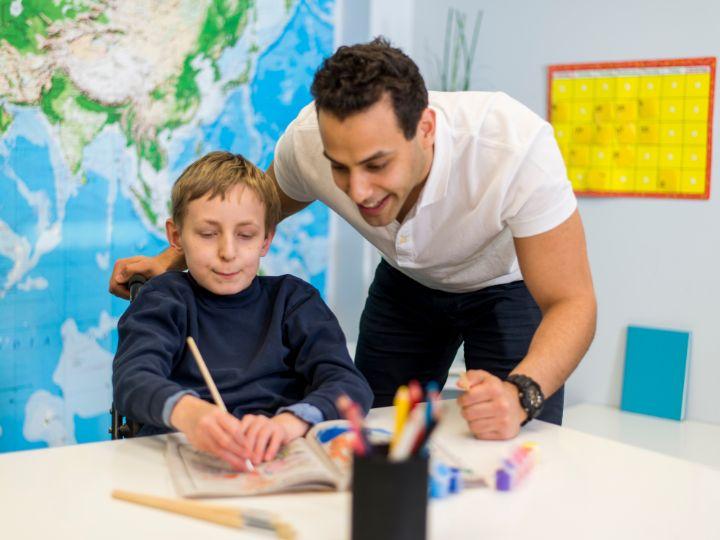
When a child is not reaching expected developmental milestones, families often begin looking for the most effective support. Two approaches that are commonly discussed are global developmental delay therapy and traditional developmental support. While both aim to help children build important skills, they differ in their goals, structure, and level of personalisation. Understanding these differences can help parents make informed decisions based on their child's unique strengths and challenges. Early support can improve confidence, encourage learning, and create better opportunities for long-term development.
Understanding Global Developmental Delay
Global developmental delay refers to a condition where a child experiences noticeable delays across multiple areas of development. These areas may include communication, movement, learning, social interaction, and daily living skills.
Since every child develops differently, support should focus on their individual needs rather than following a standard program. This is where specialised care becomes especially valuable.
What Is Global Developmental Delay Therapy?
Global developmental delay therapy is a structured and personalised approach designed to address several developmental areas at the same time. Instead of focusing on only one challenge, professionals assess the child's overall development and create a plan that supports balanced progress.
Support may include activities that improve:
-
Communication and language skills
-
Fine and gross motor coordination
-
Social interaction
-
Cognitive development
-
Everyday independence
Many families also explore resources from trusted organisations that provide evidence-based information about child development and early intervention, helping them better understand available support options.
What Is Traditional Developmental Support?
Traditional developmental support generally focuses on helping children through routine educational activities, family guidance, and standard developmental programs. These services often benefit children with mild developmental differences or those who simply need additional encouragement.
Examples include:
-
Play-based learning
-
School readiness programs
-
Parent education
-
Community support activities
-
General developmental monitoring
While these services are valuable, they may not always provide the level of individual attention required when delays affect multiple developmental areas.
Main Differences Between Both Approaches
Although both approaches aim to improve a child's development, they differ in several important ways.
Personalised Assessment
Specialised therapy begins with a detailed assessment of the child's strengths and areas requiring support. Professionals develop an individual plan that evolves as the child progresses.
Traditional developmental support often follows broader educational guidelines that may not be tailored to every child's specific developmental profile.
Multiple Areas of Development
Children experiencing delays across several developmental domains often require coordinated support.
Specialised programs can work on communication, movement, learning, behaviour, and independence together rather than addressing each challenge separately.
Traditional support may concentrate on one skill at a time without integrating every developmental need.
Regular Progress Monitoring
One major advantage of specialised support is ongoing evaluation. Professionals regularly review progress and adjust strategies based on the child's development.
Benefits of Early Individualised Support
Children often respond well when intervention is introduced early. Personalised programs allow professionals to build on existing strengths while addressing areas where extra assistance is needed.
Some potential benefits include:
-
Better communication skills
-
Improved confidence
-
Increased independence
-
Stronger social participation
-
Greater readiness for learning
Early intervention also provides families with practical strategies they can continue using during everyday routines at home.
Choosing the Right Support for Your Child
Every child is unique, so there is no single solution that suits every family. Before choosing any developmental program, consider several important factors.
Individual Needs
Children with delays affecting several developmental areas may benefit from a comprehensive program that looks beyond individual skills.
Family Participation
Parents and carers play an essential role in supporting progress. Programs that involve families often create greater consistency between professional sessions and home activities.
Qualified Professionals
Experienced professionals can identify changing developmental needs and adjust support as a child grows.
Flexible Programs
Development is not always predictable. Flexible programs allow goals and activities to change alongside the child's progress.
Why Early Guidance Makes a Difference
Waiting to see whether a child will naturally catch up can sometimes delay valuable opportunities for learning. Seeking professional guidance early allows families to better understand their child's developmental profile and access suitable support sooner.
Many families researching global developmental delay in Melbourne also compare different service models before making a decision. Taking time to understand available options helps parents choose programs that align with their child's individual goals and family circumstances.
Reliable organisations that specialise in child development can also provide educational resources, practical advice, and evidence-based information for families seeking additional guidance.
Summary
Understanding the difference between traditional developmental support and global developmental delay therapy helps families choose an approach that matches their child's unique needs. While traditional programs offer valuable general support, personalised intervention focuses on multiple developmental areas through structured assessment, regular progress reviews, and family involvement. For many children, this comprehensive approach provides opportunities to strengthen communication, movement, learning, and everyday independence. Families exploring global developmental delay in Melbourne can benefit from comparing available services, asking questions, and seeking guidance from experienced professionals. Choosing the right support early can make everyday learning more meaningful while building confidence for the future. Whether parents are researching global developmental delay therapy or looking into global developmental delay in Melbourne, understanding the available options is an important first step towards helping every child reach their full potential.

 English
 Arabic
 French
 Spanish
 Portuguese
 Deutsch
 Turkish
 Dutch
Dutch
 Italiano
 Russian
 Romaian
 Greek
Greek
