


Hair Restoration Raleigh: Your Complete Guide to Regaining Healthy, Natural-Looking Hair
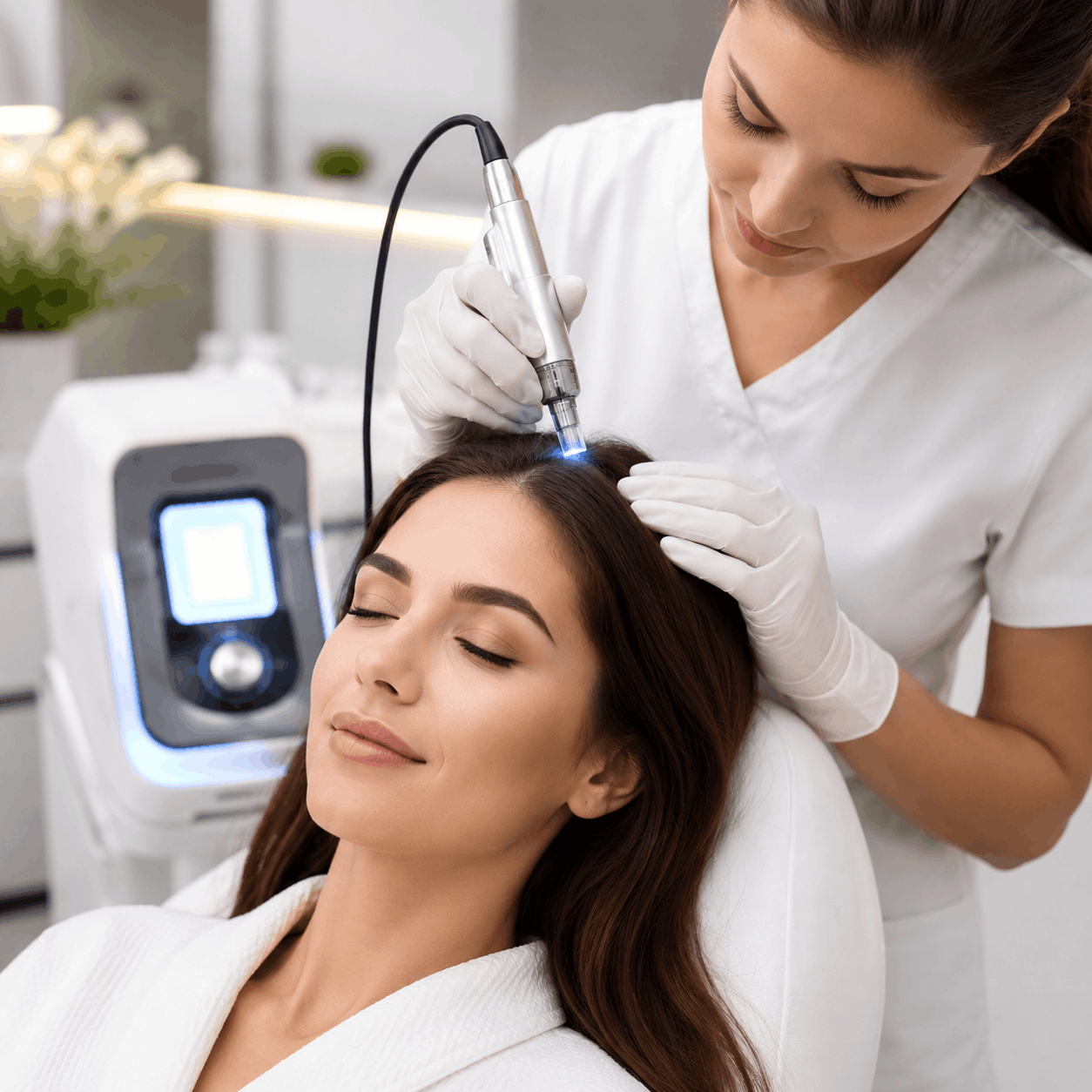
Hair loss affects millions of people every year, often impacting confidence and quality of life. If you're researching hair restoration Raleigh, understanding the underlying causes and the latest treatment options is the first step toward making an informed decision. Thanks to advancements in regenerative aesthetics and scalp therapies, many individuals can now address thinning hair without undergoing invasive surgery. In a growing city like Raleigh, where wellness and personal care are increasingly valued, professional hair restoration solutions are helping residents achieve healthier, fuller-looking hair through customized treatment plans.
Why Hair Loss Happens
Hair loss is rarely caused by a single factor. Instead, it typically results from a combination of genetics, hormones, age, lifestyle, and environmental influences. While hereditary hair loss remains the most common reason for thinning hair, other conditions can accelerate the process.
Common contributing factors include:
- Family history of pattern baldness
- Hormonal changes
- Chronic stress
- Nutritional deficiencies
- Certain medications
- Autoimmune disorders
- Scalp inflammation
- Aging
According to the American Academy of Dermatology (AAD), approximately 80 million Americans experience hereditary hair loss, making it one of the most common dermatological concerns in the United States. Studies also indicate that beginning treatment during the early stages of hair thinning significantly improves the likelihood of preserving active follicles and slowing progression.
Understanding the Hair Growth Cycle
Healthy hair grows through a continuous cycle consisting of three phases.
Anagen (Growth Phase)
This active stage lasts between two and seven years, during which hair grows steadily from healthy follicles.
Catagen (Transition Phase)
A short phase lasting only a few weeks where the follicle prepares to enter its resting period.
Telogen (Resting Phase)
Hair naturally sheds during this phase before a new strand begins growing from the same follicle.
When this cycle becomes disrupted, hair spends less time growing and more time shedding, leading to noticeable thinning over time.
Early Signs That Shouldn't Be Ignored
Hair loss often progresses gradually, making early detection important.
Some of the first signs include:
- Increased shedding while washing or brushing
- A widening hair part
- Reduced hair volume
- Receding hairline
- Thinning around the crown
- More visible scalp
- Slower regrowth after shedding
Seeking professional guidance early can improve treatment outcomes because healthy follicles respond better before permanent miniaturization occurs.
Modern Hair Restoration Solutions
Today's non-surgical technologies focus on stimulating existing follicles rather than masking hair loss.
Platelet-Rich Plasma (PRP)
PRP therapy uses concentrated platelets obtained from the patient's own blood. These platelets contain natural growth factors that may support healthier follicle function and improve scalp vitality.
Microneedling
Microneedling creates controlled microchannels within the scalp, encouraging collagen production and improving the absorption of topical therapies designed to support hair growth.
Low-Level Laser Therapy
Low-level laser therapy uses specific wavelengths of light to stimulate cellular activity within hair follicles. Research suggests it may help improve hair density in appropriate candidates when performed consistently.
Personalized Scalp Treatments
Maintaining scalp health is essential for optimal follicle performance. Professional scalp care focuses on improving circulation, reducing buildup, balancing the scalp environment, and supporting healthier hair growth.
Why Scalp Health Matters
Healthy hair begins with a healthy scalp. Inflammation, excessive oil production, product buildup, and poor circulation may interfere with normal follicle function.
A comprehensive scalp care routine may include:
- Gentle cleansing products
- Hydration
- Nutrient-rich nutrition
- Stress management
- Routine scalp evaluations
- Protection from excessive sun exposure
These habits help create an environment where follicles can function more effectively.
Research Supporting Hair Restoration
Growing public awareness and technological innovation continue to increase demand for professional hair restoration.
According to the International Society of Hair Restoration Surgery (ISHRS):
- More than 703,000 hair restoration procedures are performed worldwide annually.
- Non-surgical hair restoration continues to experience significant year-over-year growth.
- Women now account for an increasing percentage of patients seeking treatment.
- Patients increasingly prefer minimally invasive therapies with little downtime and natural-looking outcomes.
These trends reflect growing confidence in evidence-based approaches that focus on long-term scalp health rather than temporary cosmetic solutions.
Lifestyle Habits That Support Healthier Hair
Clinical treatments work best when combined with healthy everyday habits.
Experts commonly recommend:
- Consuming adequate protein
- Maintaining healthy iron and vitamin D levels
- Drinking sufficient water
- Exercising regularly
- Getting quality sleep
- Managing stress
- Avoiding smoking
- Limiting excessive heat styling
While lifestyle changes alone may not reverse hereditary hair loss, they help support overall scalp wellness and maximize treatment effectiveness.
Frequently Asked Questions
Who is a good candidate for hair restoration?
Most healthy adults experiencing early to moderate hair thinning may benefit from a professional evaluation. The best treatment depends on the underlying cause of hair loss.
How soon can results appear?
Hair grows gradually. Many patients notice improvements over several months, although timelines vary depending on the treatment plan and individual response.
Are non-surgical treatments safe?
When performed by qualified professionals using evidence-based protocols, modern non-surgical hair restoration treatments are generally considered safe for appropriate candidates following a comprehensive consultation.
Expert Insight
As dermatologist Dr. Wilma Bergfeld famously stated:
"Hair is an important part of identity and self-esteem."
Her observation reflects why treating hair loss goes beyond appearance—it often contributes to improved confidence and emotional well-being.
Final Thoughts
Choosing professional treatment early provides the greatest opportunity to preserve healthy follicles and improve overall hair density. Whether hair thinning is caused by genetics, aging, or lifestyle factors, a personalized approach delivers the most effective long-term outcomes. Individuals exploring non surgical hair restoration Raleigh can benefit from comprehensive scalp assessments, advanced regenerative therapies, and customized care plans tailored to their unique needs.
At Sol Aesthetics NC, patients receive individualized aesthetic solutions designed to support healthier hair growth using modern, evidence-based technologies in a welcoming clinical environment. By combining professional expertise with personalized treatment strategies, the practice helps individuals take meaningful steps toward restoring healthier, fuller-looking hair.

 English
 Arabic
 French
 Spanish
 Portuguese
 Deutsch
 Turkish
 Dutch
Dutch
 Italiano
 Russian
 Romaian
 Portuguese (Brazil)
