


Permit Design & AHJ Compliance: What Installers Must Know
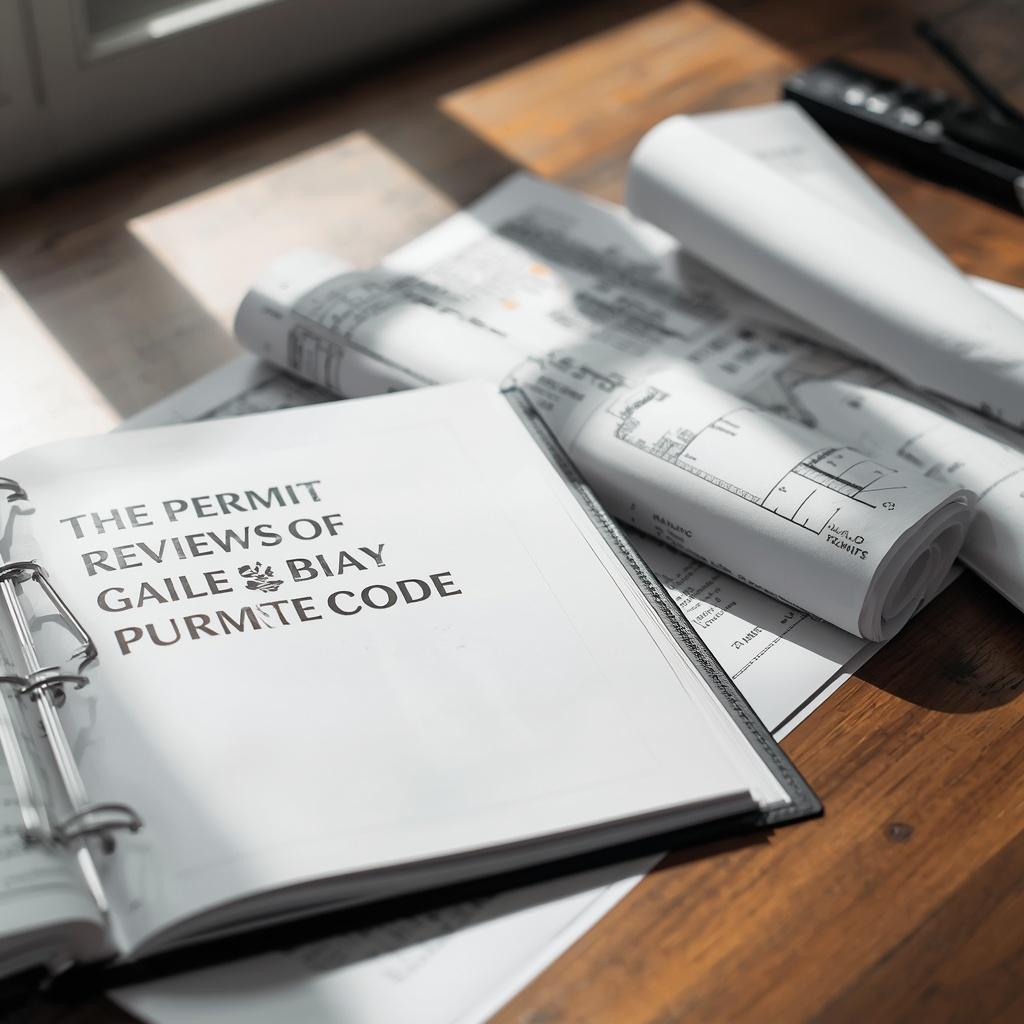
Getting Permit Design & AHJ Compliance right is often the single biggest factor separating projects that sail through review from those that stall for weeks. Local building departments each enforce their own version of the fire, structural, and electrical code, so a design that satisfies one city can easily get rejected in the next. Because of this, installers who treat permitting as an afterthought frequently pay for it later in the form of resubmissions and missed deadlines. PTOEdge works alongside installers to make sure every submission reflects the exact rules of the jurisdiction it is headed to.
Homeowners rarely think about permitting when they picture their new solar system, yet it quietly determines how quickly that system actually gets turned on. A permit reviewer is not looking for a beautiful proposal; they are checking whether the drawings meet code, whether the calculations hold up, and whether every required form is attached. When any piece is missing or inconsistent, the whole package goes back to the installer, and the clock resets. As a result, careful, jurisdiction-specific preparation is not optional if a company wants predictable turnaround times.
Curious how faster approvals feel? Book a quick permitting call
Why Local Code Differences Catch Installers Off Guard
Fire setback distances, rapid shutdown requirements, and structural load calculations can all shift from one county to the next, sometimes without much public notice. A crew that has only ever worked in a single market may not realize that a neighboring jurisdiction expects a different labeling scheme or an added structural detail. Consequently, expanding into new territory without updated local knowledge tends to produce a wave of avoidable rejections in the first few months.
How Permit Design & AHJ Compliance Shapes Project Timelines
Every delay traces back to the same root cause: a design that did not fully account for Permit Design & AHJ Compliance requirements specific to that jurisdiction. Reviewers are simply enforcing the rules their office has adopted, so the burden falls on the design team to anticipate those rules before submission. When that anticipation happens correctly, projects tend to move through review on the first pass rather than bouncing back for corrections.
Building a Plan Set That Reviewers Actually Approve
Accurate solar plan sets form the backbone of any permit submission, translating a proposed system into drawings a reviewer can quickly verify against code. Clarity matters here just as much as technical correctness, since a confusing layout can prompt questions even when the underlying design is sound. Therefore, plan sets should present mounting details, wiring paths, and equipment specifications in a way that is easy to follow at a glance.
Precision at the design stage also protects everything that happens afterward. PV plan sets that accurately reflect roof geometry, shading, and equipment placement reduce the likelihood of a mismatch once a licensed engineer reviews the structural components. In turn, fewer mismatches mean fewer rounds of revisions and a shorter path to an approved permit.
Solar Installer Growth Starts With Clean Submissions
Long-term Solar Installer Growth depends heavily on how reliably a company can move projects from proposal to permit without unnecessary friction. Firms that consistently submit accurate, jurisdiction-ready packages build a reputation with local offices that often translates into smoother reviews down the line. Meanwhile, companies still relying on generic templates keep running into the same preventable delays.
Keeping the Proposal and Permit Package Aligned
Permitting problems frequently begin earlier than most people expect, right at the proposal stage. A solar sales proposal that overstates system capacity or misrepresents equipment can create a mismatch once the design team prepares official drawings. Aligning proposal data with final design specifications from the start prevents costly rework and keeps customer expectations grounded in reality.
Once documentation reaches the jurisdiction, solar permit services san diego teams and similar regional specialists play a critical role in interpreting local amendments correctly. Because permitting rules can differ block by block in dense metro areas, having reviewers who understand those nuances often makes the difference between a same-week approval and a monthslong wait.
PE Stamps, Utility Sign-Off, and the Final Stretch
Structural and electrical components typically require review from a licensed engineer before a jurisdiction will approve the permit. Solar panel stamping verifies that the proposed system can safely handle local wind, snow, and seismic loads, and skipping careful review at this stage can introduce real safety and liability concerns. Given the legal weight of an engineering stamp, rushing this step rarely ends well for anyone involved.
After installation wraps up, the project still needs formal authorization from the utility before the system can be switched on. Efficient pto solar processing keeps that final stage from dragging on indefinitely, while dependable pto services make sure paperwork is filed correctly the first time. Thorough permission to operate services ultimately determine how quickly a completed system starts generating value for the homeowner.
Where It All Connects
A properly filed PTO application confirms that the finished installation matches what the utility originally approved, closing the loop on the entire project. A trustworthy solar stamping service ensures the engineering review does not become a scheduling bottleneck once construction is complete. Handled together, these final steps depend entirely on the accuracy established back at the design and permitting stage, which is exactly why careful, jurisdiction-aware preparation pays off across the full lifecycle of a project.
Want fewer rejections and faster sign-offs? Start the conversation here
Frequently Asked Questions
What does AHJ stand for in solar permitting?
AHJ stands for Authority Having Jurisdiction, the local office responsible for reviewing and approving permit applications.
Why do permit requirements change from city to city?
Each jurisdiction adopts its own amendments to fire, structural, and electrical codes, leading to different requirements across regions.
Is a PE stamp required for every solar installation?
Most jurisdictions require engineering review for structural and electrical elements, though exact requirements depend on local code.
How does an inaccurate proposal affect the permitting process?
A proposal that does not match final design specifications can trigger mismatches that delay permit approval and require rework.
What happens after a solar system passes inspection?
The utility typically reviews final documentation before granting authorization to operate, allowing the system to be switched on.

 English
 Arabic
 French
 Spanish
 Deutsch
 Turkish
 Dutch
Dutch
 Italiano
 Russian
 Romaian
 Portuguese (Brazil)
 Greek
Greek
