


Buy Viscose Fabric Wholesale: A Complete Guide for Businesses
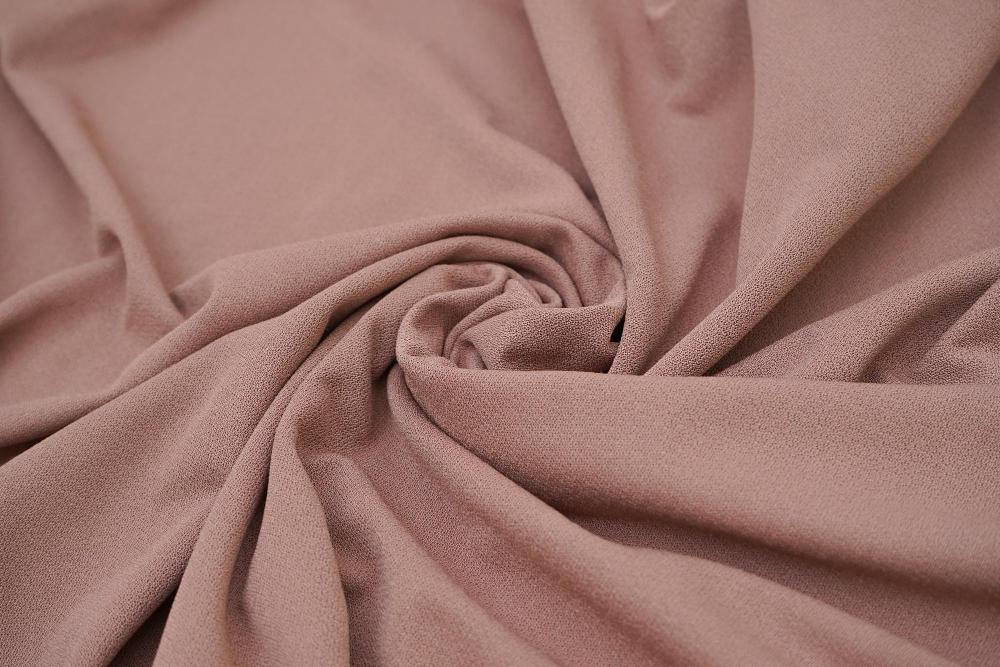
Viscose fabric is one of the most sought-after materials in the textile industry—and for good reason. Soft, breathable, and affordable, it suits everything from fashion garments to home textiles. If you're a business looking to buy viscose fabric wholesale, this guide covers everything you need to make a smart, cost-effective purchase.
What Is Viscose Fabric?
Viscose (also called rayon) is a semi-synthetic fiber made from wood pulp—typically sourced from bamboo, beech, or pine trees. It's processed chemically to create a soft, lightweight fabric that mimics the feel of natural fibers like cotton and silk, but at a much lower price point.
First developed in the late 19th century as a silk alternative, viscose has grown into one of the most widely used fabrics in global textile manufacturing. Its versatility and low cost make it a top pick for clothing brands, interior designers, and product manufacturers alike.
Why Businesses Choose Viscose Fabric
Viscose checks a lot of boxes for businesses. Here's why it remains a staple:
- Cost-effective: Viscose fabric is significantly cheaper than silk or high-end cotton, making it ideal for large-scale production.
- Versatile: It works across product categories—dresses, linings, scarves, curtains, and more.
- Consumer-friendly: Shoppers love viscose for its comfort, drape, and breathability.
- Dyeable: Viscose absorbs dye exceptionally well, allowing for vibrant, consistent color across bulk orders.
Some viscose variants, particularly lyocell (Tencel), also carry eco-friendly credentials, using a closed-loop production process that recycles water and solvents.
Types of Viscose Fabric Available for Wholesale
Not all viscose is the same. Here's a breakdown of the main types:
Rayon (Standard Viscose)
The most common form. Lightweight, smooth, and affordable. Used widely in clothing, linings, and lightweight home textiles.
Modal
A higher-grade viscose made from beech tree pulp. Softer and more durable than standard rayon. Popular for activewear, underwear, and bed linens.
Lyocell (Tencel)
The most sustainable option. Made using a closed-loop process with minimal chemical waste. Tencel is strong, moisture-wicking, and increasingly popular with eco-conscious brands.
Blends (Viscose-Linen, Viscose-Spandex)
Blended viscose fabrics combine the best of multiple fibers. Viscose-spandex adds stretch for activewear. Viscose-linen brings texture and breathability to summer clothing.
Key Factors to Consider When Buying Wholesale Viscose
Buying in bulk requires more than just picking a fabric. Keep these factors in mind:
Quality and Grade of Fabric
Always request fabric specifications—weight (GSM), weave type, and finish. Lower GSM fabrics are sheer and lightweight; higher GSM offers more structure and opacity.
Supplier Reputation and Reliability
Work with suppliers who have verifiable reviews, clear communication, and a track record of on-time delivery. A supplier who misses deadlines can throw off your entire production schedule.
Minimum Order Quantities (MOQ)
Wholesale suppliers typically have minimum order requirements. These can range from 50 meters to several thousand meters. Negotiate MOQs upfront, especially if you're a smaller business.
Pricing and Payment Terms
Get quotes from at least three suppliers before committing. Ask about payment terms—net 30 or net 60 payment cycles are common in B2B fabric sourcing.
Shipping and Logistics
Factor in shipping costs, import duties, and lead times when calculating your total cost per meter. International suppliers may offer lower prices but longer lead times.
Customization Options
Some suppliers offer dyeing, printing, or finishing services. If your brand requires specific colors or patterns, check whether your supplier can handle this in-house.
Where to Find Reputable Wholesale Viscose Suppliers
Online B2B Marketplaces
Platforms like Alibaba, IndiaMART, and Global Sources connect buyers with manufacturers across Asia. You can buy viscose fabric online, compare prices, and communicate directly with suppliers—all without leaving your office.
Fabriclore Pvt Ltd stands out as one of the best online and local stores for viscose fabric in India. They offer a wide range of viscose fabric online, including prints, solids, and blends, with transparent pricing and reliable delivery. Whether you're a boutique brand or a large-scale manufacturer, Fabriclore is worth checking out for wholesale needs.
Trade Shows and Exhibitions
Events like Texworld, Heimtextil, and India International Garment Fair give you direct access to manufacturers and distributors. You can feel the fabric in person, place samples requests on the spot, and build supplier relationships.
Direct from Manufacturers
Buying directly from a mill cuts out the middleman and reduces costs. It requires more vetting, but the savings on large orders can be significant.
Fabric Agents and Distributors
If you're new to wholesale sourcing, working with a fabric agent can simplify the process. Agents typically have established relationships with mills and can negotiate better prices on your behalf.
Tips for a Successful Wholesale Purchase
Request Samples First: Always get physical samples before placing a bulk order. Check color accuracy, texture, shrinkage, and how the fabric responds to washing.
Negotiate Prices: Don't accept the first quote. Most suppliers expect negotiation, especially on large orders. You may also be able to negotiate better payment terms or faster shipping in lieu of a lower price.
Understand Lead Times: Wholesale orders take time. Factor in production, quality checks, and shipping when planning your inventory. A 6–8 week lead time is standard for international orders.
Check for Certifications: Look for suppliers with Oeko-Tex Standard 100 or GOTS certification. These confirm the fabric has been tested for harmful substances and meets global safety standards—important if you're selling to health-conscious or premium markets.
How to Care for Viscose Fabric
Proper care keeps viscose looking its best and reduces customer complaints. Here's what to know:
Washing: Hand wash or use a gentle machine cycle with cold water. Hot water causes viscose to shrink and lose its shape.
Drying: Lay flat to dry. Avoid wringing or tumble drying, as viscose weakens when wet.
Ironing: Iron on a low-medium setting while slightly damp. Use a pressing cloth to avoid direct heat on the fabric surface.
Storage: Store in a cool, dry place. Avoid hanging heavy viscose garments for long periods—the weight can stretch the fabric over time.
Make Your Next Wholesale Purchase Count
Viscose fabric offers businesses a reliable mix of quality, versatility, and affordability. Whether you're scaling up a fashion line or sourcing materials for home textiles, buying viscose fabric wholesale is a smart move—provided you choose the right supplier and ask the right questions.
Start by requesting samples, comparing supplier certifications, and understanding your order requirements. If you want to buy fabric online without the hassle of international sourcing, platforms like Fabriclore Pvt Ltd offer a strong local option with a broad range of viscose fabric online.
The right wholesale partner makes all the difference. Do your research, verify your supplier, and negotiate confidently.
Frequently Asked Questions
What is the difference between viscose and rayon?
Viscose and rayon refer to the same fiber. "Rayon" is the common term used in North America, while "viscose" is more widely used in Europe and Asia. Both are made from processed wood pulp.
Is viscose fabric suitable for wholesale fashion production?
Yes. Viscose fabric is widely used in fashion production because of its low cost, soft texture, and ability to hold vibrant dyes. It works well for dresses, blouses, linings, and lightweight outerwear.
How do I find reliable viscose fabric suppliers online?
Use B2B platforms like Alibaba or IndiaMART, or buy viscose fabric online directly from established suppliers like Fabriclore Pvt Ltd. Always request samples and check for certifications before placing a bulk order.
What certifications should I look for when buying wholesale viscose?
Look for Oeko-Tex Standard 100 (confirms no harmful substances) and GOTS (Global Organic Textile Standard) if you're sourcing organic viscose. These certifications are especially important for brands targeting health-conscious or premium consumers.
What is the typical minimum order quantity (MOQ) for wholesale viscose fabric?
MOQs vary by supplier. Local distributors may accept orders from 50 meters, while international manufacturers often require 500 meters or more. Always confirm MOQs before entering negotiations.

 English
 Arabic
 French
 Spanish
 Portuguese
 Deutsch
 Dutch
Dutch
 Italiano
 Russian
 Romaian
 Portuguese (Brazil)
 Greek
Greek
