


How to Clean Oriental Wool Rugs at Home and Preserve Their Value
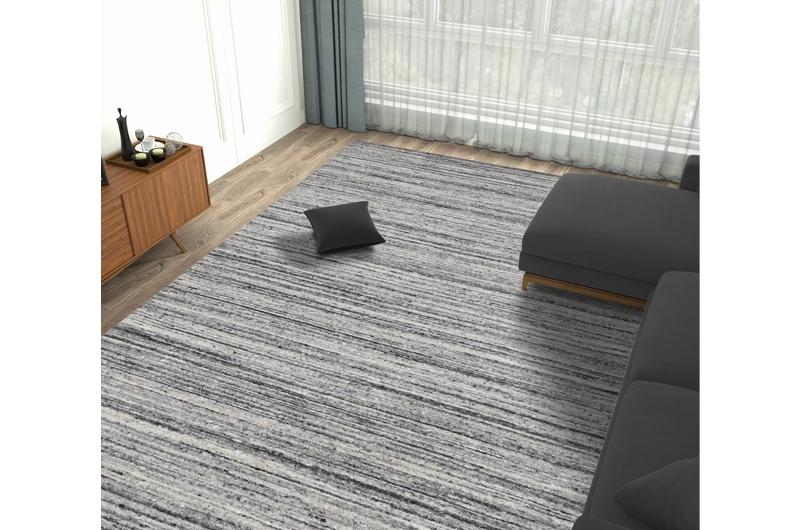
Oriental wool rugs are far more than simple floor coverings; they are exquisite masterpieces of art, history, and craftsmanship that anchor the beauty of your living space. When exploring modern home decoration design ideas, homeowners frequently discover that a genuine hand-knotted wool rug serves as the ultimate statement piece. However, because these textiles are often significant financial and sentimental investments, knowing how to clean Oriental wool rugs at home and preserve their value is vital for any collector or decorator.
Visit site : https://www.amerrugs.com/blog/how-to-clean-a-wool-rug-like-a-pro-without-damaging-it
Regular maintenance not only maintains their vibrant colors and plush textures but also ensures that their long-term market value remains completely intact. Cleaning these delicate items requires a deep respect for natural fibers, an understanding of traditional weaving techniques, and a gentle touch that avoids the harsh chemicals common in modern industrial cleaning. By mastering the art of home preservation, you can keep your textile treasures looking magnificent for generations to come.
Understanding the unique DNA of an Oriental wool rug is the first step toward successful home maintenance. Unlike mass-produced synthetic alternatives, traditional Oriental rugs are crafted from natural sheep wool dyed with organic, plant-based, or insect-derived pigments. The architectural composition of wool fibers contains microscopic scales that naturally trap dust, dirt, and dry soil deep within the foundation of the pile. While this unique structural trait helps the rug look clean on the surface even when it is carrying microscopic debris, those trapped particles act like tiny razor blades, gradually cutting away at the delicate wool fibers every time someone walks across the room. Failing to address this hidden friction can lead to premature thinning, fiber loss, and a drastic reduction in the overall worth of the piece. Therefore, implementing a safe, non-abrasive domestic cleaning routine is essential to protect your investment from irreversible physical wear.
The Pre-Wash Assessment and Safe Dry Soil Removal
Before introducing a single drop of water to your heirloom, you must carefully evaluate its structural integrity and colorfastness. Testing for dye bleeding is a critical preventive measure because vintage and antique Oriental rugs often feature organic dyes that can migrate when exposed to improper moisture or incorrect pH levels. To perform this test safely, blot a small, inconspicuous area on the back of the rug with a damp white microfiber cloth pressed firmly against the fibers for several minutes. If even a faint hint of pigment transfers onto the cloth, you must step away from wet cleaning methods entirely and instead seek out professional carpet cleaning and restoration services to handle the delicate stabilization process. Additionally, inspect the foundation for any pre-existing dry rot, unraveling side cords, or fraying fringes, as these vulnerable structural zones can easily worsen during an at-home washing session.
Once you have verified that the dyes are completely stable, you can proceed to the most critical phase of the preservation process, which involves removing the deeply embedded dry soil. Rather than relying on a heavy upright vacuum cleaner with a aggressive, spinning rotating brush that can pull, tear, and permanently fray the delicate wool pile, you should utilize a gentle suction-only vacuum attachment. An even safer, time-tested approach involves taking the rug outdoors, suspending it securely over a sturdy railing or clothesline, and gently tapping the reverse side with a traditional carpet beater. This rhythmic vibration coaxes the compacted dust, sand, and granular debris out of the warp and weft threads without subjecting the fragile fibers to damaging mechanical friction. Eliminating this dry grit before applying moisture prevents the dirt from turning into a destructive mud paste that can permanently stain the core of the yarn.
Mastering the Delicate Art of Gentle Wet Washing
When it comes to washing your textile investment, learning how to clean a wool area rug without damaging fibers requires a minimalist, low-moisture philosophy. You should never completely submerge a fine Oriental rug in water or saturate the backing entirely at home, as excessive moisture can cause the structural foundation cords to shrink, warp, or develop hidden mildew. Instead, create a specialized cleaning solution by mixing a few drops of a pH-neutral, residue-free wool shampoo into a bucket of cool water, agitating the mixture thoroughly until a thick layer of dense foam forms on the surface. Working in small, manageable sections, apply only this dry foam to the rug using a pristine, soft-bristled horsehair brush or a clean sponge, gently wiping the pile in the natural direction of the lay, which can be easily determined by sliding your hand across the surface to see which way the fibers smoothly flatten.
Homeowners frequently ask, how do you clean wool rugs naturally without relying on synthetic detergents that might strip the natural lanolin oils right out of the wool. The secret lies in utilizing the gentle, deodorizing power of pure white vinegar mixed with cool water in a balanced one-to-four ratio. This mildly acidic solution perfectly mirrors the natural pH level of wool, helping to lock the dyes in place, neutralize unpleasant pet odors, and dissolve light surface grimes without leaving behind any crunchy chemical residues. Lightly misting this natural mixture across the surface and gently wiping it away with a damp towel refreshes the pile beautifully, leaving the wool incredibly soft, resilient, and naturally lustrous while actively protecting the structural integrity of the individual fibers.
Advanced Drying Techniques and Everyday Preservation Strategies
The washing phase is only half the battle; improper drying techniques can ruin a fine wool rug just as quickly as a harsh cleaning chemical. After completing the foam wash, immediately use dry, clean white towels to blot up every bit of excess moisture, pressing down firmly to extract the water from deep within the pile. Never expose a wet Oriental rug to direct, intense sunlight or use high-heat hair dryers, as extreme heat causes the natural wool scales to become brittle and crack, while direct ultraviolet rays rapidly fade the historic dyes. Instead, elevate the rug off the floor using sawhorses or supportive blocks in a well-ventilated room, and position multiple floor fans to blow a continuous stream of cool air both above and beneath the canvas, ensuring the entire piece dries completely within twenty-four hours to prevent any dangerous mold growth.
Beyond occasional deep cleaning sessions, everyday placement and mindful environmental adjustments play a massive role in preserving the financial value of your textile art. In the realm of types of rugs and carpets for home interiors, heavy hand-knotted wool pieces stand out for their incredible durability, but they still require intelligent rotation every six months to ensure that foot traffic patterns and sun exposure are distributed evenly across the surface. Implementing a high-quality, dense felt rug pad beneath the piece is another non-negotiable step, as it absorbs the daily impact of footsteps, prevents the backing from grinding against the hard floor, and keeps the rug securely in place. Furthermore, during festive seasons when homeowners experiment with spooky Halloween outside home decorating ideas or host large indoor gatherings, it is wise to temporarily shield your delicate heirlooms from high-traffic mud and accidental spills by placing protective runners over them or moving them to quieter rooms.
Navigating the Dynamic Global Rug Market
Understanding where your textile fits within the broader landscape of different types of rugs for every room can help you make smarter decisions regarding its care and long-term placement. For example, individuals often contrast substantial knotted wool investments with casual alternatives, frequently asking what is a flat weave rug and its benefits when looking to decorate casual dining spaces or sunrooms. While lightweight flat weaves are prized for their reversible nature, lack of a pile, and easy flexibility, they do not hold the same appreciating asset value as an authentic, intricately knotted Oriental wool rug. Knowing the distinct structural differences between these styles allows you to tailor your cleaning intensity appropriately, applying ultra-gentle care to the high-value pieces while utilizing slightly more straightforward techniques for everyday accent rugs.
When strategizing placement inside your home, choosing the best rugs for high-traffic living room areas requires balancing aesthetic luxury with rugged, practical durability. Authentic wool Oriental rugs are naturally resilient due to the built-in elasticity of the wool fiber and its protective coat of lanolin, making them exceptionally well-suited for bustling living spaces, provided they are maintained with care. However, if you are looking to balance your home decor budget by mixing high-end investment pieces with ultra-affordable wall-to-wall carpeting in secondary bedrooms, you might find yourself searching for the cheapest place to buy carpet near me with installation or wondering where is the cheapest place to buy carpet for your home. By saving money on these utility installations in private rooms, you can free up resources to acquire and professionally maintain stunning, investment-grade Oriental showpieces for your primary gathering areas.
When to Transition from Home Care to Professional Specialists
While routine dust removal, immediate spot cleaning, and gentle foam refreshing are perfectly safe to execute in your own home, certain scenarios demand the touch of an elite specialist. If your precious Oriental rug suffers from deep pet urine saturation, extensive moth damage, severe color bleeding, or structural holes, amateur intervention can accidentally transform a fixable blemish into a total financial loss. In these critical moments, searching for the best carpet cleaning and restoration near me ensures that your textile art is placed into the hands of certified conservators who possess specialized wash pits, advanced fringe re-weaving tools, and historic dye-matching expertise. Spending money on professional conservation should not be viewed as a simple cleaning expense, but rather as an essential investment that actively maintains, and sometimes even restores, the historic and monetary value of a prized family heirloom.
Looking forward, the global appreciation for authentic, sustainably produced, hand-woven textiles is growing rapidly, making the preservation of these pieces more relevant than ever. In a world dominated by disposable synthetic decor, a well-preserved, hand-knotted Oriental wool rug remains a timeless, eco-friendly asset that tells a rich story through its intricate geometry and beautiful color variations. By dedicating time to proper dry soil extraction, utilizing natural pH-balanced cleaning methods, ensuring rapid cool drying, and knowing exactly when to call in specialized professional restorers, you protect both the physical beauty and the financial equity of your rug. With proper care, your Oriental wool rug will continue to serve as the breathtaking centerpiece of your home, retaining its plush comfort, historical magic, and investment value for many decades to come.
Frequently Asked Questions
How often should I perform a deep wet clean on my Oriental wool rug at home?
A deep wet clean should only be performed every three to five years, depending entirely on the volume of foot traffic the area receives and the environment of the room. Over-washing a natural wool rug can prematurely strip away its inherent lanolin oils, which are crucial for keeping the fibers resilient, stain-resistant, and soft. For daily and weekly maintenance, stick to gentle suction-only vacuuming and immediate spot treatment of accidental spills. You should only introduce moisture or natural cleaning foams when the wool pile begins to look noticeably dull, feels somewhat stiff to the touch, or releases a cloud of fine dust when a corner of the rug is firmly tapped.
Can I use a modern steam cleaner or hot water extraction machine on an Oriental wool rug?
You should never use a commercial steam cleaner or a hot water extraction machine on an authentic Oriental wool rug. The extreme heat generated by steam cleaners can cause the natural wool fibers to shrink dramatically, warp the structural foundation of the rug, and permanently bake in any pre-existing stains. Furthermore, excessive hot water easily destabilizes traditional vegetable dyes, leading to severe color bleeding that can permanently ruin the intricate patterns of the piece. Stick strictly to cool water, specialized wool-safe dry foams, and manual blotting techniques to protect the delicate character of the textile.
What should I do immediately if a glass of red wine or coffee spills on my wool rug?
When a spill occurs, immediately blot the liquid using a clean, dry white microfiber towel or paper towel, working carefully from the outer edges of the spill inward toward the center to prevent the stain from spreading across the fibers. Never scrub or rub the area aggressively, as scrubbing pushes the liquid deeper into the core of the yarn and distorts the natural texture of the pile. Once the excess liquid is fully absorbed, mist the spot lightly with a simple solution of cool water and a splash of white vinegar, then continue blotting firmly with a fresh dry towel until the mark is completely gone.
How do I safely identify and treat a mild moth infestation in my wool rug at home?
Moth infestations usually manifest as tiny, sand-like larvae casings hidden on the dark underside of the rug or missing patches of wool pile in quiet, undisturbed areas beneath low furniture. To address this safely at home, vacuum both the front and back of the entire rug thoroughly using a brushless suction attachment to remove all active larvae and eggs. Afterward, mist the affected areas gently with a specialized, non-staining, wool-safe moth repellent, or expose the reverse side of the rug to indirect sunlight for a few hours, as moth larvae are extremely sensitive to fresh air and light. For severe infestations, professional heat treating or freezing services are required.
Is it safe to use baking soda to deodorize a vintage Oriental wool rug?
Using baking soda to deodorize a fine Oriental wool rug is generally not recommended by textile preservation experts. The ultra-fine crystalline particles of baking soda are highly alkaline, which can disrupt the natural acidic pH balance of wool fibers and potentially cause certain historic organic dyes to fade or shift colors over time. Furthermore, these tiny, sharp particles are incredibly difficult to fully extract with a standard vacuum cleaner, meaning they remain trapped deep within the foundation where they act as an abrasive grit that slowly degrades the warp and weft threads over time. A safer alternative is a light misting of a highly diluted white vinegar and water solution, which neutralizes odors naturally and evaporates completely without leaving any harmful structural residue behind.

 English
 Arabic
 French
 Spanish
 Portuguese
 Deutsch
 Turkish
 Dutch
Dutch
 Italiano
 Romaian
 Portuguese (Brazil)
 Greek
Greek
