


Colorectal Cancer Treatment in Dubai for Patients Explained
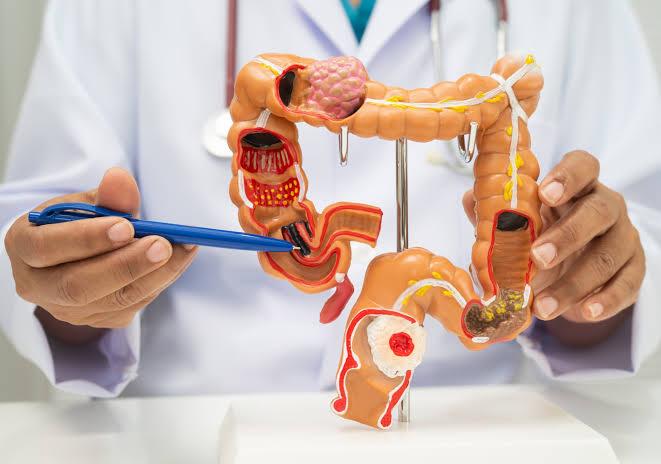
Hearing the words colorectal cancer can be frightening for anyone. It can bring many questions, worries, and concerns about the future. The good news is that modern medicine has made great progress in diagnosing and treating this condition.
Today, colorectal cancer treatment in dubai offers patients access to advanced diagnostic tools, experienced specialists, and personalized treatment plans. Early diagnosis and timely treatment can greatly improve outcomes and help many people return to a healthy and active life.
This guide explains colorectal cancer, its symptoms, causes, diagnosis, treatment options, recovery, and what patients can expect throughout their treatment journey.
What Is Colorectal Cancer?
Colorectal cancer is a type of cancer that starts in the colon or rectum, which are parts of the large intestine. It usually begins as small growths called polyps. While many polyps are harmless, some can slowly develop into cancer over time if they are not removed.
Because this process often happens slowly, regular screening plays an important role in finding problems before they become serious.
Understanding the Colon and Rectum
The digestive system helps your body absorb nutrients and remove waste.
The large intestine has two main parts:
- The colon, which absorbs water and forms stool
- The rectum, which stores stool before it leaves the body
Cancer can develop in either area, and both are treated in similar ways.
Who Can Get Colorectal Cancer?
Although colorectal cancer is more common in older adults, it can affect younger people as well.
Some people have a higher risk because of certain health conditions or lifestyle factors.
Risk factors include:
- Being over the age of 45
- Family history of colorectal cancer
- Previous colon polyps
- Inflammatory bowel diseases
- Obesity
- Smoking
- Heavy alcohol use
- Physical inactivity
- Eating large amounts of processed or red meat
- Type 2 diabetes
Having one or more risk factors does not mean someone will definitely develop cancer, but it does increase the chance.
Common Symptoms of Colorectal Cancer
Symptoms may be mild during the early stages, which is why regular screening is important.
Possible symptoms include:
- Blood in the stool
- Changes in bowel habits
- Diarrhea or constipation lasting several weeks
- Feeling that the bowel does not empty completely
- Narrow stools
- Unexplained weight loss
- Weakness or tiredness
- Abdominal pain or cramps
- Bloating
- Loss of appetite
Many of these symptoms may also be caused by other digestive conditions. However, they should always be checked by a doctor.
Why Early Diagnosis Matters
Finding colorectal cancer early often makes treatment simpler and more effective.
Benefits of early diagnosis include:
- More treatment options
- Less extensive surgery
- Better recovery
- Lower chance of cancer spreading
- Higher survival rates
Routine screening is especially important for people with a family history or other risk factors.
How Colorectal Cancer Is Diagnosed
Doctors use several tests to confirm the diagnosis and determine the stage of cancer.
Common diagnostic methods include:
Medical History and Physical Examination
The doctor asks about symptoms, family history, and overall health.
Blood Tests
Blood tests may help detect anemia or measure certain tumor markers.
Colonoscopy
A colonoscopy is one of the most important tests.
During the procedure:
- A flexible tube with a camera is inserted into the colon.
- The doctor checks for abnormal growths.
- Polyps may be removed immediately.
- Tissue samples can be collected for biopsy.
Biopsy
A biopsy confirms whether cancer cells are present.
This is the only way to make a definite diagnosis.
CT Scan
A CT scan helps determine whether the cancer has spread to nearby organs.
MRI Scan
MRI is particularly useful for rectal cancer.
PET Scan
This scan may be recommended when doctors need additional information about cancer spread.
Understanding Cancer Staging
After diagnosis, doctors determine the stage of the cancer.
Stages include:
Stage 0
Cancer is only found in the inner lining.
Stage 1
Cancer has grown into deeper layers but has not spread.
Stage 2
Cancer has spread through the bowel wall.
Stage 3
Cancer has spread to nearby lymph nodes.
Stage 4
Cancer has spread to distant organs such as the liver or lungs.
The stage helps doctors choose the most suitable treatment.
Colorectal Cancer Treatment Options
Every patient receives a treatment plan based on:
- Cancer stage
- Tumor location
- Overall health
- Age
- Personal preferences
There is no single treatment that works for everyone.
Surgery
Surgery is the most common treatment for colorectal cancer.
The goal is to remove the cancer while preserving as much healthy tissue as possible.
Types of surgery include:
Polypectomy
Small polyps are removed during colonoscopy.
Local Excision
Very early cancers may be removed without major surgery.
Partial Colectomy
The surgeon removes:
- The cancer
- Nearby healthy tissue
- Nearby lymph nodes
The remaining healthy bowel is then reconnected.
Colostomy
Some patients may temporarily or permanently need a colostomy.
This creates an opening that allows waste to leave the body into a collection bag.
Many temporary colostomies can later be reversed.
Minimally Invasive Surgery
Modern surgical techniques may include:
- Laparoscopic surgery
- Robotic-assisted surgery
Benefits may include:
- Smaller incisions
- Less pain
- Faster recovery
- Shorter hospital stay
- Lower risk of complications
Not every patient is suitable for these procedures.
Chemotherapy
Chemotherapy uses medicines to destroy cancer cells.
Doctors may recommend chemotherapy:
- Before surgery
- After surgery
- For advanced cancer
- To reduce recurrence risk
Chemotherapy is usually given in cycles with rest periods between treatments.
Radiation Therapy
Radiation therapy uses high-energy beams to destroy cancer cells.
It is more commonly used for rectal cancer.
Radiation may be given:
- Before surgery
- After surgery
- Along with chemotherapy
- To relieve symptoms in advanced disease
Targeted Therapy
Targeted therapy focuses on specific proteins that help cancer grow.
Unlike chemotherapy, these medicines attack certain cancer cells while reducing damage to healthy cells.
Doctors determine eligibility through laboratory testing.
Immunotherapy
Immunotherapy helps the body's immune system recognize and attack cancer cells.
Only certain patients benefit from immunotherapy, depending on the genetic characteristics of the tumor.
Personalized Treatment Plans
Every cancer is different.
Doctors create individualized treatment plans based on:
- Tumor genetics
- Stage
- Medical history
- Response to treatment
- Patient goals
Personalized care helps improve treatment effectiveness while reducing unnecessary side effects.
Possible Side Effects of Treatment
Side effects vary depending on the treatment.
Some patients experience only mild symptoms, while others may need additional support.
Possible side effects include:
- Fatigue
- Nausea
- Vomiting
- Hair thinning
- Diarrhea
- Constipation
- Reduced appetite
- Weight changes
- Skin irritation
- Increased infection risk
Doctors provide medications and supportive care to manage these symptoms.
Nutrition During Treatment
Healthy eating helps maintain strength and supports recovery.
Patients are often advised to:
- Eat balanced meals
- Drink enough water
- Include lean proteins
- Eat fruits and vegetables
- Choose whole grains
- Limit processed foods
- Avoid excessive alcohol
Some patients may need guidance from a dietitian during treatment.
Emotional Support Is Important
Cancer affects emotional health as well as physical health.
Many patients experience:
- Anxiety
- Fear
- Stress
- Depression
- Uncertainty
Support may come from:
- Family
- Friends
- Counselors
- Cancer support groups
- Mental health professionals
Emotional care is an important part of recovery.
Recovery After Treatment
Recovery time depends on:
- Type of treatment
- Overall health
- Cancer stage
- Individual healing
Patients are encouraged to:
- Follow medical advice
- Attend follow-up appointments
- Stay physically active when possible
- Eat healthy foods
- Take prescribed medicines
- Report new symptoms promptly
Recovery continues even after treatment ends.
Follow-Up Care
Regular follow-up helps doctors monitor recovery and detect any recurrence early.
Follow-up may include:
- Physical examinations
- Blood tests
- Colonoscopy
- CT scans
- Imaging studies when necessary
The frequency of visits depends on each patient's condition.
Can Colorectal Cancer Be Prevented?
Although not every case can be prevented, healthy lifestyle choices can reduce risk.
Helpful habits include:
- Maintaining a healthy weight
- Exercising regularly
- Eating more fruits and vegetables
- Limiting processed meats
- Avoiding smoking
- Reducing alcohol intake
- Getting recommended screenings
Screening remains one of the most effective ways to prevent colorectal cancer by finding and removing precancerous polyps.
When Should You See a Doctor?
You should seek medical advice if you experience:
- Blood in your stool
- Ongoing constipation or diarrhea
- Persistent abdominal pain
- Unexplained weight loss
- Constant fatigue
- Changes in bowel habits lasting several weeks
Prompt medical evaluation can lead to earlier diagnosis and more successful treatment.
Frequently Asked Questions
Is colorectal cancer curable?
Many cases can be successfully treated, especially when diagnosed early. The outlook depends on the stage of the disease and the patient's overall health.
Is surgery always necessary?
Not always. Treatment depends on the stage and location of the cancer. Some patients may receive chemotherapy, radiation therapy, targeted therapy, immunotherapy, or a combination of treatments.
How long does treatment take?
Treatment duration varies. Some patients complete treatment in a few months, while others may require longer-term care and follow-up.
Can colorectal cancer come back?
Yes. Regular follow-up appointments help detect recurrence early if it happens.
Is screening important even without symptoms?
Yes. Screening can detect precancerous polyps or early-stage cancer before symptoms appear, making treatment more effective.
Conclusion
Receiving a diagnosis of colorectal cancer can feel overwhelming, but advances in medical care have greatly improved treatment options and patient outcomes. From early detection and accurate diagnosis to surgery, chemotherapy, radiation therapy, targeted therapy, and immunotherapy, today's approaches are designed to provide effective and personalized care.
If you are considering colorectal cancer treatment in Dubai, consulting an experienced gastroenterology specialist can help you understand your condition and choose the most appropriate treatment plan. Dr. Neil Philip Galletly provides comprehensive evaluation, evidence-based care, and ongoing support to help patients navigate every stage of their treatment journey with confidence.

 English
 Arabic
 French
 Portuguese
 Deutsch
 Turkish
 Dutch
Dutch
 Italiano
 Russian
 Romaian
 Portuguese (Brazil)
 Greek
Greek
