


What to Know About Endometriosis Treatment in Dubai Today
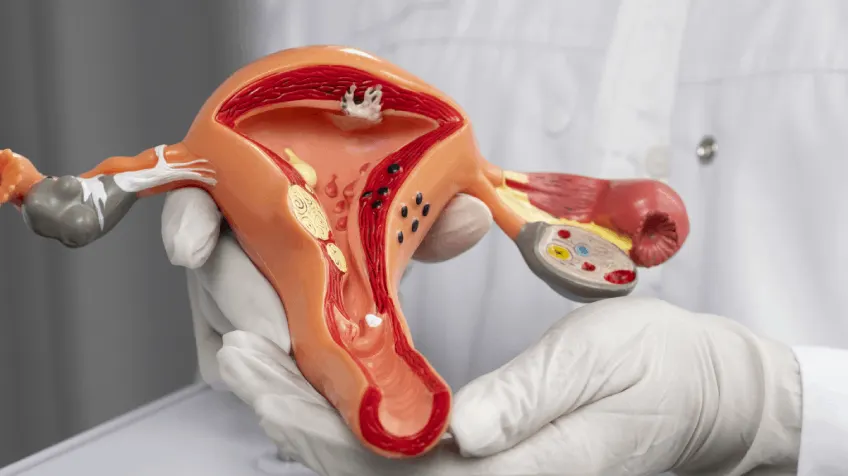
Many women experience pelvic pain, painful periods, or difficulty getting pregnant without knowing the real reason behind these problems. In many cases, these symptoms may be linked to endometriosis, a common condition that affects millions of women around the world.
If you are looking for Endometriosis Treatment in dubai, it is important to understand the condition, its symptoms, available treatment options, and when to seek medical care. Learning about the disease can help you make informed decisions and improve your quality of life.
This guide explains everything you need to know about endometriosis in simple language. Whether you have recently been diagnosed or are trying to understand your symptoms, this article will help you learn about the available treatment options and ongoing care.
What Is Endometriosis?
Endometriosis is a condition where tissue similar to the lining inside the uterus grows outside the uterus. These growths may appear on the ovaries, fallopian tubes, bladder, bowel, or other areas inside the pelvis.
Just like the lining of the uterus, this tissue responds to hormonal changes during the menstrual cycle. Every month it thickens, breaks down, and bleeds. However, because the blood cannot leave the body easily, it causes inflammation, irritation, and sometimes scar tissue.
Over time, this can lead to:
- Chronic pelvic pain
- Painful menstrual periods
- Pain during intercourse
- Fertility problems
- Formation of cysts
- Scar tissue and adhesions
The severity of symptoms does not always match the stage of the disease. Some women with mild endometriosis experience severe pain, while others with advanced disease may have very few symptoms.
What Causes Endometriosis?
The exact cause is still not fully understood. Researchers believe several factors may contribute to its development.
Possible causes include:
- Retrograde menstrual flow
- Genetic factors
- Hormonal imbalance
- Immune system disorders
- Changes in abdominal cells
- Previous pelvic surgery
Having a close family member with endometriosis may increase the risk of developing the condition.
Common Symptoms of Endometriosis
Symptoms can vary from one woman to another. Some women notice symptoms every month, while others experience pain throughout the cycle.
Common symptoms include:
Painful Periods
This is one of the most common signs. The pain may begin before the menstrual period and continue for several days.
Pelvic Pain
Pain may occur even when you are not having your period. It can become chronic and interfere with daily activities.
Pain During Intercourse
Some women experience deep pelvic pain during or after sexual intercourse.
Heavy Menstrual Bleeding
Periods may become heavier than usual or irregular.
Pain During Urination or Bowel Movements
Pain is often worse during menstruation if the bladder or bowel is affected.
Difficulty Becoming Pregnant
Endometriosis is one of the leading causes of infertility in women.
Other Symptoms
Additional symptoms may include:
- Fatigue
- Lower back pain
- Bloating
- Constipation
- Diarrhea
- Nausea
When Should You See a Doctor?
You should seek medical advice if:
- Your menstrual pain is becoming worse every month.
- Pain affects your work or daily routine.
- Over-the-counter pain medicines no longer help.
- You have pain during intercourse.
- You have been trying to become pregnant without success.
- You notice severe pelvic pain between periods.
Early diagnosis often helps prevent complications and allows treatment to begin sooner.
How Is Endometriosis Diagnosed?
Diagnosis usually begins with a detailed medical history and physical examination.
Your doctor may recommend several tests.
Pelvic Examination
The doctor checks for tenderness, cysts, or abnormalities in the pelvic area.
Ultrasound Scan
An ultrasound helps detect ovarian cysts caused by endometriosis.
MRI Scan
MRI provides detailed images and helps determine the extent of the disease.
Laparoscopy
Laparoscopy is considered the most accurate way to confirm endometriosis. A small camera is inserted through a tiny incision to directly view the affected areas. Tissue samples may also be taken if needed.
Understanding Endometriosis Stages
Doctors often classify endometriosis into four stages.
Stage 1: Minimal
Small implants with little or no scar tissue.
Stage 2: Mild
More implants with limited scar tissue.
Stage 3: Moderate
Deeper implants with ovarian cysts and adhesions.
Stage 4: Severe
Large cysts, extensive scar tissue, and widespread disease.
Treatment depends more on symptoms and fertility goals than on the stage alone.
Endometriosis Treatment in Dubai
The right Endometriosis Treatment in Dubai depends on several factors, including:
- Age
- Severity of symptoms
- Stage of disease
- Fertility plans
- Overall health
- Previous treatments
Doctors usually recommend a personalized treatment plan.
Pain Management
For mild symptoms, pain relief medicines may help reduce discomfort.
These medications are often recommended for:
- Mild pelvic pain
- Painful periods
- Occasional flare-ups
Pain medicines help control symptoms but do not remove endometriosis.
Hormonal Therapy
Hormonal treatment reduces or stops menstrual cycles, slowing the growth of endometrial tissue.
Common hormonal options include:
Birth Control Pills
These regulate hormones and often reduce pain.
Progesterone Therapy
Progesterone helps reduce the growth of endometrial tissue.
Hormonal Injections
These temporarily lower estrogen levels and may reduce symptoms.
Hormonal Intrauterine Device (IUD)
Some women experience long-term symptom relief with hormone-releasing IUDs.
Hormonal therapy is generally not suitable for women who are actively trying to become pregnant.
Surgical Treatment
When medication does not provide enough relief or fertility is affected, surgery may be recommended.
The main goals of surgery are:
- Remove endometriosis tissue
- Reduce pain
- Preserve healthy organs
- Improve fertility where possible
Laparoscopic Surgery
Laparoscopic surgery is the most commonly performed procedure.
Benefits include:
- Small incisions
- Less pain
- Faster recovery
- Shorter hospital stay
- Better cosmetic results
During surgery, the surgeon removes or destroys endometriosis implants while preserving healthy tissue whenever possible.
Treatment for Fertility
Many women with endometriosis can still become pregnant naturally.
However, fertility treatment may be recommended if pregnancy does not occur.
Options may include:
- Ovulation monitoring
- Fertility medications
- Intrauterine insemination (IUI)
- In vitro fertilization (IVF)
The treatment depends on age, ovarian reserve, and severity of endometriosis.
Can Lifestyle Changes Help?
Lifestyle changes cannot cure endometriosis, but they may help reduce symptoms and improve overall health.
Helpful habits include:
Regular Exercise
Gentle exercise may improve blood circulation and reduce inflammation.
Healthy Diet
Eating more fruits, vegetables, whole grains, and lean proteins supports general health.
Some women find symptom relief by reducing:
- Processed foods
- Excess sugar
- Fried foods
- Highly processed snacks
Stress Management
Long-term pain can increase stress. Activities like yoga, meditation, breathing exercises, and adequate sleep may improve overall well-being.
Recovery After Treatment
Recovery depends on the type of treatment received.
After laparoscopic surgery, many women:
- Walk within a few hours
- Return home the same day or the next day
- Resume light activities within one to two weeks
- Recover fully over several weeks
Your doctor will provide specific recovery instructions based on your condition.
Can Endometriosis Return?
Yes. Endometriosis may return even after successful treatment.
The chance of recurrence depends on:
- Age
- Severity of disease
- Hormone levels
- Type of surgery performed
- Future pregnancy plans
Regular follow-up appointments help monitor symptoms and detect recurrence early.
Possible Complications If Left Untreated
Without treatment, endometriosis may lead to:
- Chronic pelvic pain
- Ovarian cysts
- Scar tissue
- Fertility problems
- Bowel or bladder complications
- Reduced quality of life
Early diagnosis and timely treatment may reduce these risks.
Tips for Living with Endometriosis
Managing endometriosis often requires ongoing care.
Helpful tips include:
- Keep track of your menstrual cycle.
- Record pain levels each month.
- Follow your treatment plan carefully.
- Attend regular follow-up appointments.
- Stay physically active.
- Maintain a healthy body weight.
- Eat a balanced diet.
- Get enough sleep.
- Speak openly with your doctor about new symptoms.
Frequently Asked Questions
Is endometriosis curable?
There is currently no permanent cure, but treatment can effectively manage symptoms, reduce pain, and improve quality of life.
Can endometriosis affect pregnancy?
Yes. Some women experience difficulty becoming pregnant, but many are able to conceive naturally or with fertility treatments.
Is surgery always necessary?
No. Many women manage their symptoms successfully with medication and hormonal therapy. Surgery is usually recommended when symptoms are severe or fertility is affected.
Can young women develop endometriosis?
Yes. It can affect teenagers and women of reproductive age.
Is endometriosis cancer?
No. Endometriosis is not cancer, although it can significantly affect daily life if left untreated.
Does pregnancy cure endometriosis?
Pregnancy may temporarily reduce symptoms in some women due to hormonal changes, but it is not considered a cure.
Importance of Early Diagnosis
Many women live with symptoms for years before receiving the correct diagnosis. This delay can affect physical health, emotional well-being, work, relationships, and fertility.
Recognizing symptoms early and seeking medical advice can make a significant difference. Timely diagnosis allows doctors to create a treatment plan that matches your symptoms, future pregnancy plans, and overall health goals.
Conclusion
Living with endometriosis can be challenging, but effective care is available. Understanding the symptoms, getting an accurate diagnosis, and choosing the right treatment can help reduce pain and improve daily life. Every woman's experience is different, so treatment should always be personalized based on her needs.
If you are considering Endometriosis Treatment in Dubai, consulting an experienced gynecologist is the first step toward better health. Dr. Neha Lalla provides comprehensive evaluation, personalized treatment plans, and ongoing care to help women manage endometriosis and improve their overall well-being.

 English
 Arabic
 French
 Spanish
 Portuguese
 Deutsch
 Turkish
 Dutch
Dutch
 Italiano
 Russian
 Romaian
 Greek
Greek
