


Why Four Inches of Snow Means Completely Different Things Across America: Comparing How Major US Cities Prepare for and Respond to Winter Storms
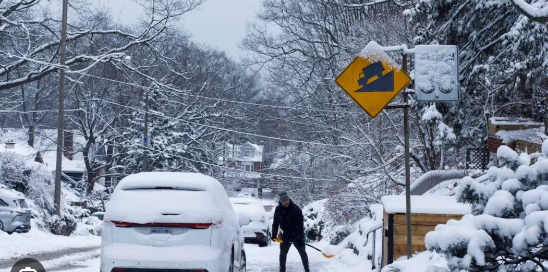
Winter storms affect nearly every region of the United States, yet their impact varies dramatically depending on where they occur. A snowfall that barely interrupts daily life in one city can bring another to a complete standstill. Geography, climate, infrastructure, municipal planning, public expectations, and decades of investment all influence how communities respond when snow and ice arrive.
Cities across America have developed unique strategies for winter weather based on their historical climate patterns. Northern communities invest heavily in snow removal equipment, salt storage facilities, and specialized emergency operations because snow is a predictable part of life. Meanwhile, cities in warmer regions often experience winter storms so infrequently that maintaining expensive snow-clearing fleets is difficult to justify. As a result, even relatively modest snowfall can create widespread disruption.
Understanding these regional differences helps explain why weather forecasts are interpreted differently across the country and why emergency declarations may seem surprising to people living elsewhere.
One helpful resource for comparing regional forecasts is winter storm warnings by city, which allows travelers and families to monitor weather conditions across hundreds of locations throughout the year.
Buffalo, New York: Built for Heavy Snow
Few American cities are as closely associated with snow as Buffalo. Located near Lake Erie, Buffalo experiences the famous lake-effect snow phenomenon. Cold Arctic air passing over the relatively warmer lake absorbs moisture before depositing enormous amounts of snow once it reaches land.
Annual snowfall commonly exceeds 90 inches, although some years produce well over 100 inches. Individual storms can dump several feet of snow within a short period, making Buffalo one of the snowiest metropolitan areas in the country.
Because these conditions occur regularly, Buffalo has developed one of America's most sophisticated snow response systems. Municipal governments maintain large fleets of snowplows operating around the clock. Salt depots are strategically located to minimize travel time for road crews. Emergency communication systems provide constant updates to residents.
Local drivers are accustomed to winter conditions. Snow tires are common, businesses rarely close for moderate storms, and residents generally continue normal activities unless snowfall becomes truly extreme.
Schools usually remain open during ordinary winter weather. Closures typically occur only when travel becomes genuinely hazardous or when lake-effect bands create localized blizzard conditions that dramatically reduce visibility.
For Buffalo residents, four inches of snowfall is rarely considered remarkable. Roads are quickly plowed, traffic continues moving, and daily routines experience minimal disruption.
Minneapolis, Minnesota: Extreme Cold Meets Efficient Planning
Minneapolis experiences one of America's longest and coldest winters. Snowfall averages approximately 50 to 60 inches annually, but what truly distinguishes the city is its prolonged exposure to subzero temperatures.
Winter preparation begins well before the first snowfall. Municipal agencies inspect equipment months in advance, stockpile road salt, calibrate plows, and prepare emergency response plans.
Snow emergency routes receive priority treatment, allowing emergency vehicles and public transportation to operate efficiently during storms. Parking restrictions automatically activate during significant snowfall, allowing plows unrestricted access to streets.
Residents adapt their lifestyles accordingly. Homes feature superior insulation, heating systems are designed for prolonged cold, and winter clothing is considered essential rather than optional.
School districts rely on detailed weather assessments that consider not only snowfall but also dangerous wind chills. Temperatures approaching negative twenty or thirty degrees Fahrenheit may trigger closures even if snowfall remains relatively light.
Public transportation also performs exceptionally well because infrastructure is specifically engineered for harsh winters. Rail systems, buses, and maintenance crews operate with winter resilience in mind.
As in Buffalo, four inches of snow is generally manageable. The city's preparation ensures that businesses, schools, and transportation systems recover quickly following most winter storms.
Denver, Colorado: High Elevation Creates Unique Challenges
Denver occupies a distinctive position among American winter cities. Although snowfall averages around 55 inches annually, the city's high elevation and variable climate create rapidly changing weather conditions.
One day may feature heavy snow, while the following afternoon temperatures climb high enough to melt much of it naturally.
This freeze-thaw cycle presents unique challenges. Meltwater frequently refreezes overnight, producing dangerous black ice even after roads appear clear.
Denver invests heavily in snow removal equipment and road treatment operations, although snowfall patterns differ substantially from those found in the Upper Midwest.
Because sunshine is abundant throughout winter, city planners often combine mechanical snow removal with natural melting whenever possible. Streets facing direct sunlight frequently clear faster than shaded neighborhoods.
Mountain travel introduces additional complexity. Interstate highways connecting Denver with ski destinations require constant monitoring because elevation changes dramatically influence snowfall intensity.
Schools typically evaluate forecasts based on both snowfall accumulation and expected morning temperatures. Even moderate snow can delay openings if overnight refreezing creates hazardous driving conditions.
Residents generally possess experience driving in snow, although sudden storms during autumn or spring sometimes catch motorists unprepared.
Four inches usually creates slower traffic rather than widespread shutdowns, especially when temperatures allow roads to improve quickly afterward.
Seattle, Washington: Rare Snow Creates Outsized Disruption
Seattle demonstrates why snowfall totals alone cannot predict winter storm impacts.
Despite averaging only a handful of snowy days each year, even modest accumulations can produce widespread transportation problems.
Several geographic factors contribute to Seattle's vulnerability.
The metropolitan area contains numerous steep hills. Even small amounts of snow become hazardous when vehicles attempt to climb or descend icy streets.
Temperatures frequently fluctuate near freezing, causing repeated melting and refreezing. Wet snow often transforms into compact ice that significantly reduces tire traction.
Unlike northern cities, Seattle maintains a relatively limited fleet of snowplows because major snowstorms occur infrequently.
Municipal budgets prioritize rainfall management, landslide prevention, and other weather-related concerns that occur far more often than significant snow.
Residents also possess less experience driving in snowy conditions. Many vehicles lack winter tires, and commuting patterns can deteriorate rapidly when road conditions worsen unexpectedly.
School districts tend to close more readily than counterparts in colder regions because student transportation involves navigating steep neighborhoods and potentially icy secondary roads.
Four inches of snow in Seattle frequently produces substantial delays, canceled classes, altered transit schedules, and widespread remote work arrangements.
Atlanta, Georgia: Ice Is the Real Enemy
Atlanta has become nationally recognized for the severe disruption that relatively light winter weather can create.
Snowfall averages only a couple of inches annually, and many winters pass with little or no measurable accumulation.
The city's greatest threat is not deep snow but freezing rain and ice.
Thin layers of ice covering highways, bridges, and overpasses dramatically reduce vehicle control. Because freezing events occur infrequently, maintaining extensive snow removal infrastructure would represent a poor use of municipal resources.
Instead, Atlanta emphasizes forecasting, emergency communication, and selective treatment of major transportation corridors.
Historical winter storms have demonstrated how rapidly conditions can deteriorate when snow begins during busy commuting periods. Traffic congestion may prevent treatment vehicles from reaching affected roads efficiently.
School systems often announce closures well in advance whenever significant winter precipitation appears likely. Businesses increasingly encourage remote work to reduce travel demand.
Residents generally have limited winter driving experience, further increasing accident risk during icy conditions.
Consequently, four inches of snow represents a genuine emergency for Atlanta rather than an inconvenience.
The disruption reflects practical realities rather than inadequate planning. Preparing for extremely rare weather events requires balancing public safety against responsible fiscal management.
Dallas, Texas: Learning From Rare Winter Extremes
Dallas experiences relatively mild winters, with snowfall occurring only occasionally. However, recent severe winter weather has highlighted how vulnerable warm-climate infrastructure can become during prolonged freezing conditions.
Unlike northern cities, many buildings, utilities, and transportation systems were originally designed with heat rather than cold as the primary concern.
When winter storms strike, freezing rain often causes greater disruption than snowfall itself.
Bridges freeze before surrounding roadways, creating isolated but dangerous travel hazards.
Road treatment resources remain limited compared with northern municipalities. Snowplows exist but in far smaller numbers because demand remains low during most years.
Schools frequently close preemptively whenever forecasts predict accumulating snow or widespread ice.
Businesses increasingly rely on remote operations during winter weather, reducing commuter traffic while allowing economic activity to continue.
Emergency management agencies have strengthened preparedness following recent severe winter events by improving communication strategies, coordinating utility responses, and expanding contingency planning.
Nevertheless, four inches of snow still represents a significant event capable of disrupting transportation, delaying deliveries, and temporarily closing many public facilities.
Why Infrastructure Matters More Than Snowfall Totals
Snow accumulation alone rarely determines a city's ability to function during winter storms.
Infrastructure investment often proves far more important.
Northern cities allocate substantial annual budgets toward:
- Snowplows and specialized vehicles
- Road salt storage
- Sand distribution systems
- Maintenance personnel
- Weather monitoring technology
- Emergency operations centers
- Fleet maintenance
- Equipment replacement
These recurring investments allow rapid responses immediately after snowfall begins.
Warm-weather cities face a different financial calculation.
Purchasing hundreds of snowplows that might remain unused for years is difficult to justify when municipal budgets must also address transportation, policing, housing, parks, and numerous other priorities.
Instead, these cities focus resources on forecasting partnerships, emergency messaging, selective road treatment, and temporary operational adjustments.
Both approaches represent rational responses to local climate realities.
Road Treatment Budgets Reflect Climate Priorities
Road treatment spending varies enormously across American cities.
Snowbelt municipalities invest millions of dollars annually in salt, brine, equipment maintenance, labor, and fuel.
Pre-treatment has become increasingly common. Before storms arrive, crews spray liquid brine solutions onto major highways. This prevents snow from bonding strongly with pavement, making later plowing substantially easier.
Cities with frequent snowfall also maintain large salt reserves to ensure uninterrupted operations during prolonged winter seasons.
Conversely, southern cities typically maintain much smaller inventories.
Rather than preparing for months of continuous snow removal, they concentrate resources on treating priority routes such as hospitals, interstate highways, emergency service corridors, and major bridges.
This targeted strategy provides reasonable protection without excessive spending on rarely used equipment.
School Closure Decisions Depend on Local Conditions
School closure policies illustrate regional differences particularly well.
Northern districts expect students, parents, bus drivers, and teachers to operate safely in snowy conditions.
School buses are designed for winter use, road crews prioritize educational routes, and communities generally possess experience managing regular snowfall.
Southern and coastal districts evaluate risk differently.
Limited snow removal capability, infrequent driver experience, and icy neighborhood roads increase transportation hazards.
Closing schools before conditions worsen often represents the safest option.
Modern forecasting technology has also changed decision-making nationwide.
Rather than reacting after roads become dangerous, administrators increasingly announce closures based on predicted conditions, allowing families and transportation providers additional preparation time.
Public Expectations Shape Emergency Responses
Community expectations strongly influence winter storm management.
Residents of Buffalo or Minneapolis anticipate snowy commutes, shovel driveways routinely, and keep emergency supplies available throughout winter.
Meanwhile, residents of Atlanta or Dallas naturally expect transportation systems designed primarily for warm weather.
Public acceptance of temporary closures also differs.
Northern residents may become frustrated if services stop after modest snowfall because they expect uninterrupted operations.
Southern residents generally understand that unusual winter weather requires greater caution.
Neither perspective is inherently better; each reflects decades of local experience.
Why Four Inches Means Something Different Everywhere
The phrase "four inches of snow" sounds objective, but its practical meaning depends entirely upon location.
In Buffalo, four inches may disappear from major roads before morning rush hour.
In Minneapolis, commuters simply allow extra travel time.
In Denver, sunshine may eliminate much of the snow within a day.
In Seattle, hills become dangerously slippery.
In Atlanta, ice may immobilize entire transportation networks.
In Dallas, schools and businesses often suspend operations while municipalities focus on maintaining critical infrastructure.
The snowfall amount remains identical.
Everything else differs.
Climate history, municipal investment, geography, transportation design, emergency planning, and public familiarity collectively determine whether that snowfall becomes routine maintenance or a regional emergency.
Conclusion
Winter storms reveal the remarkable diversity of the United States. Every city has developed weather response strategies suited to its unique climate, geography, and budget priorities. Snowbelt communities have spent generations refining sophisticated winter operations capable of handling frequent heavy snowfall with impressive efficiency. Warmer regions, facing rare but potentially disruptive storms, rely instead on forecasting, communication, targeted infrastructure protection, and precautionary closures.
Comparing cities such as Buffalo, Minneapolis, Denver, Seattle, Atlanta, and Dallas demonstrates that successful winter storm management is not simply about receiving less or more snow. It is about preparation, local experience, infrastructure investment, and realistic planning based on historical weather patterns.
Understanding these regional differences helps explain why identical snowfall amounts produce dramatically different headlines across America. Rather than judging one city's response against another, it is more useful to recognize that every municipality prepares for the climate it experiences most often. In that context, four inches of snow is never just four inches—it is a reflection of geography, economics, engineering, and decades of adaptation

 English
 Arabic
 Spanish
 Portuguese
 Deutsch
 Turkish
 Dutch
Dutch
 Italiano
 Russian
 Romaian
 Portuguese (Brazil)
 Greek
Greek
