


Japan Engineering Plastics Enabling Precision Manufacturing Across Industries
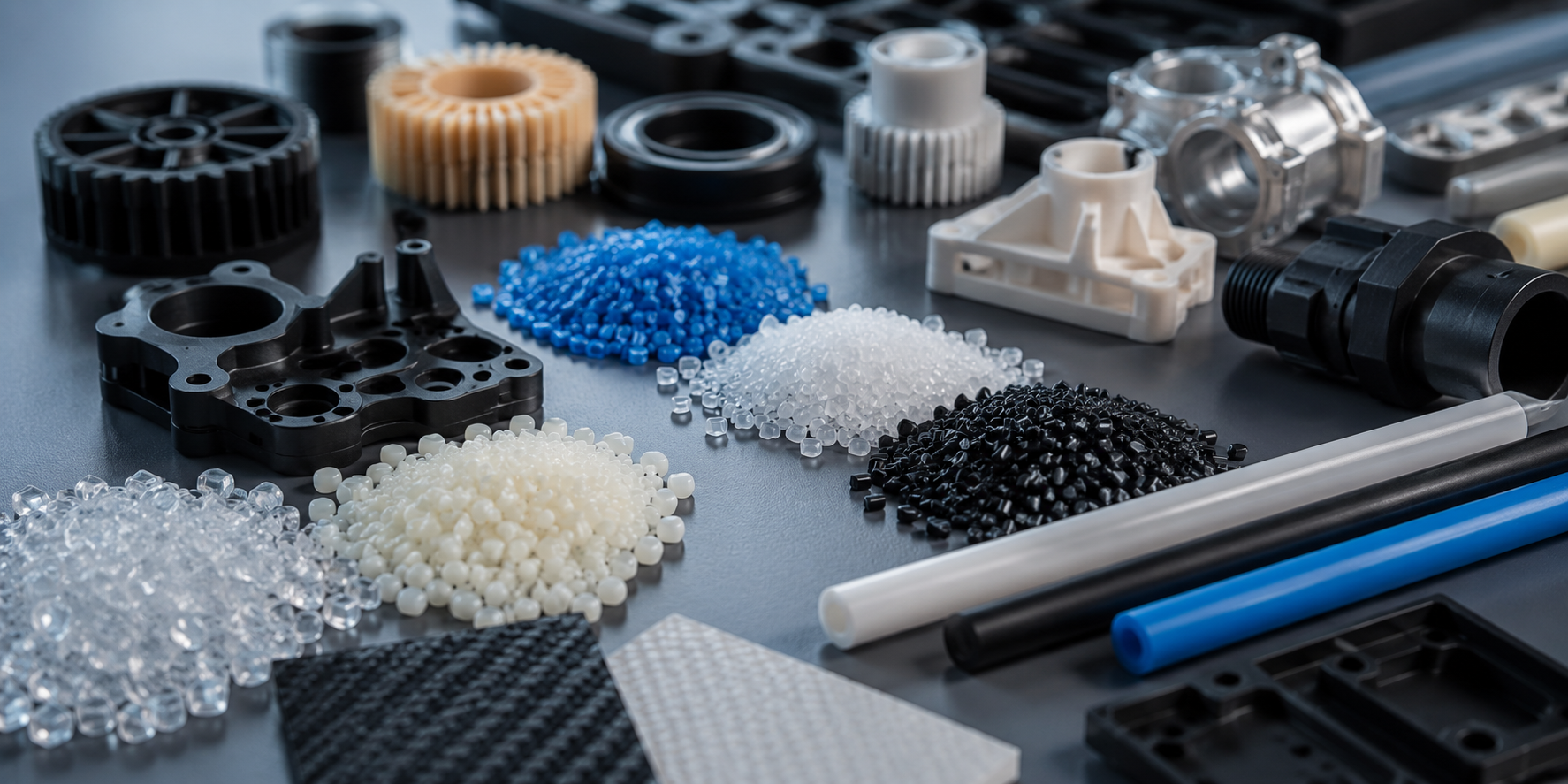
Japan engineering plastics are becoming increasingly important in the production of components that require accuracy, durability, and dependable performance. These advanced polymers combine lightweight properties with mechanical strength, thermal stability, chemical resistance, and electrical insulation. Such characteristics allow manufacturers to replace conventional metals and standard plastics in demanding applications. Japan’s established automotive, electronics, semiconductor, aerospace, machinery, and healthcare sectors are supporting wider material adoption. Manufacturers are also developing specialized resin formulations that can satisfy strict technical requirements while improving production efficiency and supporting more compact product designs.
Advanced Materials Supporting Technical Excellence
Engineering plastics are designed to maintain their physical and functional characteristics under conditions that may damage ordinary polymers. They can tolerate elevated temperatures, repeated mechanical loads, chemical exposure, electrical stress, and dimensional pressure. Common materials include fluoropolymers, polyamides, polycarbonate, liquid crystal polymers, polyether ether ketone, polybutylene terephthalate, polyimide, and polyoxymethylene.
Japan’s manufacturing environment creates strong demand for materials with consistent quality and tight dimensional control. Precision components used in vehicles, electronic devices, semiconductor equipment, industrial machinery, and medical instruments often require complex shapes that are difficult or expensive to produce using metals. Engineering plastics support injection molding and other scalable techniques, allowing detailed components to be produced with reduced finishing requirements, lower weight, and greater design flexibility.
Demand Strengthened by High-Value Production
According to MarkNtel Advisors, the Japan engineering plastics market was valued at approximately USD 7.41 billion in 2025 and is projected to reach USD 10.1 billion by 2032. The sector is estimated to register a compound annual growth rate of around 4.52% during 2026–2032. Fluoropolymers represented the prominent resin category, while electrical and electronics applications accounted for a considerable share of demand.
These figures reflect the importance of advanced polymers within Japan’s high-value manufacturing system. Fluoropolymers such as PTFE and PVDF offer chemical resistance, thermal stability, and reliable electrical insulation. Liquid crystal polymers provide dimensional accuracy for miniature electronic parts, while polyamides combine strength with processing flexibility. The selection of a resin generally depends on temperature exposure, mechanical stress, electrical requirements, component geometry, and expected product life.
Automotive and Electronics Applications
Automotive manufacturing represents a major application area because vehicle producers are working to reduce component weight without compromising safety or durability. Engineering plastics can be used in brackets, electrical connectors, sensor housings, under-the-hood parts, lighting systems, battery components, and interior assemblies. Lower weight may improve fuel efficiency in conventional vehicles and contribute to extended driving range in electric models.
Electrical and electronics manufacturers use these materials in smartphones, connectors, 5G equipment, smart sensors, semiconductor processing systems, and other precision devices. Their insulating properties, heat resistance, and dimensional stability support smaller components and tightly integrated designs. Demand is also influenced by factory automation, connected equipment, and the continued development of sophisticated electronic products.
According to Japan’s Ministry of Economy, Trade and Industry, policies supporting advanced manufacturing, digital technologies, resource efficiency, and resilient supply chains are important components of the country’s industrial development framework.
Regional Production Networks Across Japan
Demand is distributed across Japan’s major manufacturing regions, although application patterns vary according to local industrial specialization. The Kanto region benefits from electronics, research facilities, automotive operations, medical technology, and corporate engineering centers. The Kansai and Chubu regions contain established manufacturing clusters serving transportation equipment, machinery, chemicals, and electrical systems.
Kyushu has developed into an important semiconductor production location, increasing requirements for materials that offer chemical purity, electrical insulation, heat resistance, and dimensional reliability. Engineering plastics are used in semiconductor equipment, connectors, fluid-handling systems, protective components, and production infrastructure. Regional investments in fabrication capacity and related supply chains may consequently increase demand for specialized polymer grades.
The Japan External Trade Organization highlights Japan’s extensive manufacturing capabilities, technological infrastructure, and regional industrial clusters, which provide a supportive environment for materials suppliers and precision component producers.
Cost, Regulation, and Sustainability Considerations
Despite their technical advantages, engineering plastics face several constraints. Japan depends substantially on imported petrochemical feedstocks, exposing manufacturers to fluctuations in crude oil, naphtha, transportation, and currency costs. Volatile input prices can reduce margins, particularly for smaller compounders producing specialized materials in limited volumes. Manufacturers must therefore improve purchasing strategies, production efficiency, and supply-chain resilience.
Environmental regulation is another important consideration. Restrictions involving certain fluorinated substances may require changes in formulations, processing methods, and product portfolios. Producers must balance chemical resistance and thermal performance with evolving safety and environmental expectations. Developing suitable alternatives can require extended testing because material changes may affect durability, moldability, electrical behavior, and component certification.
The Ministry of the Environment, Japan provides national direction concerning resource circulation, waste reduction, recycling, and environmentally responsible material use, encouraging manufacturers to examine products across their complete life cycles.
Recycling and Intelligent Material Development
Circular production practices could influence the next phase of engineering plastics adoption. Manufacturers are exploring chemical recycling, mechanical recovery, recycled resin blending, bio-based feedstocks, and designs that make products easier to dismantle. High-performance polymers can be difficult to recycle because of additives, fiber reinforcement, mixed materials, and demanding quality specifications. Improved sorting and purification technologies may allow recovered polymers to be reused in higher-value applications.
Artificial intelligence is also being applied to material formulation and processing. Data-driven simulations can help researchers evaluate molecular structures, additives, thermal behavior, mechanical properties, and molding conditions before conducting extensive physical trials. This approach may shorten development cycles and support customized compounds for specialized components. Automated production systems can additionally adjust temperatures, pressure, and processing speed to improve consistency when recycled feedstocks contain variable properties.
Companies Shaping Material Availability
Japan’s competitive landscape includes integrated chemical groups, specialized resin producers, and advanced-material suppliers. Companies identified within the sector include AGC Inc., Asahi Kasei, Daicel Corporation, Daikin Industries, Idemitsu Kosan, Kaneka Corporation, Kuraray, Kureha Corporation, Mitsubishi Chemical Corporation, Mitsui Chemicals, Sumitomo Chemical, Teijin, Toray Industries, and UBE Corporation.
These companies support different resin categories, performance grades, compounding technologies, and end-use applications. Their activities in lightweight composites, recycled materials, fluoropolymers, polyamides, optical polymers, and high-temperature resins may help manufacturers address changing technical and environmental requirements.
Japan engineering plastics are expected to remain important to precision manufacturing as products become lighter, smaller, more connected, and technically complex. Automotive electrification, semiconductor investment, factory automation, medical technology, and advanced electronics could support continued material demand. However, future development may depend on feedstock stability, regulatory adaptation, recycling performance, and the ability to maintain consistent quality. The combination of material science, digital formulation, and circular manufacturing could strengthen the role of engineering plastics across Japan’s industrial value chains.

 English
 Arabic
 French
 Portuguese
 Deutsch
 Turkish
 Dutch
Dutch
 Italiano
 Russian
 Romaian
 Portuguese (Brazil)
 Greek
Greek
