


Protecting Elderly Relatives and Vulnerable Populations During Winter Storms: A Complete Guide to Safety, Preparedness, and Support
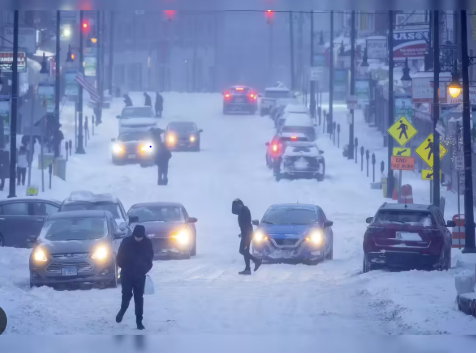
Winter storms can create serious challenges for everyone, but elderly relatives and vulnerable populations often face the greatest risks. Cold temperatures, icy conditions, power outages, limited transportation, and isolation can quickly turn a winter weather event into a dangerous situation for seniors, people with disabilities, individuals with chronic health conditions, and those who live alone. Preparing before a storm arrives and maintaining support during severe weather can prevent injuries, health emergencies, and unnecessary stress.
Many older adults are more vulnerable to winter hazards because of physical changes associated with aging. Reduced mobility, slower reactions, weaker immune systems, chronic illnesses, and certain medications can make it harder for seniors to stay warm, move safely, and respond quickly during emergencies. Families, neighbors, caregivers, and communities all play an important role in ensuring vulnerable individuals have the resources and assistance they need.
Winter storm preparation is not only about having enough food and supplies. It is also about creating a safety network, monitoring health conditions, preventing accidents, maintaining emotional well-being, and ensuring that older adults are not left alone when dangerous weather conditions develop.
Why Elderly Adults Face Greater Risks During Winter Storms
Cold weather affects the human body differently as people age. Many seniors experience decreased circulation and may not feel cold temperatures as quickly as younger individuals. This can increase the risk of hypothermia, a dangerous condition where the body loses heat faster than it can produce it.
Older adults may also face challenges that make winter emergencies more complicated. A person with limited mobility may struggle to clear snow from walkways or reach emergency supplies. Someone with memory problems may forget to take medications or recognize warning signs of dangerous cold exposure. Individuals who depend on electricity for medical devices may face serious health concerns during power outages.
Social isolation is another major concern. Many elderly people live alone, and a severe storm can prevent family members, caregivers, or community workers from visiting. A simple missed phone call or delayed check-in can allow a minor problem to become a serious emergency.
Understanding these risks helps families and communities create better plans before winter storms arrive.
Checking on Elderly Neighbors Before, During, and After Storms
One of the most effective ways to protect vulnerable people is through regular check-ins. Elderly neighbors who live alone may not always ask for help, even when they need it. A simple conversation, phone call, or visit can provide reassurance and help identify potential problems early.
Before a winter storm, neighbors and family members can create a contact list with important information, including:
- Emergency phone numbers
- Medical conditions
- Medication needs
- Preferred communication methods
- Family contacts
- Transportation options
- Heating concerns
During a storm, checking on elderly neighbors becomes especially important. If roads are unsafe, a phone call or video call can help confirm that they are warm, safe, and have necessary supplies. If someone does not answer, neighbors should consider whether additional assistance is needed.
For seniors who may have difficulty using technology, family members can prepare simple communication plans. This might include placing emergency contacts near the phone, setting up automatic check-in calls, or teaching older adults how to use basic emergency features on their devices.
If you have elderly parents living alone, bookmark winter storm warning near me on their phone or tablet — it uses GPS to detect their location and instantly shows whether dangerous conditions are expected.
After the storm, follow-up visits are equally important. Some injuries and health problems appear after the immediate danger has passed. Seniors may slip on leftover ice, experience worsening medical conditions, or struggle with emotional stress after being isolated.
Building a Medication and Health Emergency Plan
Medication management is one of the most important parts of winter storm preparation for older adults. A storm that closes roads or disrupts transportation can make it difficult or impossible to reach a pharmacy. Running out of essential medication can create serious health risks.
Families should encourage elderly relatives to maintain an emergency medication supply whenever possible. Doctors and pharmacists can provide guidance on safe refill schedules and appropriate emergency supplies.
Important preparation steps include:
- Keeping an updated medication list
- Knowing dosage instructions
- Storing prescriptions in a safe and accessible location
- Refilling important medications before severe weather seasons
- Keeping contact information for doctors and pharmacies available
- Planning for medications that require refrigeration
Medication storage should also be considered during power outages. Some medicines may be affected by extreme temperatures, so seniors and caregivers should understand proper storage requirements.
Medical equipment should also be included in emergency planning. People who use oxygen machines, mobility devices, electric beds, or other medical equipment should have a plan for possible power interruptions. Backup batteries, alternative power sources, or emergency contacts should be arranged before severe weather arrives.
Preventing Falls on Ice and Snow
Falls are one of the most common winter hazards for older adults. Even a minor fall can lead to broken bones, head injuries, hospitalization, and long recovery periods. Icy sidewalks, slippery steps, and hidden patches of frozen water can create dangerous conditions.
Fall prevention begins before the storm.
Homeowners and caregivers should prepare outdoor areas by:
- Clearing snow quickly after storms
- Applying salt or ice melt to walkways
- Keeping entrances well lit
- Removing loose outdoor objects
- Installing secure handrails on steps
- Creating clear paths from doors to vehicles
Elderly adults should avoid walking on icy surfaces whenever possible. If they must go outside, they should wear shoes or boots with strong traction rather than smooth footwear. Walking slowly, taking smaller steps, and using support devices when recommended can reduce the risk of slipping.
Indoor safety is also important. Wet boots and melted snow can create slippery floors. Seniors should remove wet clothing and footwear immediately after coming inside. Rugs, electrical cords, and clutter should be kept away from walking paths.
Families should also consider whether an elderly relative needs assistance with errands during storms. Helping someone obtain groceries, medications, or supplies may prevent them from taking unnecessary risks outdoors.
Heating Assistance Programs and LIHEAP Support
Maintaining a safe indoor temperature is essential during winter storms. Unfortunately, some elderly adults struggle with heating costs, especially those living on fixed incomes. Financial concerns may cause people to lower their heat usage, creating dangerous living conditions.
The Low Income Home Energy Assistance Program (LIHEAP) is a federal program designed to help eligible households with heating and energy costs. Assistance availability varies by location, but many older adults may qualify for support with energy bills, emergency heating needs, or weatherization services.
Families should help vulnerable relatives explore available heating assistance options before winter conditions become severe. Applications can take time, and emergency programs may have limited resources during extreme weather events.
Other heating safety tips include:
- Keeping heating systems maintained
- Using space heaters safely
- Never using outdoor grills indoors for warmth
- Avoiding blocked vents
- Installing smoke and carbon monoxide detectors
- Keeping emergency blankets available
A warm home is not only a comfort issue; it is a health necessity. Cold indoor temperatures can increase the risk of respiratory problems, heart strain, and hypothermia.
Understanding Hypothermia Risks in Seniors
Hypothermia occurs when the body loses heat faster than it can replace it. While many people associate hypothermia with extreme outdoor exposure, older adults can develop it even inside a cold home.
Seniors are at increased risk because of several factors, including:
- Reduced ability to regulate body temperature
- Poor circulation
- Lower body fat levels
- Certain medications
- Chronic health conditions
- Limited mobility
- Living in poorly heated homes
Signs of hypothermia may include:
- Shivering
- Confusion
- Extreme tiredness
- Slurred speech
- Weakness
- Slow breathing
- Loss of coordination
Confusion is especially concerning because it may be mistaken for normal aging or memory problems. Any sudden change in behavior during cold weather should be taken seriously.
To prevent hypothermia, seniors should dress in warm layers, keep living spaces heated, eat regular meals for energy, and avoid prolonged exposure to cold temperatures.
Caregivers should check whether elderly relatives are actually comfortable and warm. Some seniors may reduce heating use because of cost concerns or may not recognize that their home is too cold.
Supporting Mental Health and Reducing Isolation During Storms
Winter storms can affect emotional health as much as physical safety. Being trapped indoors for several days can increase feelings of loneliness, anxiety, and helplessness, especially among seniors who already have limited social connections.
Isolation can become worse when transportation is disrupted and regular activities are canceled. Religious services, community programs, medical appointments, and family visits may all be interrupted.
Families can help protect mental health by maintaining regular communication. Phone calls, video chats, and messages can provide emotional support and remind seniors that they are not alone.
Helpful activities during storms may include:
- Watching favorite programs or movies
- Reading books
- Doing puzzles or crafts
- Calling friends and relatives
- Participating in online activities
- Listening to music
- Keeping regular daily routines
Caregivers should also pay attention to signs of emotional distress, such as increased sadness, withdrawal, unusual fear, or changes in sleep patterns. Long periods of isolation can affect both mental and physical health.
Community programs can also provide important support. Local organizations, volunteer groups, and senior centers often organize wellness calls or assistance programs during severe weather.
Preparing Assisted Living Facilities for Winter Storms
Assisted living facilities and senior care communities must have detailed emergency plans before winter weather arrives. Because residents often have complex medical and mobility needs, preparation requires careful coordination among staff, families, healthcare providers, and emergency services.
Important areas of preparation include:
- Backup power planning
- Emergency food and water supplies
- Medication availability
- Heating system maintenance
- Staff scheduling during severe weather
- Transportation plans
- Communication procedures
Facilities should ensure that heating systems are inspected before winter begins. Backup generators should be tested regularly, and staff should understand procedures for extended power outages.
Emergency plans should also account for residents with special needs. Some individuals may require assistance with mobility, oxygen equipment, medication schedules, or communication.
Family members should stay informed about their loved one’s facility emergency procedures. Knowing how the facility handles storms can reduce anxiety and help families respond appropriately.
After a storm, assisted living communities should continue monitoring residents for injuries, illness, dehydration, emotional distress, and other issues that may develop after the event.
Creating a Community Safety Network
Protecting vulnerable populations during winter storms requires cooperation. Families cannot always be physically present, but neighbors, community organizations, healthcare providers, and local services can work together to create a stronger safety system.
A community safety network might include:
- Neighborhood check-in programs
- Emergency contact lists
- Volunteer assistance groups
- Transportation support
- Food delivery options
- Medical communication plans
Small acts of kindness can make a major difference. Helping clear a walkway, delivering groceries, checking a heating system, or making a phone call can protect someone from serious harm.
Winter storms are unpredictable, but preparation provides control. By planning ahead, monitoring vulnerable individuals, preventing accidents, and offering emotional support, communities can help elderly relatives and at-risk populations remain safe throughout the coldest months of the year.
Final Thoughts on Winter Storm Protection for Vulnerable Individuals
Winter weather requires more than simply preparing homes and vehicles. It requires attention to the people who face the greatest challenges when temperatures drop and conditions become dangerous. Elderly adults and vulnerable populations need practical support, reliable communication, and thoughtful preparation.
Checking on neighbors, maintaining medication supplies, preventing falls, accessing heating assistance programs, recognizing hypothermia risks, supporting mental health, and improving assisted living preparedness are all essential steps.
A few minutes spent planning today can prevent emergencies tomorrow. Through awareness, compassion, and community cooperation, we can ensure that winter storms do not leave vulnerable individuals behind

 English
 Arabic
 French
 Portuguese
 Deutsch
 Turkish
 Dutch
Dutch
 Italiano
 Russian
 Romaian
 Portuguese (Brazil)
 Greek
Greek
