


What Is a Pallet Rack? A Complete Beginner's Guide
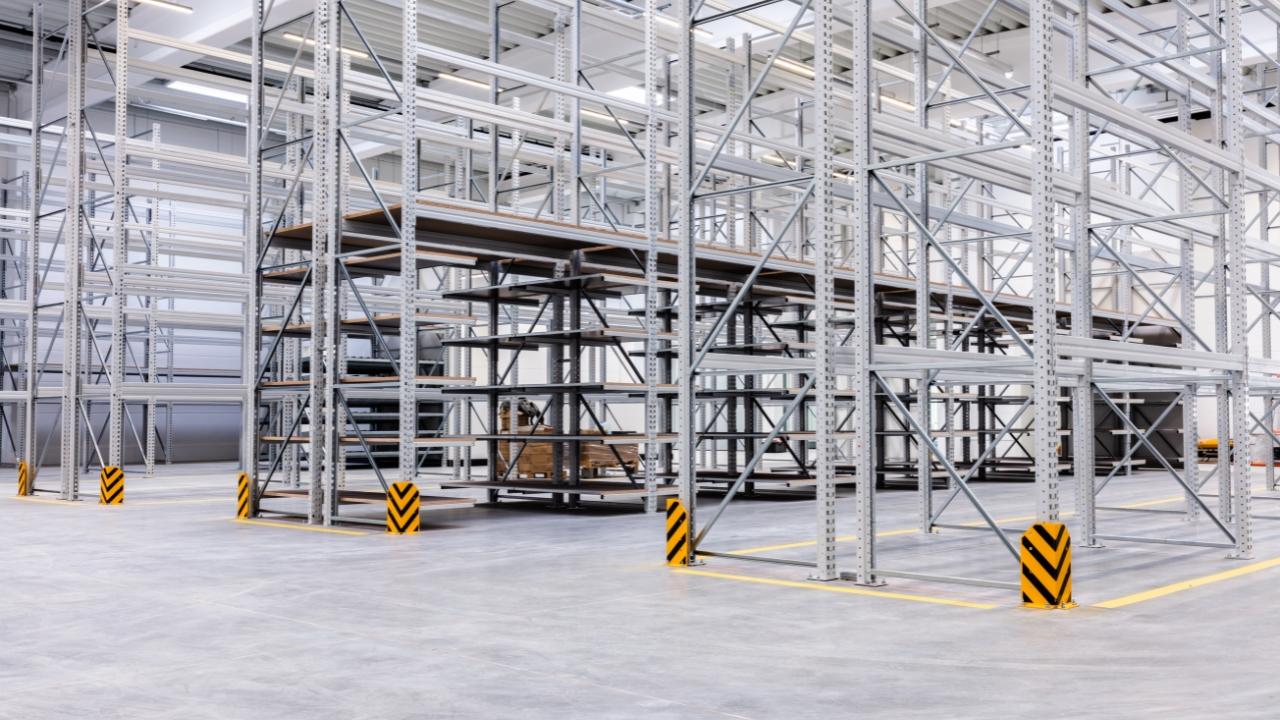
A pallet rack is one of the most important storage systems used in warehouses and distribution centers. It helps businesses maximize storage space, improve inventory organization, and increase operational efficiency. At Master Racks Limited, pallet racking solutions are designed to support safe and effective warehouse management.
What Is a Pallet Rack?
A pallet rack is a storage structure specifically designed to hold palletized goods in warehouses, factories, logistics centers, and retail distribution facilities. These systems allow businesses to store products vertically, making better use of available warehouse space.
Instead of placing products directly on the floor, a pallet rack creates organized storage levels that can be easily accessed using forklifts and other material handling equipment.
Modern warehouses rely on pallet racking systems to improve storage capacity, streamline inventory management, and maintain safe working environments.
Why Pallet Racks Are Important in Warehouses
Warehouse space is a valuable resource. As inventory grows, businesses need efficient storage solutions that maximize available space without affecting accessibility.
A pallet rack helps businesses:
-
Utilize vertical warehouse space
-
Improve inventory organization
-
Increase storage capacity
-
Reduce product damage
-
Enhance workplace safety
-
Improve order fulfillment efficiency
These advantages make pallet racking one of the most widely used storage systems across various industries.
How Does a Pallet Rack Work?
A pallet rack consists of vertical frames and horizontal beams that create storage levels for palletized products.
Goods are placed on pallets and then loaded onto the rack using forklifts or pallet handling equipment.
The system allows products to be stored in designated locations while remaining accessible for inventory management and order picking.
This organized storage structure improves warehouse efficiency and simplifies stock control processes.
Main Components of a Pallet Rack System
Understanding the key components of a pallet rack helps beginners better understand how these systems operate.
Upright Frames
Upright frames form the vertical structure of the racking system.
They provide:
-
Structural support
-
Load-bearing strength
-
Rack stability
The height and configuration of upright frames vary depending on warehouse requirements.
Load Beams
Load beams connect the upright frames and support the pallets.
These beams are designed to carry specific weight capacities and can often be adjusted to accommodate different product sizes.
Base Plates
Base plates connect the rack structure to the warehouse floor.
They help distribute weight and improve overall stability.
Safety Accessories
Modern pallet rack systems often include safety features such as:
-
Column protectors
-
Rack guards
-
Safety barriers
-
Wire decking
-
Load capacity signage
These components help maintain safe warehouse operations.
Different Types of Pallet Rack Systems
Not all warehouses require the same storage solution. Several pallet rack configurations are available to meet different operational needs.
Selective Pallet Racking
Selective pallet racking is the most common storage system used worldwide.
Key Features
-
Direct access to every pallet
-
Flexible storage configuration
-
Easy inventory management
-
Compatible with most forklifts
Best Applications
-
Retail warehouses
-
Distribution centers
-
Manufacturing facilities
This system is ideal for businesses that require quick access to a wide variety of products.
Drive-In Pallet Racking
Drive-in systems allow forklifts to enter the rack structure to load and retrieve pallets.
Benefits
-
High storage density
-
Reduced aisle requirements
-
Efficient use of warehouse space
Suitable For
-
Bulk inventory storage
-
Large quantities of similar products
Double Deep Pallet Racking
Double deep systems store pallets two positions deep.
Advantages
-
Increased storage capacity
-
Better space utilization
-
Reduced aisle space
Considerations
Specialized forklifts may be required to access deeper pallet positions.
Push Back Racking
Push back racking uses inclined rails and rolling carts to store pallets efficiently.
Benefits
-
Higher storage density
-
Faster loading and unloading
-
Improved warehouse efficiency
This system works well for operations handling multiple pallets of the same product.
Pallet Flow Racking
Pallet flow systems use gravity rollers to move pallets from the loading side to the picking side.
Key Advantages
-
Supports FIFO inventory management
-
Improves stock rotation
-
Reduces forklift travel
This type of racking is commonly used in food and beverage warehouses.
Benefits of Installing a Pallet Rack System
Maximizes Warehouse Space
One of the biggest advantages of a pallet rack system is efficient use of vertical storage space.
Rather than expanding warehouse floor space, businesses can store inventory upward, significantly increasing storage capacity.
Improves Inventory Organization
Organized storage helps warehouse teams locate products quickly and accurately.
Benefits include:
-
Faster product retrieval
-
Reduced picking errors
-
Better inventory visibility
Enhances Productivity
Employees spend less time searching for products when inventory is properly organized.
This improves:
-
Order fulfillment speed
-
Labor efficiency
-
Overall warehouse productivity
Increases Workplace Safety
Properly installed pallet racking systems create structured storage environments.
This helps reduce:
-
Inventory collapse risks
-
Product damage
-
Employee accidents
Supports Business Growth
As businesses expand, inventory requirements increase.
A scalable pallet rack system allows warehouses to accommodate growing storage demands without major facility modifications.
Industries That Use Pallet Racks
Pallet rack systems are used across many industries.
Manufacturing
Manufacturers use pallet racking to store:
-
Raw materials
-
Production components
-
Finished products
Logistics and Distribution
Distribution centers rely on organized storage to process large volumes of inventory efficiently.
Retail
Retail warehouses use pallet racks to manage stock levels and seasonal inventory fluctuations.
Food and Beverage
Food distributors often utilize pallet flow and drive-in systems to maintain inventory rotation.
Pharmaceutical Industry
Pharmaceutical warehouses depend on organized storage and accurate inventory management for regulatory compliance.
Factors to Consider Before Choosing a Pallet Rack
Selecting the right storage solution requires careful evaluation.
Product Weight
Different products require different load capacities.
Always ensure the racking system can safely support stored inventory.
Product Dimensions
The size of pallets and products affects rack configuration and beam spacing.
Warehouse Layout
Consider:
-
Ceiling height
-
Floor space
-
Aisle width
-
Forklift requirements
Inventory Turnover
Businesses with high inventory turnover may benefit from systems that provide faster access to products.
Future Expansion Plans
Choosing a flexible system helps accommodate future growth and changing storage needs.
Common Mistakes to Avoid
Overloading the Rack
Exceeding weight limits can create serious safety risks.
Always follow manufacturer load specifications.
Ignoring Safety Inspections
Regular inspections help identify damage before it becomes a larger problem.
Poor Warehouse Planning
Improper layout design can reduce storage efficiency and hinder workflow.
Lack of Employee Training
Employees should understand:
-
Safe loading procedures
-
Weight limitations
-
Forklift operation near racks
Proper training improves both safety and efficiency.
Why Professional Installation Matters
A pallet rack system performs best when installed correctly.
Professional installation ensures:
-
Structural stability
-
Safety compliance
-
Maximum storage efficiency
-
Long-term durability
Companies such as Master Racks Limited provide expert guidance, customized storage designs, and professional installation services tailored to specific warehouse requirements.
Their industry experience helps businesses avoid costly mistakes while optimizing storage performance.
Maintenance Tips for Pallet Rack Systems
Regular maintenance helps extend the life of storage equipment.
Conduct Routine Inspections
Check for:
-
Bent frames
-
Damaged beams
-
Missing safety components
-
Loose anchors
Train Warehouse Staff
Employees should report any rack damage immediately.
Keep Aisles Clear
Clean and organized aisles improve both safety and operational efficiency.
Follow Load Guidelines
Never exceed recommended load capacities.
Proper maintenance ensures long-term reliability and warehouse safety.
The Future of Pallet Rack Systems
Warehouse operations continue to evolve with advancements in automation and smart logistics.
Modern pallet racking systems increasingly integrate with:
-
Warehouse Management Systems (WMS)
-
Automated storage technologies
-
Robotics
-
Real-time inventory tracking
These innovations improve inventory accuracy and warehouse productivity while maintaining efficient storage practices.
Conclusion
A pallet rack is an essential storage solution that helps warehouses maximize space, improve organization, and enhance operational efficiency. With proper planning, installation, and maintenance, businesses can achieve long-term storage success. Master Racks Limited provides reliable pallet racking solutions that support safe, efficient, and scalable warehouse operations.

 English
 Arabic
 Spanish
 Portuguese
 Deutsch
 Turkish
 Dutch
Dutch
 Italiano
 Russian
 Romaian
 Portuguese (Brazil)
 Greek
Greek
