


The Art of Italian Luxury: Exploring the Heritage of Gucci Made in Italy Handbags
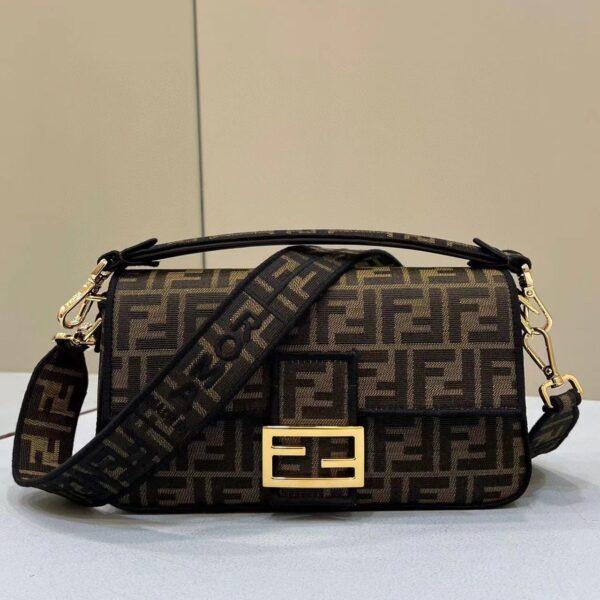
In the world of high fashion, few phrases carry as much weight and prestige as “Gucci made in Italy handbags.” This is not merely a label; it is a proclamation of artistry, a testament to centuries of Italian craftsmanship, and a promise of unparalleled quality. For nearly a century, the House of Gucci has stood as a beacon of luxury, its creations synonymous with sophistication and a distinctly Italian flair for design. From the bustling workshops of Florence to the wrists and shoulders of the global elite, the journey of a Gucci handbag is a story of passion, innovation, and an unwavering commitment to excellence. While the brand offers an extensive array of premium goods, including shoes, wallets, belts, jewelry, watches, and hats, it is the handbags—crafted meticulously in Italy—that remain the heart and soul of the House, embodying its rich history and its vision for the future.
The Genesis of a Legacy: Guccio Gucci’s Vision
To truly appreciate the significance of the phrase “Gucci made in Italy handbags,” one must first journey back to 1921, when a young man named Guccio Gucci returned to his native Florence. After working as a luggage porter at the prestigious Savoy Hotel in London, he had witnessed the refined luxury of the international elite. Inspired by the quality of the luggage he handled daily and the sophisticated style of the hotel’s clientele, he envisioned bringing that same level of elegance to his home country. Guccio founded a company in Florence that produced high-quality leather goods, opening a small store and workshop. His goal was to combine the exceptional skills of Italian artisans with a refined, British-inspired vision of luxury. This foundational philosophy—the marriage of Florentine craftsmanship with a global perspective on style—has been the driving force behind the House for over one hundred years.
In its early days, the company focused on fine leather trunks, gloves, and belts, quickly gaining a reputation for its meticulous attention to detail. The products were not just accessories; they were souvenirs of Italian excellence, coveted by the international jet set. The 1930s presented new challenges, as traditional raw materials became difficult to source. This period of scarcity, however, forced the House to innovate, leading to the introduction of alternative materials like wood, raffia, and unique fabrics, which would come to define some of its most iconic designs. It was this spirit of ingenuity, born from necessity, that would later give rise to some of the most celebrated Gucci made in Italy handbags in history.
The Florentine Art of Craftsmanship
The heart of every Gucci made in Italy handbag beats in the Tuscan region, particularly in Florence, where the brand was founded. This area has been a hub of leather craftsmanship for centuries, its artisans possessing a knowledge and skill that is passed down through generations. The “Made in Italy” label on a Gucci handbag is not a formality; it is a guarantee that the product has been crafted by master artisans who understand the nuances of their materials. These are not factory workers in the mass-production sense; they are skilled craftspeople who treat each handbag as a unique work of art.
The process is painstaking and begins long before the first stitch is sewn. The selection of the highest quality leathers is paramount. The artisans inspect each hide, ensuring it meets the House's stringent standards for texture, suppleness, and durability. The renowned matelassé leather, for example, used in the iconic GG Marmont collection, is a testament to this dedication. This technique creates a soft, quilted texture that is both luxurious to the touch and visually striking, evoking the rich history of Florentine leatherworking. A Gucci made in Italy handbag like the GG Marmont is crafted from soft nappa leather, showcasing this exquisite quilting, and is finished with the archival Double G hardware.
This dedication to traditional methods extends to other signature elements. The production of a Gucci Bamboo 1947 bag, another landmark in the story of Gucci made in Italy handbags, is a remarkable display of artisanal skill. Created in 1947 due to post-war material shortages, the bag features a handle made from a single piece of bamboo. The process involves selecting the most unblemished stalk, softening it over an open flame, and carefully curving it into its iconic shape. It is then coated in multiple layers of lacquer and baked to achieve a glossy, golden-brown finish. This highly technical and intuitive process ensures that no two bamboo handles are exactly alike, making each bag a truly unique piece. It is a perfect example of how innovation and craftsmanship have always been intertwined in the creation of Gucci made in Italy handbags.
The Iconic Silhouettes: A Walk Through History
The rich history of Gucci made in Italy handbags is reflected in its diverse range of iconic silhouettes, each representing a different era and a different facet of the House's creative evolution. These are not just bags; they are cultural artifacts that have shaped the fashion landscape.
The Bamboo 1947: As mentioned, this handbag was born from necessity but became a symbol of innovation and resilience. Its unique bamboo handle and structured silhouette made it an instant hit with Hollywood royalty and international celebrities, cementing its status as a timeless classic. The bag’s enduring appeal lies in its perfect blend of exotic material and sophisticated design, a hallmark of Gucci made in Italy handbags.
The Jackie 1961: Originally known as the Fifties Constance, this hobo-style bag was renamed after becoming a favorite of Jacqueline Kennedy Onassis. Its simple, curved shape and piston clasp fastening offered a sense of understated elegance that was both modern and timeless. Reintroduced and reimagined over the years, the Jackie 1961 remains a testament to the enduring appeal of classic Italian design. A modern Gucci made in Italy handbag from this line, crafted from supple leather, continues to capture that spirit of effortless chic.
The GG Marmont: Introduced under the creative direction of Alessandro Michele, the GG Marmont represents a more modern, maximalist take on the House’s heritage. The bag is defined by its soft matelassé chevron leather and the prominent Double G hardware, an archival logo first introduced in the 1970s. The design is evocative of Florentine craftsmanship and quickly became one of the most recognizable and popular Gucci made in Italy handbags of the 21st century. Its soft, structured silhouette and versatile chain strap make it a favorite for fashion enthusiasts worldwide.
The Gucci Diana: Named after Princess Diana, this bag is distinguished by its bamboo top handle and two distinctive leather belt straps with metal buckles. The design, which pays homage to a 1990s icon, has been revived with a modern touch, often featuring a vibrant pop of color. This collection further demonstrates the breadth of design and the continuous reinvention that defines Gucci made in Italy handbags.
The Horsebit 1955: Paying tribute to one of the House's most enduring motifs, the Horsebit 1955 handbag is a celebration of Gucci's equestrian heritage. The Horsebit detail, first introduced on a handbag in 1955, was created by Guccio Gucci's sons and has become a symbol of the brand's prestige and timeless style. This collection of Gucci made in Italy handbags presents a structured, elegant silhouette that appeals to those who appreciate classic, refined luxury.
Materials of Distinction
The quality of a Gucci made in Italy handbag is intrinsically linked to the premium materials used in its creation. The House employs a wide variety of leathers, from soft full-grain leather to the more structured GG Supreme canvas. Calfskin leather, known for its smooth, fine grain and durability, is a frequent choice for many of the brand’s most luxurious pieces. The soft, grainy leather used in bags like the Brera or Paparazzo highlights the tactile luxury that Italian tanneries are renowned for.
The materials are carefully selected not only for their beauty but also for their durability, ensuring that a Gucci made in Italy handbag is an investment that can last a lifetime with proper care. The House is also increasingly committed to a circular approach, focusing on responsible sourcing and sustainable production methods to maintain its commitment to quality while minimizing its environmental footprint.
Beyond the Handbag: A Complete Vision of Luxury
While handbags are the cornerstone, the House of Gucci offers a complete world of luxury. The same dedication to Italian craftsmanship found in its bags is reflected in its other accessories. The footwear, from the iconic Horsebit loafer to elegant heels and sneakers, represents the perfect blend of comfort and style. A pair of Gucci shoes and a matching Gucci wallet are natural companions to a Gucci made in Italy handbag, creating a cohesive and polished look.
Gucci belts serve as the ultimate accessory, cinching the waist and adding a touch of the House's signature style. Whether featuring the iconic Double G buckle or the green-red-green Web stripe, a Gucci belt is a statement piece that can elevate any outfit. The Gucci jewelry collection offers another avenue for expressing personal style, with bold, contemporary pieces inspired by the brand’s archives. The Gucci watches, mainly manufactured in Switzerland, represent a fusion of Italian design and Swiss precision. Even Gucci hats, crafted with the same attention to detail, complete the picture of a refined, head-to-toe luxury experience. All these products, from the exquisite jewelry to the perfectly crafted belts, share the same DNA of Italian luxury, making them ideal complements to any Gucci made in Italy handbag.
Final Thoughts
The journey of a Gucci made in Italy handbag is a captivating story of a family's ambition, a city's artisanal heritage, and a brand's relentless pursuit of excellence. From Guccio Gucci's humble beginnings in Florence to its status as a global fashion powerhouse, the House has never wavered from its commitment to quality and design. Each handbag, whether it's the innovative Bamboo 1947, the elegant Jackie 1961, or the contemporary GG Marmont, is a tangible piece of this history. They are not merely accessories but symbols of a rich cultural legacy, crafted by skilled hands that transform the finest materials into works of art. The label Gucci made in Italy handbags remains a gold standard in the world of luxury, a promise of enduring style, impeccable craftsmanship, and the timeless allure of Italian elegance. Whether you are an avid collector or a first-time buyer, acquiring a Gucci handbag is an investment in a piece of fashion history, a treasure that will be cherished for generations to come. The appeal extends across the entire spectrum of Gucci's offerings, as a beautifully crafted Gucci wallet, a pair of signature Gucci shoes, or a statement Gucci belt all share the same DNA of Italian excellence, inviting you to be a part of the legacy.

 English
 Arabic
 French
 Spanish
 Portuguese
 Deutsch
 Dutch
Dutch
 Italiano
 Russian
 Romaian
 Portuguese (Brazil)
 Greek
Greek
