


When Can You Return to Work After Bariatric Surgery in Islamabad?
Introduction
Returning to work is one of the most common concerns for people considering weight loss surgery. While the procedure itself is carefully planned, many patients also want to know how soon they can resume their professional responsibilities, daily routines, and social life. The answer depends on several factors, including the type of surgery performed, the nature of your job, your overall health, and how well your body heals during recovery.
If you are planning Bariatric Surgery in Islamabad, understanding the expected recovery timeline before your procedure can help you prepare physically, mentally, and professionally. Taking adequate time off not only supports proper healing but also reduces the risk of complications and improves long-term weight loss success.
Key Takeaways
- Recovery time varies from person to person.
- Most patients can return to desk jobs within a few weeks.
- Physically demanding jobs usually require a longer recovery period.
- Following your surgeon's instructions is essential for safe healing.
- Lifestyle adjustments continue even after returning to work.
Understanding Bariatric Surgery
What Is Bariatric Surgery?
Bariatric surgery refers to a group of surgical procedures designed to help individuals with obesity lose weight by altering the digestive system. These procedures reduce food intake, change nutrient absorption, or both. They are recommended for patients who have been unable to achieve sustainable weight loss through diet, exercise, or medication alone.
Common Bariatric Procedures
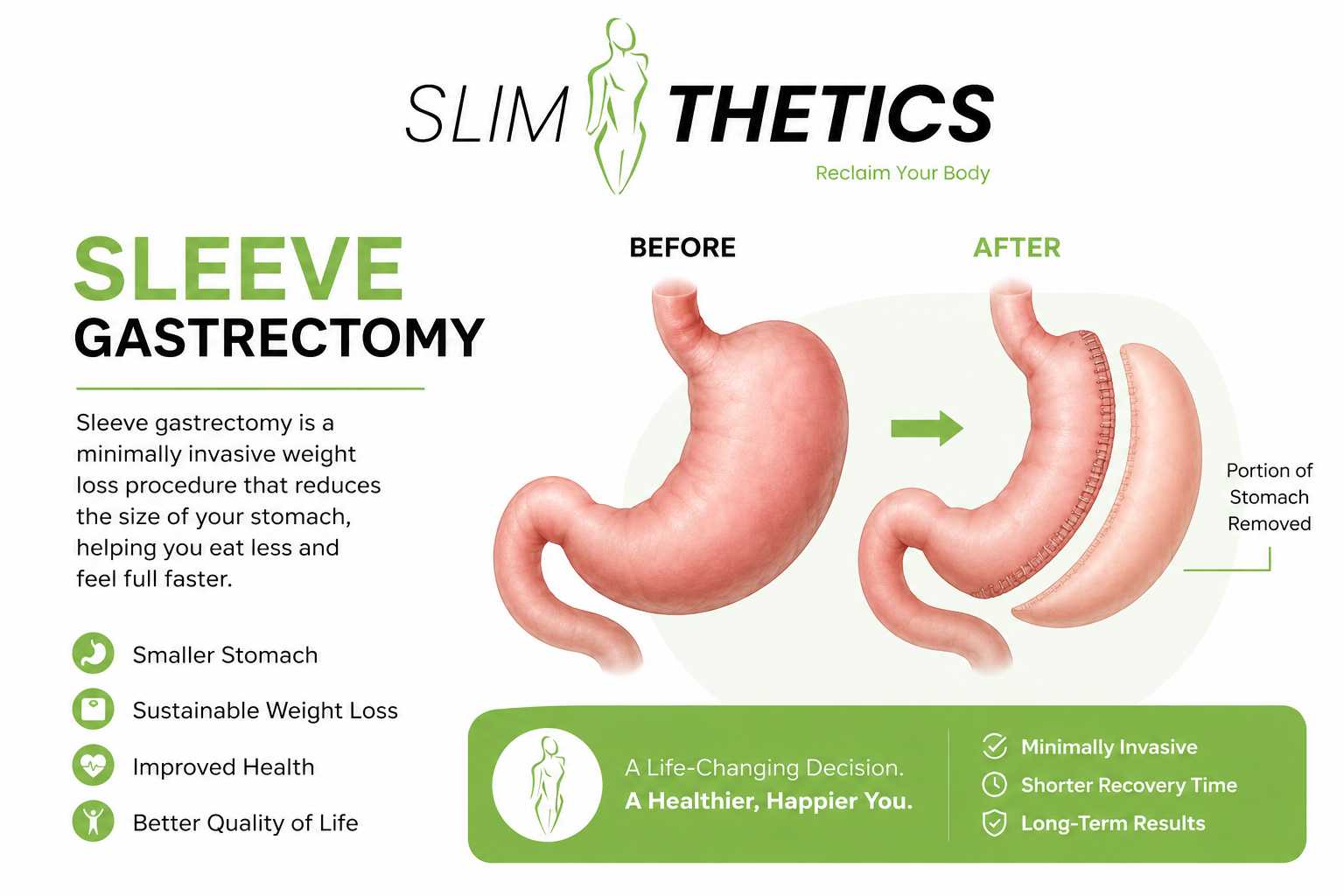
- Sleeve Gastrectomy
- Gastric Bypass Surgery
- Mini Gastric Bypass
- Revision Bariatric Surgery
Each procedure has its own recovery timeline, but all require commitment to healthy eating habits, regular physical activity, and long-term follow-up care.
How Long Does Recovery Usually Take?
Recovery is not the same for every patient. Age, medical history, surgical technique, and personal healing ability all influence how quickly someone can resume work.
Typical Recovery Timeline
- Hospital stay usually lasts 1–3 days.
- Walking begins within hours after surgery.
- Most patients feel significantly better within two weeks.
- Energy levels continue improving over several weeks.
- Full internal healing may take several months.
Although many people feel well fairly quickly, internal tissues continue healing long after external discomfort has disappeared.
Returning to Desk Jobs
Office-Based Employees
People with desk jobs generally recover faster because their work does not require heavy lifting or continuous physical activity.
Most office workers can return after:
- 2 to 4 weeks
- Once pain is minimal
- After stopping prescription pain medication
- When sitting comfortably for several hours
- With approval from their surgeon
Many patients initially choose shorter working hours before returning to a full-time schedule.
Returning to Physically Demanding Jobs
Jobs involving manual labor require additional healing time.
Examples include:
- Construction workers
- Warehouse employees
- Healthcare workers
- Factory staff
- Delivery personnel
These professions involve lifting, bending, pushing, pulling, and prolonged standing, which may place excessive strain on healing abdominal muscles.
Recommended recovery
- Usually 4–8 weeks
- Avoid lifting heavy objects
- Gradually increase activity
- Resume strenuous work only after medical clearance
Returning too early may increase the risk of hernias, wound complications, and delayed healing.
Factors That Affect Your Return to Work
Type of Bariatric Procedure
Different surgeries involve different recovery periods.
Sleeve Gastrectomy
- Often has a slightly shorter recovery.
- Many patients return within two to three weeks.
Gastric Bypass
- Recovery may take slightly longer.
- Internal healing requires additional care.
Revision Surgery
- Recovery may be extended depending on surgical complexity.
Your Overall Health
Patients with additional medical conditions may need extra recovery time.
Conditions that can influence healing include:
- Diabetes
- High blood pressure
- Heart disease
- Sleep apnea
- Nutritional deficiencies
Managing these conditions properly contributes to smoother recovery.
Your Physical Fitness Before Surgery
Patients who maintain some level of physical activity before surgery often recover more comfortably.
Benefits include:
- Better circulation
- Improved lung function
- Stronger muscles
- Faster mobility
- Reduced complication risk
Warning Signs That You Are Returning Too Soon
Even if you feel better, your body may still be healing internally.
Watch for symptoms such as:
- Increased pain
- Fatigue
- Fever
- Persistent nausea
- Wound drainage
- Dizziness
- Shortness of breath
If any of these symptoms occur, consult your surgeon immediately before continuing work.
Tips for a Smooth Return to Work
Planning ahead can make the transition easier.
Helpful strategies
- Discuss leave arrangements with your employer.
- Prepare healthy meals in advance.
- Keep a water bottle nearby.
- Walk briefly every hour.
- Avoid lifting heavy items.
- Follow your dietary stages carefully.
- Take prescribed vitamins consistently.
- Attend all follow-up appointments.
Small daily habits significantly improve recovery outcomes.
Managing Nutrition at Work
Healthy eating remains one of the most important aspects of recovery.
Pack nutritious meals
Choose foods such as:
- Lean chicken
- Fish
- Eggs
- Greek yogurt
- Cottage cheese
- Soft vegetables
- Protein shakes (if recommended)
Avoid:
- Sugary drinks
- Fried foods
- Carbonated beverages
- Large meal portions
- High-fat snacks
Eating slowly and chewing thoroughly helps prevent discomfort.
Staying Hydrated During Working Hours
Hydration supports healing and prevents fatigue.
Remember to:
- Sip water throughout the day.
- Avoid drinking during meals.
- Aim for your surgeon's recommended fluid intake.
- Reduce caffeine if advised.
Keeping hydration a priority improves concentration and overall recovery.
Exercise After Returning to Work
Returning to work does not replace physical activity.
Gradually include:
- Daily walking
- Light stretching
- Low-impact exercise
- Gentle strengthening exercises after medical approval
Avoid intense workouts until your surgeon confirms complete healing.
Emotional Adjustment After Surgery
Recovery is not only physical.
Patients often experience emotional changes as they adapt to:
- Rapid weight loss
- New eating habits
- Body image improvements
- Lifestyle adjustments
- Increased confidence
Support groups, counseling, and family encouragement can make this transition easier.
Long-Term Success After Bariatric Surgery
Returning to work is only one milestone in your weight-loss journey.
Long-term success depends on:
- Healthy nutrition
- Regular exercise
- Adequate sleep
- Routine medical follow-up
- Consistent vitamin supplementation
- Positive lifestyle habits
These habits help maintain weight loss and improve overall health for years to come.
Frequently Asked Questions
Can I drive before returning to work?
You should only drive once you are no longer taking prescription pain medication and can comfortably perform emergency movements.
Can I work from home during recovery?
Many patients with remote jobs can resume work earlier, provided they take regular breaks and follow their surgeon's recommendations.
Will I feel tired after returning to work?
Yes. Temporary fatigue is common during the first few weeks. Adequate hydration, balanced nutrition, and sufficient rest usually improve energy levels.
Can I lift heavy objects after surgery?
Heavy lifting should be avoided until your surgeon confirms that your abdominal muscles have healed adequately.
Is every patient's recovery the same?
No. Recovery varies depending on the procedure, medical history, age, occupation, and overall health.
Final Thoughts
Returning to work after bariatric surgery is an important step toward regaining independence and resuming normal life. While many people can safely return to office-based jobs within a few weeks, those with physically demanding occupations often require additional healing time. Listening to your body, following medical advice, and progressing gradually are essential for a successful recovery. Bariatric Surgery in Islamabad offers an effective solution for individuals struggling with obesity, but long-term success depends on patience, commitment, and healthy lifestyle changes after the procedure.
If you're considering weight loss surgery and want personalized guidance from experienced specialists, Slimthetics Clinic provides comprehensive bariatric care—from detailed consultations and advanced surgical techniques to nutritional counseling and long-term follow-up support. Our dedicated team focuses on helping every patient achieve safe, sustainable weight loss with compassionate, individualized care, making your journey toward a healthier life both confident and rewarding.

 English
 Arabic
 French
 Spanish
 Portuguese
 Deutsch
 Turkish
 Italiano
 Russian
 Romaian
 Portuguese (Brazil)
 Greek
Greek
