


The Importance of Balance and Proportion in Interior Lighting
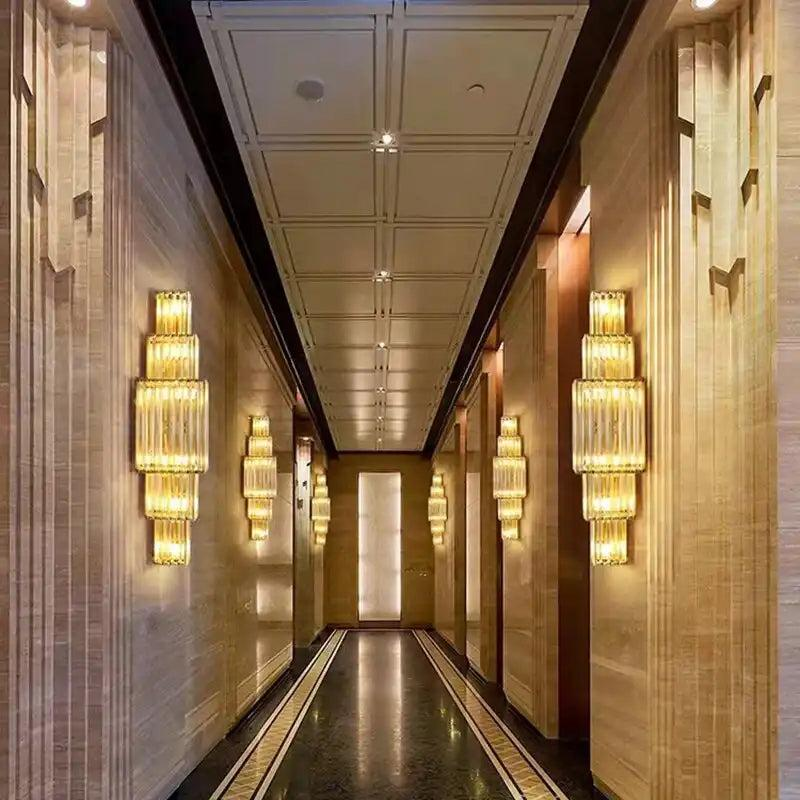
Lighting is often described as the invisible architecture of a space. It has the power to shape perception, define mood, and influence how a room is experienced. While color schemes, furniture, and materials tend to draw immediate attention, illumination quietly determines whether those elements succeed or fall flat. Among the many principles that guide effective lighting design, balance and proportion stand out as essential. Without them, even the most carefully curated interior can feel uncomfortable, chaotic, or incomplete.
Understanding Balance in Lighting
Balance in lighting refers to the even and thoughtful distribution of illumination within a space. It is not simply about ensuring that every corner is equally bright; rather, it involves creating a harmonious relationship between light and shadow. A well-balanced environment prevents harsh contrasts while still allowing for depth and visual interest. Incorporating elements such as Modern Chandeliers Dubai can further enhance this balance by introducing a central light source that complements surrounding fixtures while adding elegance and visual appeal.
There are different approaches to achieving equilibrium. Symmetrical arrangements, where fixtures are placed evenly on either side of a focal point, create a sense of order and stability. This approach works well in formal settings such as dining areas or traditional living rooms. On the other hand, asymmetrical arrangements rely on visual weight rather than identical placement. For example, a single statement lamp may be balanced by a cluster of smaller lights elsewhere. This method introduces dynamism and is often favored in contemporary interiors.
Balance also extends to brightness levels. Overly intense illumination in one area can strain the eyes and disrupt the atmosphere, while insufficient brightness in another can make a space feel neglected. Layering different types of lighting—ambient, task, and accent—helps distribute intensity more evenly. Ambient lighting provides general visibility, task lighting supports specific activities, and accent lighting highlights features such as artwork or textures. When these layers work together, the result is a cohesive and comfortable environment.
The Role of Proportion
Proportion relates to the size and scale of lighting elements in relation to the room and its contents. A fixture that is too large can overwhelm the space, while one that is too small may go unnoticed or fail to provide adequate illumination. Achieving proper proportion ensures that lighting complements rather than competes with other design elements.
Ceiling height plays a significant role in determining appropriate scale. In rooms with high ceilings, larger fixtures or multi-tiered designs can fill vertical space effectively and prevent the area from feeling empty. Conversely, in spaces with lower ceilings, compact or flush-mounted options maintain a sense of openness and prevent visual clutter.
Furniture arrangement also influences proportion. A large dining table, for instance, requires a fixture that can anchor it visually. If the lighting is too small, the table may appear disconnected from the rest of the room. Similarly, in a seating area, the size of floor or table lamps should correspond to the scale of sofas and chairs. Proper proportion creates a sense of unity, where every element feels appropriately placed.
Interplay Between Balance and Proportion
While balance and proportion are distinct concepts, they are closely interconnected. A well-proportioned fixture can still disrupt a space if it is not positioned thoughtfully, just as a balanced arrangement can fail if the elements involved are improperly scaled. Successful lighting design considers both principles simultaneously.
For example, imagine a large pendant light centered above a table. If its size is appropriate but the surrounding area lacks additional light sources, the room may feel unevenly illuminated. Adding complementary fixtures—such as wall-mounted lights or subtle floor lamps—helps distribute brightness and restore equilibrium. At the same time, these additions must be proportionate to avoid overcrowding the space.
Enhancing Functionality
Beyond aesthetics, balance and proportion significantly impact functionality. Lighting that is uneven or poorly scaled can hinder daily activities. In a workspace, insufficient task lighting may cause eye strain, while excessive glare can be equally problematic. Properly balanced illumination ensures that tasks can be performed comfortably and efficiently.
In kitchens, for instance, a combination of overhead lighting and focused illumination on work surfaces is essential. If one area is significantly brighter than another, it can create shadows that interfere with visibility. By carefully considering placement and intensity, designers can create an environment that supports both practicality and visual appeal.
Similarly, in bedrooms, balanced lighting contributes to relaxation. Soft, evenly distributed illumination creates a calming atmosphere, while disproportionate or overly bright fixtures can feel intrusive. Adjustable options, such as dimmable lights, allow for flexibility and help maintain harmony throughout different times of day.
Creating Mood and Atmosphere
Lighting plays a crucial role in establishing mood, and both balance and proportion are key to achieving the desired effect. A well-balanced scheme allows for subtle transitions between light and shadow, adding depth and character to a space. Proportion ensures that fixtures contribute to the overall aesthetic without overpowering it.
In living areas, a mix of light sources at different heights can create a layered effect that feels inviting and dynamic. For example, combining ceiling fixtures with table lamps and accent lighting introduces variation while maintaining cohesion. The result is an environment that feels both lively and comfortable.
In contrast, spaces intended for relaxation benefit from softer, more uniform illumination. Here, balance prevents harsh contrasts, while proportion ensures that fixtures blend seamlessly with the surroundings. The goal is to create a sense of tranquility, where lighting enhances rather than dominates the experience.
Avoiding Common Mistakes
A lack of balance and proportion often leads to common design issues. One frequent mistake is relying on a single central light source. While this approach may provide basic illumination, it rarely achieves the depth and versatility needed for a well-designed interior. The result is a flat and uninspiring environment.
Another issue is selecting fixtures based solely on appearance without considering scale. A striking design may look appealing in isolation but can feel out of place if it does not align with the room’s dimensions. Careful measurement and planning are essential to avoid such mismatches.
Overcrowding is another pitfall. Adding too many light sources in an attempt to improve brightness can create visual clutter and disrupt balance. Instead, thoughtful placement and appropriate intensity levels are more effective in achieving harmony.
The Influence of Natural Light
Natural light is an integral part of any lighting strategy, and its relationship with artificial illumination must be considered carefully. Daylight introduces variation throughout the day, affecting how a space is perceived. Achieving balance involves complementing natural light rather than competing with it.
Large windows or openings can serve as primary sources of brightness during daytime hours. Artificial lighting should then be adjusted to fill in gaps and maintain consistency as natural light changes. Proportion also plays a role, as fixtures must be selected to integrate seamlessly with the scale of windows and architectural features.
By harmonizing natural and artificial sources, designers can create environments that feel dynamic yet cohesive. This approach enhances both visual comfort and energy efficiency.
Adapting to Different Spaces
Each room presents unique challenges and opportunities when it comes to balance and proportion, especially when incorporating Decorative Lighting/اضاءة زينة. In compact areas, achieving equilibrium requires careful consideration of scale and placement. Smaller fixtures and strategic positioning help maximize functionality without overwhelming the space, while thoughtfully chosen decorative elements add both style and visual interest.
In larger areas, the challenge shifts to maintaining cohesion. Multiple light sources may be needed to prevent certain zones from feeling underlit. However, these elements must be proportionate and coordinated to avoid a fragmented appearance.
Transitional spaces, such as hallways or entryways, also benefit from thoughtful lighting. Balanced illumination ensures safe navigation, while proportionate fixtures contribute to a welcoming atmosphere. These areas often set the tone for the rest of the interior, making their design particularly important.
The Emotional Impact
Lighting influences not only how a space looks but also how it feels. Balanced and proportionate illumination can evoke a sense of comfort, stability, and well-being. Conversely, poorly executed lighting can create tension or unease, even if the underlying design is sound.
Humans are naturally drawn to environments that feel harmonious. When light is distributed evenly and elements are appropriately scaled, the result is a space that feels intuitive and pleasant. This emotional response underscores the importance of careful planning and attention to detail.
Conclusion
Balance and proportion are fundamental principles that shape the effectiveness of interior lighting. They ensure that illumination is both functional and aesthetically pleasing, creating environments that support daily activities while enhancing overall experience. By carefully considering distribution, scale, and the interplay between different light sources, it is possible to transform any space into one that feels cohesive, comfortable, and visually engaging.
Ultimately, successful lighting design is about more than simply adding brightness. It is about creating harmony—where every element works together to produce a unified and inviting atmosphere. Through thoughtful application of balance and proportion, interiors can achieve a level of refinement that elevates both form and function.

 Arabic
 French
 Spanish
 Portuguese
 Deutsch
 Turkish
 Dutch
Dutch
 Italiano
 Russian
 Romaian
 Portuguese (Brazil)
 Greek
Greek
