


OSHA 30 Hour Course Explained: What You Learn, How It Works, and Why It Matters for Safety Careers Online
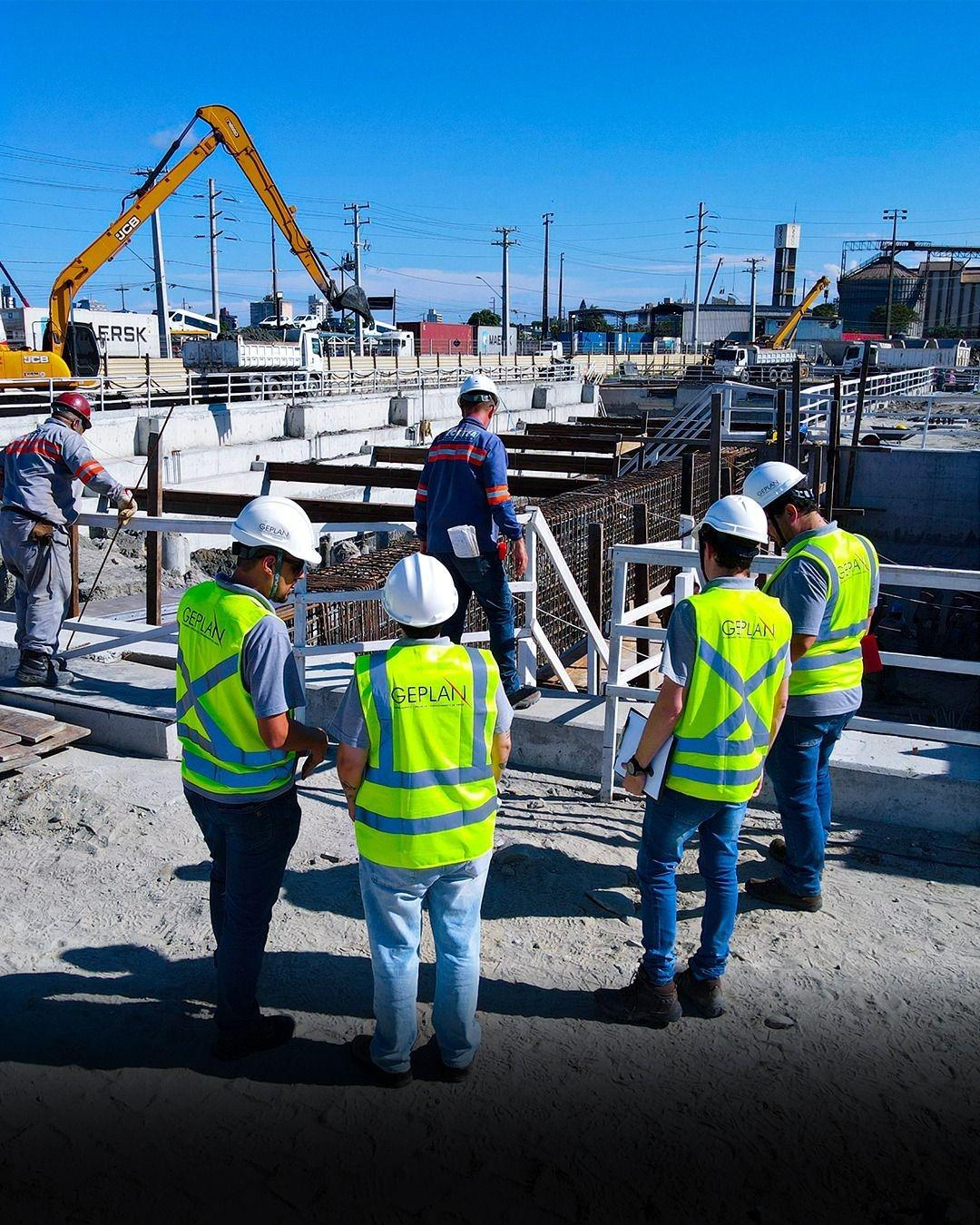
Workplaces today, whether construction sites, manufacturing plants, or warehouses, are becoming more safety-conscious than ever before. Yet, accidents still happen when workers are not fully aware of hazards or proper safety procedures. This is why structured safety training has become a core requirement in many industries.
Among the most recognized programs in occupational safety education is the OSHA 30 Hour Course, a foundational training designed to help workers and supervisors understand workplace hazards and prevention strategies in depth. It is often the first serious step for individuals who want to build a career in health and safety or move into supervisory roles where responsibility for others increases.
In real workplace settings, even a small oversight like ignoring protective equipment or misjudging equipment handling can lead to serious consequences. The OSHA 30 Hour Course helps learners recognize these risks early and respond with confidence.
What the OSHA 30 Hour Course Is and Who It Is For?
The OSHA 30 Hour Course is a comprehensive safety training program designed to provide extended awareness of occupational hazards, safety regulations, and prevention methods. Unlike basic safety orientations, this course goes deeper into identifying risks and understanding how to manage them effectively in real job environments.
It is primarily intended for:
-
Supervisors and team leaders
-
Safety officers and site managers
-
Workers in high-risk industries like construction and manufacturing
-
Individuals planning to enter safety-related careers
A common example can be seen on construction sites where foremen are responsible not just for their own safety but for entire crews. This course helps them understand how to enforce safety rules without disrupting workflow.
In many industries, completing this training is seen as a strong indicator that a person understands workplace responsibility beyond basic job tasks.
Why Workplace Safety Training Matters in Real Job Environments?
Workplace safety is not just a regulatory requirement. It directly affects human life, productivity, and long-term career stability. When employees are trained properly, incidents decrease and confidence increases.
A real-world example can be found in warehouse operations where forklifts, heavy loads, and fast-paced movement create constant risk. A trained worker can identify unsafe stacking practices or equipment misuse before an accident occurs.
Safety training like this also helps:
-
Reduce avoidable workplace injuries
-
Improve awareness of emergency response procedures
-
Encourage better communication between workers and supervisors
-
Create a culture where safety becomes a shared responsibility
Without structured training, many hazards go unnoticed until they result in incidents. This is where formal safety education becomes essential.
What You Learn in the OSHA 30 Hour Course?
The course is designed to cover a broad range of workplace safety topics. Instead of focusing on a single skill, it builds overall awareness that can be applied across multiple industries.
Core Learning Areas
Some of the main topics include:
-
Introduction to occupational safety standards
-
Hazard identification and risk control
-
Fall protection and prevention methods
-
Electrical safety basics
-
Personal protective equipment (PPE) usage
-
Fire prevention and emergency response
-
Health hazards and exposure control
-
Machine safety and equipment handling
Each topic is explained in a way that connects theory with real workplace situations. For example, fall protection is not just about wearing harnesses but understanding when and how fall risks appear during daily tasks.
Practical Understanding Over Memorization
One of the strengths of the course is its focus on practical awareness rather than memorizing rules. Learners are encouraged to think like safety observers who continuously evaluate their environment.
This helps workers develop a mindset where safety becomes part of routine decision-making instead of an afterthought.
How the OSHA 30 Hour Course Works in Practice?
The structure of the course is flexible, making it accessible for working professionals and students alike.
Learning Format
Most training programs are divided into modules that can be completed over several days. Each module focuses on a specific safety topic and includes explanations, examples, and assessments.
The learning process typically includes:
-
Video lectures or instructor-led sessions
-
Reading materials and safety guides
-
Interactive case studies
-
Knowledge checks or quizzes
Duration and Pace
Although it is called a 30-hour course, learners can complete it at their own pace depending on the training provider. Some finish it within a week, while others spread it out over a longer period to absorb the content more effectively.
Assessment Approach
At the end of the course, participants usually complete a final assessment. This is not designed to be overly difficult but to ensure understanding of key safety concepts.
The goal is not just certification but practical readiness to apply safety principles in real work environments.
Workplace Hazards You Learn to Identify
A major benefit of this training is the ability to recognize hazards that are often overlooked in daily work routines.
Physical Hazards
These include slipping, falling, or being struck by objects. For example, a wet floor in a factory walkway may seem minor but can lead to serious injuries if ignored.
Chemical Hazards
Exposure to harmful substances such as cleaning agents or industrial chemicals is another important area of focus.
Electrical Hazards
Faulty wiring or improper use of electrical tools can lead to shocks or fire risks.
Mechanical Hazards
Machines with moving parts require strict safety protocols. The course teaches how to avoid entanglement or crush injuries.
By understanding these hazards, workers become more alert and proactive in preventing accidents before they occur.
Skills You Develop Beyond Safety Knowledge
The training is not limited to technical safety rules. It also builds important workplace skills that are valuable across industries.
Improved Decision Making
Learners become more aware of consequences and learn to evaluate risks before taking action.
Communication Skills
Safety often depends on clear communication. Reporting hazards or guiding coworkers becomes more structured and confident.
Responsibility and Leadership Awareness
Even entry-level workers gain a better understanding of how their actions affect others on the team.
A simple example is a site worker who notices unsafe scaffolding and reports it immediately instead of ignoring it. This small action can prevent major accidents.
Career Relevance of Safety Training
Safety knowledge is increasingly valued in industries where compliance and risk management are critical. Completing structured training can support career development in roles such as:
-
Safety assistant or coordinator
-
Site supervisor
-
Construction foreman
-
Industrial safety technician
-
Warehouse operations supervisor
Employers often prefer candidates who understand safety procedures because it reduces training time and improves workplace reliability.
Even for individuals not directly working in safety departments, this knowledge strengthens professional credibility.
Training Pathways and Learning Direction
As interest in safety education grows, many learners explore different institutes and formats based on flexibility, teaching style, and content depth. Choosing the right learning pathway depends on how well the program explains real-world applications rather than just theoretical material.
Quality programs usually focus on interactive learning, updated safety standards, and practical examples that reflect modern workplace conditions.
In this context, many learners also explore OSHA Courses Online as a flexible way to access structured training without being tied to a physical classroom. This format allows working professionals and students to learn at their own pace while still covering the essential safety principles needed for workplace readiness.
FAQs
What is the purpose of the OSHA 30 Hour Course?
The course is designed to improve awareness of workplace hazards and teach practical safety measures for workers and supervisors.
Who should take this course?
It is suitable for supervisors, safety officers, construction workers, and anyone involved in higher-risk job environments.
Is the course difficult to complete?
The course is structured for learning rather than testing difficulty. Consistent attention to the material is usually enough to complete it successfully.
Does this training help in career development?
Yes, it improves job readiness and is valued in industries where safety compliance is important.
Can beginners take this course?
Yes, beginners can take it, especially if they are entering industries like construction or manufacturing.
Conclusion
The OSHA 30 Hour Course plays an important role in shaping safer workplaces by building awareness, responsibility, and practical safety understanding. It goes beyond basic instruction by helping learners recognize hazards, respond effectively, and contribute to safer job environments.
For individuals aiming to grow in safety-related careers or improve their understanding of workplace risk management, this training offers a strong foundation that supports long-term professional development.

 English
 Arabic
 French
 Portuguese
 Deutsch
 Turkish
 Dutch
Dutch
 Italiano
 Russian
 Romaian
 Portuguese (Brazil)
 Greek
Greek
