


Hypothyroidism Symptoms vs Normal Aging: How to Tell the Difference
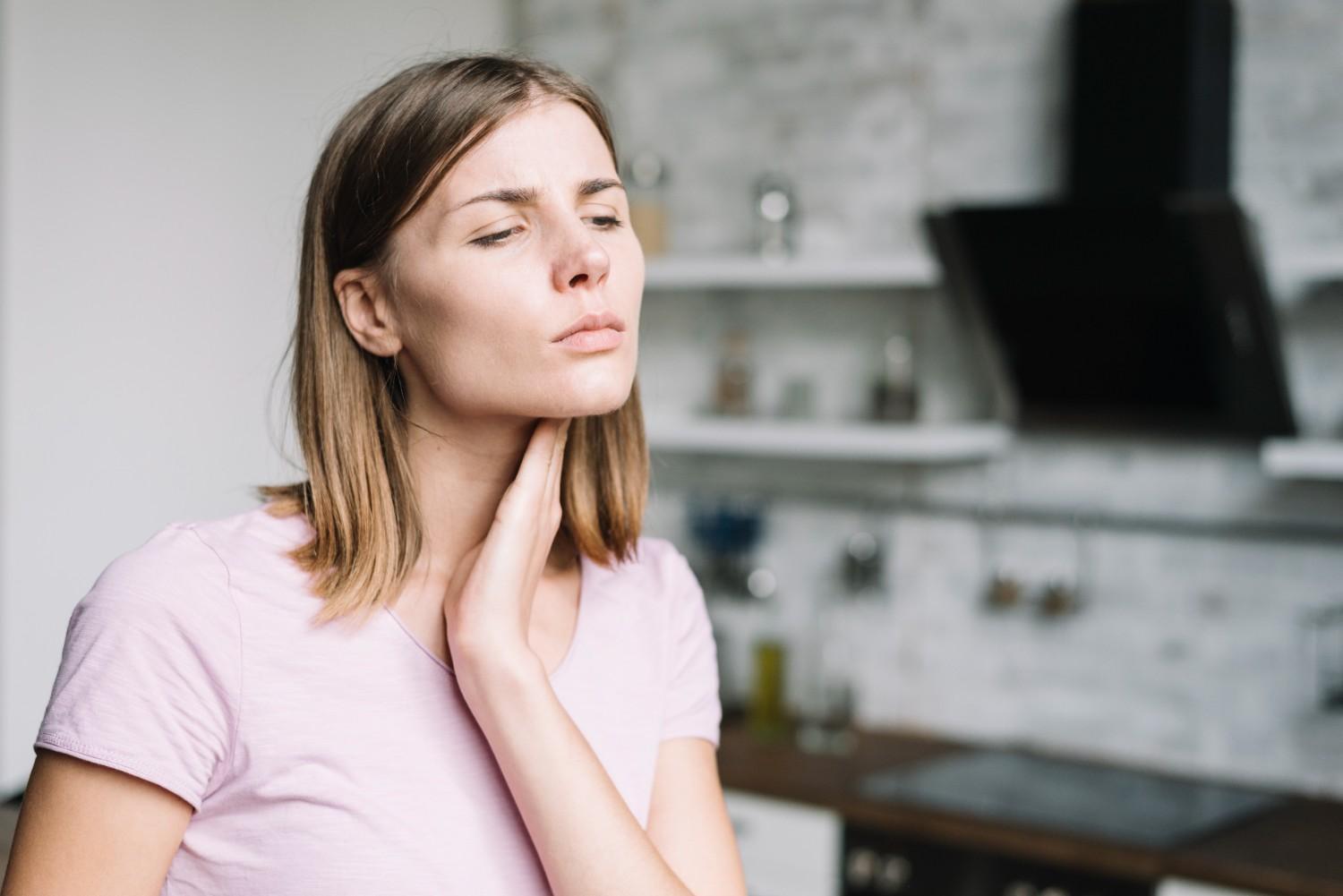
Many people assume that feeling tired, gaining weight, or becoming forgetful is simply part of getting older. While aging naturally brings certain physical changes, not every symptom should be accepted as normal. An underactive thyroid can produce many of the same signs, making it difficult to distinguish between age-related changes and hypothyroidism symptoms. Understanding the differences can help you recognize when your body may be signaling a health condition rather than the natural aging process.
The thyroid gland plays a vital role in controlling metabolism, body temperature, heart rate, digestion, muscle function, and brain activity. When it produces too little thyroid hormone, these body functions begin to slow down. Because the symptoms often develop gradually, many individuals mistakenly believe they are simply experiencing the effects of growing older.
Why the Confusion Happens
Normal aging and hypothyroidism share several similarities.
Both can involve:
-
Reduced energy
-
Slower metabolism
-
Mild memory changes
-
Muscle weakness
-
Dry skin
The difference is that hypothyroidism symptoms often occur in combinations, continue to worsen over time, and interfere with daily activities more than expected.
Recognizing this distinction is essential for timely medical evaluation.
Fatigue: More Than Just Getting Older
Feeling slightly less energetic with age can be expected, but persistent exhaustion is different.
Fatigue related to hypothyroidism often includes:
-
Waking up tired every morning
-
Feeling exhausted after minor activities
-
Needing frequent daytime rest
-
Difficulty completing normal routines
-
No improvement despite adequate sleep
When fatigue consistently limits everyday life, it should not be dismissed as aging alone.
Weight Gain That Doesn't Match Your Lifestyle
As people age, metabolism naturally slows.
However, unexplained weight gain despite maintaining similar eating habits and activity levels may be one of the hypothyroidism symptoms that deserves attention.
Many individuals notice:
-
Gradual weight increase
-
Difficulty losing weight
-
Reduced calorie burning
-
Lower exercise tolerance
These changes are often accompanied by additional thyroid-related symptoms.
Memory Changes: Normal Forgetfulness or Brain Fog?
Occasional forgetfulness happens to everyone, especially with increasing age.
Brain fog caused by hypothyroidism is usually more noticeable because it affects:
-
Concentration
-
Decision-making
-
Task organization
-
Mental processing speed
-
Daily productivity
Persistent cognitive changes alongside physical symptoms should be medically evaluated.
Cold Intolerance Is Not a Typical Part of Aging
Although some older adults prefer warmer temperatures, constantly feeling cold may indicate thyroid dysfunction.
People with hypothyroidism may experience:
-
Cold hands
-
Cold feet
-
Wearing heavy clothing indoors
-
Feeling chilled while others remain comfortable
Cold intolerance is one of the classic hypothyroidism symptoms that should not be ignored.
Skin Changes Can Reveal Important Clues
Aging naturally affects skin texture, but thyroid-related skin changes often appear more pronounced.
People may notice:
-
Persistent dryness
-
Rough skin
-
Flaking
-
Reduced skin softness
-
Itching
When these changes occur together with fatigue or weight gain, thyroid health becomes an important consideration.
Hair Loss Beyond Everyday Shedding
Hair naturally becomes thinner with age.
However, hypothyroidism may contribute to:
-
Increased hair shedding
-
Brittle hair
-
Slower hair growth
-
Thinning eyebrows
-
Reduced hair volume
These visible changes often develop gradually and may accompany other hypothyroidism symptoms.
Digestive Changes May Indicate More Than Aging
Digestive function can slow slightly over time, but persistent constipation deserves attention.
Hypothyroidism may cause:
-
Chronic constipation
-
Slow bowel movements
-
Bloating
-
Feeling overly full after meals
If digestive symptoms continue despite healthy habits, thyroid function should also be considered.
Muscle Weakness and Stiffness
Growing older can affect muscle strength, but hypothyroidism often produces additional symptoms.
Individuals may experience:
-
Frequent muscle cramps
-
Joint stiffness
-
Reduced endurance
-
Slower recovery after activity
-
Difficulty performing routine movements
These symptoms usually occur alongside other physical changes.
Mood Changes Shouldn't Be Ignored
Emotional health can also be affected by thyroid hormone levels.
People with hypothyroidism sometimes notice:
-
Low motivation
-
Feeling emotionally flat
-
Increased irritability
-
Difficulty managing stress
-
Less enjoyment of everyday activities
Recognizing these emotional hypothyroidism symptoms is just as important as recognizing physical signs.
Looking at the Complete Pattern
The key difference between aging and hypothyroidism is that thyroid dysfunction usually affects several body systems at once.
For example, someone experiencing:
-
Fatigue
-
Weight gain
-
Dry skin
-
Constipation
-
Brain fog
-
Cold intolerance
is more likely to benefit from thyroid evaluation than someone experiencing only one isolated symptom.
Looking at the complete pattern provides a clearer understanding of overall health.
When Should You Speak With a Healthcare Professional?
If symptoms continue for several weeks, become progressively worse, or interfere with your daily life, medical evaluation is recommended.
Healthcare providers may recommend thyroid function testing when multiple hypothyroidism symptoms are present.
Early assessment helps identify the cause and supports appropriate management.
Supporting Healthy Aging
Healthy lifestyle habits benefit people of every age.
Helpful practices include:
-
Eating a nutritious diet
-
Staying physically active
-
Maintaining a regular sleep schedule
-
Drinking enough water
-
Managing stress effectively
-
Scheduling routine health checkups
These habits promote overall wellness while supporting healthy body function.
Conclusion
Growing older naturally brings certain physical changes, but persistent hypothyroidism symptoms should never be dismissed as a normal part of aging. Ongoing fatigue, unexplained weight gain, constipation, brain fog, dry skin, cold intolerance, and muscle weakness may indicate that your thyroid is not producing enough hormones.
Understanding the difference between age-related changes and thyroid dysfunction allows you to seek timely medical advice when necessary. Paying attention to patterns rather than isolated symptoms is one of the best ways to protect your long-term health and well-being.
FAQs
1. How can I tell if fatigue is caused by aging or hypothyroidism?
Fatigue that is persistent, affects daily activities, and occurs alongside other hypothyroidism symptoms should be medically evaluated.
2. Is feeling cold a normal part of getting older?
Not always. Persistent cold intolerance, especially when combined with other symptoms, may indicate an underactive thyroid.
3. Can hypothyroidism and aging cause similar symptoms?
Yes. Both can share signs such as fatigue and slower metabolism, which is why proper medical evaluation is important.
4. Why is it important to recognize the difference early?
Identifying thyroid-related symptoms early allows healthcare professionals to determine whether an underlying thyroid condition is contributing to your health concerns.

 English
 Arabic
 French
 Portuguese
 Deutsch
 Turkish
 Dutch
Dutch
 Italiano
 Russian
 Romaian
 Portuguese (Brazil)
 Greek
Greek
