


How Dubai's Extreme Heat Impacts Roof Waterproofing Performance
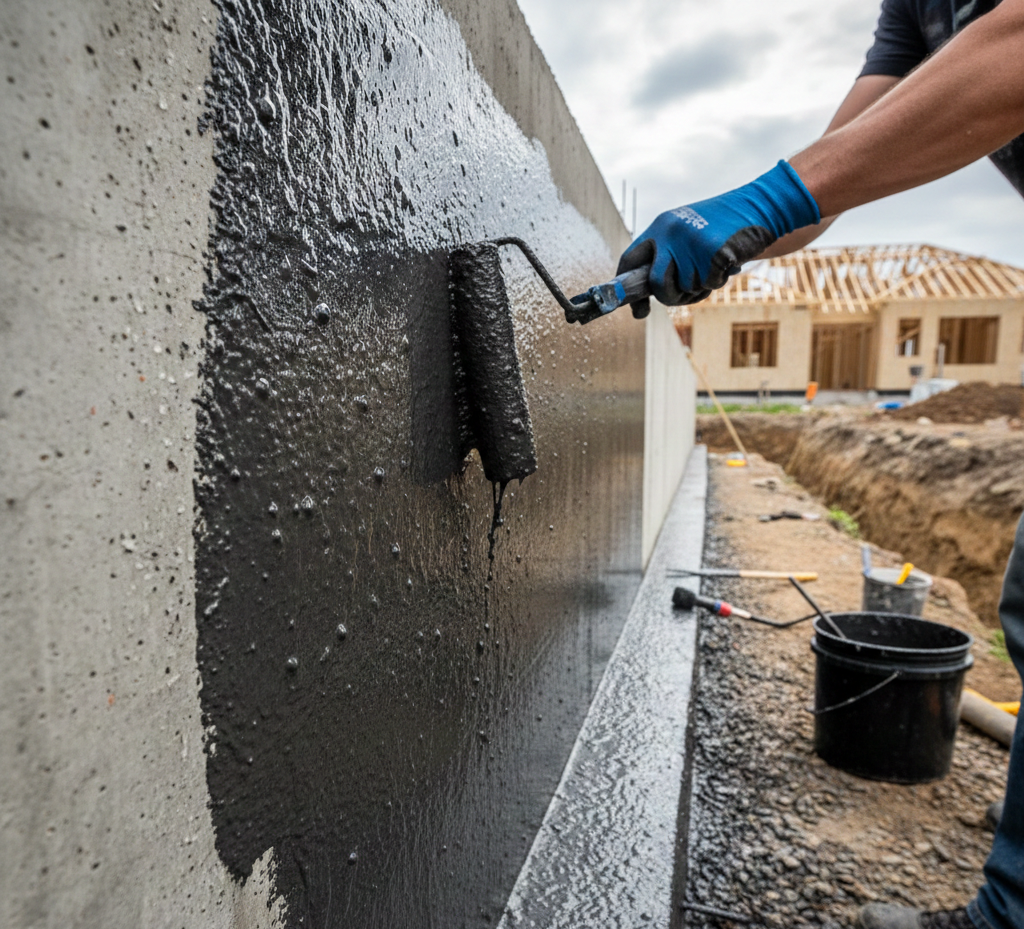
Dubai is known for its modern skyline, luxurious developments, and year-round sunshine. However, behind the city's architectural beauty lies one of the toughest environmental challenges for buildings—extreme heat. With summer temperatures regularly exceeding 45°C and roof surfaces becoming significantly hotter, building owners face serious concerns regarding roof durability and protection.
One of the most affected building components is the roofing system, particularly its waterproofing layer. Without proper protection, prolonged exposure to intense heat can weaken waterproofing membranes, increase maintenance costs, and lead to costly structural damage. This is why investing in professional Waterproofing solutions has become essential for residential, commercial, and industrial properties throughout the UAE.
Understanding Dubai's Harsh Climate Conditions
Dubai's climate presents a unique combination of challenges:
-
Extremely high temperatures during summer
-
Strong UV radiation throughout the year
-
Significant thermal expansion and contraction cycles
-
Occasional heavy rainfall and storms
-
High humidity levels near coastal areas
These environmental factors continuously stress roofing systems, making waterproofing performance a critical factor in maintaining building integrity.
How Extreme Heat Affects Roof Waterproofing Systems
Thermal Expansion and Contraction
One of the biggest threats to roof waterproofing is thermal movement.
During the day, roof surfaces absorb intense solar radiation and expand. At night, temperatures drop, causing the materials to contract. This constant expansion and contraction create stress on waterproofing membranes.
Over time, this can result in:
-
Cracks in waterproofing layers
-
Joint separation
-
Membrane fatigue
-
Reduced adhesion to roof substrates
Buildings that lack high-quality waterproofing systems often experience premature failures due to these thermal cycles.
Accelerated Material Aging
Extreme heat speeds up the aging process of roofing materials.
When waterproofing membranes are exposed to prolonged high temperatures, their chemical composition gradually deteriorates. This leads to:
-
Loss of flexibility
-
Surface brittleness
-
Reduced elasticity
-
Lower resistance to environmental stress
Modern property owners increasingly rely on specialized Waterproofing Dubai solutions designed specifically for the region's climate conditions to combat these challenges.
UV Radiation Damage
Dubai receives intense sunlight throughout the year.
Ultraviolet (UV) rays can significantly degrade waterproofing membranes if they are not designed to withstand continuous exposure. UV damage often appears as:
-
Surface cracking
-
Chalk formation
-
Material discoloration
-
Reduced waterproofing efficiency
Advanced waterproofing systems incorporate UV-resistant technologies that help extend roof lifespan and reduce maintenance requirements.
Common Signs of Heat-Related Waterproofing Failure
Property owners should regularly inspect roofs for warning signs such as:
Surface Cracks
Visible cracks on roofing membranes often indicate heat-related stress and aging.
Water Leakage
Small waterproofing failures can eventually allow water infiltration during rainfall, leading to interior damage.
Blister Formation
Heat can cause trapped moisture or air beneath membranes to expand, creating blisters and weak points.
Peeling or Delamination
Excessive temperatures may weaken adhesive bonds, causing waterproofing layers to separate from the roof surface.
Early identification of these issues can prevent costly repairs and major structural problems.
Why Roof Waterproofing Is More Important Than Ever
As Dubai continues to experience rising temperatures and urban development growth, the demand for durable roofing protection is increasing.
Effective waterproofing offers several benefits:
-
Protects structural components
-
Extends roof lifespan
-
Reduces maintenance costs
-
Improves energy efficiency
-
Prevents mold and moisture-related issues
-
Enhances property value
Many facility managers now prioritize climate-adapted roofing systems to improve long-term building performance.
Modern Waterproofing Technologies for Hot Climates
Heat-Resistant Membranes
Advanced waterproofing membranes are specifically engineered to withstand extreme temperature fluctuations without losing flexibility.
Reflective Roofing Systems
Reflective coatings reduce heat absorption by reflecting solar radiation away from the roof surface.
Benefits include:
-
Lower roof temperatures
-
Reduced thermal stress
-
Improved waterproofing longevity
-
Better energy efficiency
Liquid-Applied Waterproofing Solutions
Liquid waterproofing systems create seamless protective barriers that minimize weak points and improve durability under harsh environmental conditions.
Hybrid Waterproofing Systems
Many modern projects combine multiple waterproofing technologies to achieve superior protection against both heat and water penetration.
Building owners seeking long-term protection often consult specialists such as Organix Building System for tailored waterproofing strategies suitable for local environmental conditions.
The Financial Impact of Ignoring Waterproofing Performance
Failing waterproofing systems can result in significant financial consequences.
Potential costs include:
-
Roof replacement expenses
-
Interior repair costs
-
Electrical system damage
-
Mold remediation
-
Business interruptions
-
Increased energy bills
A proactive waterproofing strategy is often far more cost-effective than dealing with extensive repairs after damage occurs.
Industry Trends Driving Better Waterproofing Solutions
The waterproofing industry continues to evolve to address the challenges posed by extreme climates.
Current trends include:
Sustainable Waterproofing Materials
Eco-friendly waterproofing systems are becoming increasingly popular due to their durability and environmental benefits.
Smart Inspection Technologies
Drone inspections and thermal imaging help identify waterproofing issues before visible damage occurs.
Energy-Efficient Roofing Systems
Property developers are integrating waterproofing and insulation technologies to improve overall building performance.
Climate-Specific Engineering
Manufacturers are now developing waterproofing products specifically designed for Gulf-region weather conditions, improving reliability and service life.
Best Practices for Maximizing Roof Waterproofing Performance
To ensure long-term roof protection, property owners should:
-
Schedule regular roof inspections
-
Address minor damage immediately
-
Choose climate-appropriate waterproofing materials
-
Work with experienced waterproofing specialists
-
Maintain proper drainage systems
-
Perform preventive maintenance annually
These practices help extend waterproofing lifespan while reducing long-term ownership costs.
Conclusion
Dubai's extreme heat presents a significant challenge for roof waterproofing systems. Constant thermal expansion, UV exposure, and elevated temperatures can accelerate material deterioration and increase the risk of leaks and structural damage.
Investing in high-quality waterproofing solutions designed specifically for harsh Gulf climates is no longer optional—it's essential. By selecting the right materials, implementing preventive maintenance strategies, and partnering with experienced professionals, property owners can protect their buildings, reduce repair expenses, and ensure long-lasting roof performance.
As Dubai continues to grow and evolve, reliable roof waterproofing will remain one of the most important investments for safeguarding valuable real estate assets against the region's demanding environmental conditions.

 English
 Arabic
 French
 Portuguese
 Deutsch
 Turkish
 Dutch
Dutch
 Italiano
 Russian
 Romaian
 Portuguese (Brazil)
 Greek
Greek
