


Understanding the Implications of Bike Tire Pressure
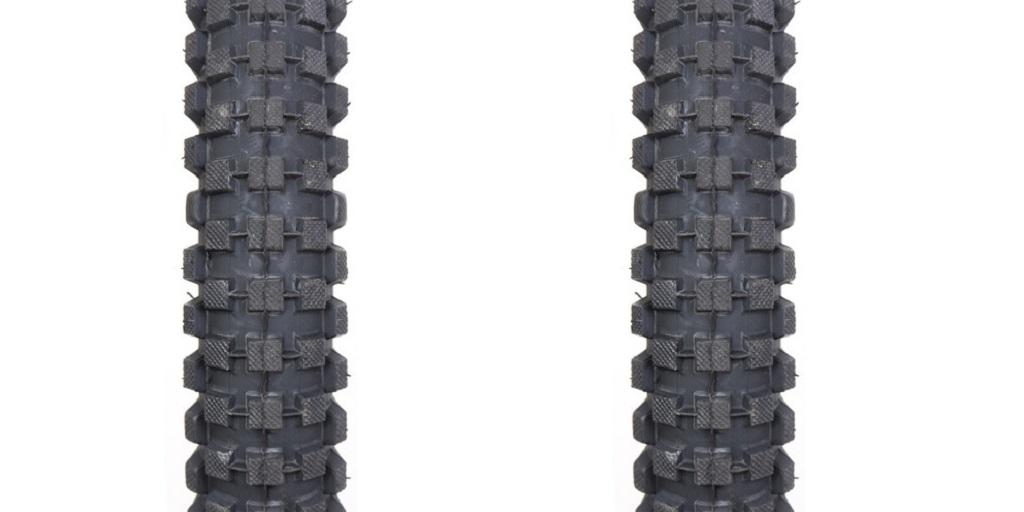
Setting your bike’s tire pressure to the right PSI given the tire width, the ground conditions, and the temperature, is not just about the comfort of the ride and the handling of the bike. It is about speed, energy consumption, tire life, and so much more.
Let’s take a closer look at the implications of setting bike tire pressure right.
Rolling Resistance As Determined by Casing and Impedance Losses
There are two main factors that cause rolling resistance, which, in effect, make it difficult for a cyclist to attain a higher speed. These are casing losses and impedance losses.
Casing losses constitute the energy lost when the tire is deflected and loses heat. Impedance losses are incurred when the tire moves up or down on impact with an irregularity on the riding surface, or on contact with an obstacle.
Pneumatic tires, like bike tires, have a certain ability to absorb impedance losses because they are flexible and literally conform to the irregularities; the lower the tire pressure, the more energy is absorbed by the tire itself.
Conventional wisdom suggests that higher pressures are faster on the road, and up to a point, this is true. However, high pressures only pay dividends when the riding surface is exceptionally smooth. In the real world, and as vetted by testing, the road is not perfect and excessive tire pressures can cause casing losses to become the leading cause of rolling resistance.
In layman’s terms, there is a “breakpoint” pressure to which tires should be inflated which balances casing and impedance losses, making it possible to attain the highest speeds at the lowest output of energy.
Also, it is important to understand that it’s not just the conditions of the surface on which you’re riding, but the size of your tires, the total weight of your system, and your bike itself, which impact what your tire pressure should ultimately be.
Tire Size and Ground Conditions
With this being said, it is generally true that narrow street tires should be run at higher pressures than wider gravel or mud tires.
And, on top of that, the softer the ground conditions, the lower the PSI should be set to. Pneumatic bike tires set to very high pressures on soft ground will dig into the ground and less traction.
You want a wider contact patch on softer ground; that will help prevent the tire from sinking in, and instead it will spread out over the surface and provide far better traction overall.
Here for New Bike Tires?
If you landed here because you’re looking for new bike tires, get them online at Unicycle.com. Don’t let the name fool you; they carry a whole lot of essentials for cyclists from all backgrounds, and that includes safety gear, bike tools, bike tires, parts and so much more.
Visit their website and get in touch with them if you have any more questions about bike tire pressure or the tires themselves before buying. They will gladly help you out.
For more information about Square Taper Crank and Single wheel cycle Please visit: unicycle.com.

 English
 Arabic
 French
 Spanish
 Portuguese
 Deutsch
 Turkish
 Dutch
Dutch
 Italiano
 Russian
 Portuguese (Brazil)
 Greek
Greek
