


Bathroom Faucet Repair: How a Small Drip Can Quietly Raise Your Water Bill Each Month
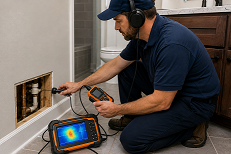
A slow drip might not feel urgent, but putting off bathroom faucet repair can end up costing homeowners much more than they realize. That steady “drip…drip…drip” is more than just annoying. It wastes water, raises your utility bills, and could be an early sign of a bigger plumbing problem behind your walls.
If you live in Spring Lake, NJ, where many homes have older plumbing, it’s important to fix a leaking faucet before it turns into an expensive problem. Whether your faucet drips all the time, leaks from the handle, or makes odd sounds, knowing what’s causing it can help you make better choices and keep your home safe from water damage.
Why a Dripping Bathroom Faucet Should Never Be Ignored
The U.S. Environmental Protection Agency (EPA) says that a faucet leaking just one drip per second can waste over 3,000 gallons of water each year. That’s enough for hundreds of showers and can quietly drive up your monthly water bill.
A leaking faucet may also indicate the following:
-
Worn-out internal seals or cartridges.
-
Loose plumbing connections.
-
Mineral buildup from hard water.
-
Corrosion inside the faucet body.
-
Hidden pressure issues affecting your entire bathroom plumbing system.
If you ignore these warning signs, you may end up needing bigger repairs later, especially in older homes where plumbing parts have worn out over time.
The Hidden Costs of Delaying Bathroom Faucet Repair
Higher Water Bills
Even a minor bathroom faucet dripping continuously wastes water around the clock. What seems insignificant today can add hundreds of dollars in unnecessary utility costs over several years.
Water Damage Around Cabinets and Counters
Leaks don’t always go straight into the sink. Water that escapes under the handle or base can soak your countertops, cabinets, drywall, and floors. Moisture in these spots can lead to mold and damage to wood.
Increased Wear on Plumbing Fixtures
A leaking faucet puts constant stress on its internal parts. Over time, more parts can fail, turning a simple fix into a full faucet replacement.
Reduced Home Value
People looking to buy your home often spot plumbing problems during inspections. Even a few small leaks can make it seem like the property hasn’t been well maintained.
Common Causes of Bathroom Faucet Leaks
Knowing what’s causing the leak helps you figure out the right way to fix it.
Worn Washers and O-Rings
Rubber washers and O-rings wear out over time as you use the faucet.
Damaged Cartridge
Modern faucets use cartridges to control water flow. When these wear out, drips are more likely.
Loose Packing Nuts
If the packing nut is loose, water can leak around the faucet handle instead of coming out of the spout.
Mineral Deposits
Hard water can leave calcium deposits inside the faucet, which stops the seals from closing as they should.
High Water Pressure
If your home’s water pressure is too high, it can push water past good seals and cause the faucet to drip off and on.
Warning Signs Your Bathroom Plumbing Needs Professional Attention
A faucet leak is sometimes only one symptom of a larger bathroom plumbing problem.
Watch for:
-
Water leaking from the base of the faucet.
-
Rust-colored water.
-
Low water pressure.
-
Whistling or banging noises.
-
Slow-draining sinks.
-
Visible corrosion around fixtures.
-
Persistent moisture beneath the vanity.
These signs might mean there are problems beyond just the faucet, like issues with supply lines or hidden plumbing connections.
If the problem is bigger than just the faucet, getting a professional repair and a full plumbing inspection can help stop leaks from coming back. Many homeowners can fix several issues at once with a single service visit.
Bathroom Plumbing Venting: An Often-Overlooked Factor
Many homeowners aren’t familiar with bathroom plumbing venting, but it’s important for how well your plumbing works.
A properly functioning vent system:
-
Balances air pressure inside drain pipes.
-
Allows wastewater to flow efficiently.
-
Helps prevent slow drainage.
-
Reduces unusual plumbing noises.
-
Minimizes pressure fluctuations that can affect fixtures.
Venting problems don’t usually cause faucet leaks directly, but they can lead to other plumbing issues that should be checked out.
Can You Fix a Dripping Faucet Yourself?
Some homeowners can fix small problems themselves, especially when it comes to replacing worn washers or cartridges.
General steps include:
-
Shut off the water supply.
-
Remove the faucet handle carefully.
-
Inspect washers, cartridges, and O-rings.
-
Replace worn components with matching parts.
-
Reassemble the faucet.
-
Restore water and test for leaks.
But DIY repairs get harder if there’s corrosion, stuck parts, or hidden valve damage. If repairs aren’t done right, the leak could get worse or the faucet could be damaged.
Real-World Example
A homeowner in Spring Lake noticed a slow drip from their faucet but ignored it for months because it seemed like a small problem.
During a routine plumbing inspection, technicians discovered:
-
A worn cartridge.
-
Mineral buildup restricting water flow.
-
Moisture beneath the vanity damaging the cabinet flooring.
What started as a simple drip ended up needing cabinet repairs and a new faucet. Fixing the problem sooner would have avoided extra damage and kept costs down.
This situation illustrates why prompt bathroom faucet repair is almost always the more economical choice.
Preventing Future Bathroom Faucet Problems
Regular maintenance helps your plumbing fixtures last longer.
Helpful habits include:
-
Check faucets monthly for small leaks.
-
Clean aerators every few months.
-
Avoid overtightening handles.
-
Watch for changes in water pressure.
-
Address small drips immediately.
-
Schedule periodic plumbing inspections for older homes.
Preventive maintenance often costs significantly less than repairing water damage later.
Frequently Asked Questions
Why is my bathroom faucet still dripping after replacing the washer?
A worn cartridge, damaged valve seat, loose packing nut, or mineral buildup may still be allowing water to pass through. Replacing the washer alone doesn’t solve every type of faucet leak.
How do I know if I need to replace the entire faucet or just repair it?
If the faucet itself is in good shape and you can get replacement parts, a repair is often enough. But if there’s a lot of corrosion, cracks, or old fixtures, or you’ve had to fix it many times, replacing it might be a better long-term choice.
Why is my single-handle faucet leaking from the bottom of the handle base?
This often means there’s a worn cartridge, a damaged O-ring, or a loose retaining nut. A professional can check if any inside parts need to be replaced.
Why is my bathroom faucet making a loud thumping or whistling noise?
Air in the pipes, high water pressure, worn parts, or vent problems can all cause strange noises when you use the faucet.
Can low water pressure in the bathroom be fixed during a faucet repair?
Yes. During bathroom faucet repair, plumbers often identify clogged aerators, mineral deposits, damaged cartridges, or supply line issues that contribute to reduced water pressure.
Final Thoughts
A small faucet drip rarely stays small for long. Delaying bathroom faucet repair can lead to higher water bills, hidden water damage, unnecessary fixture replacement, and larger plumbing expenses.
If you fix leaks early, keep up with bathroom plumbing maintenance, and watch for warning signs like strange noises, low pressure, or constant dripping, you can avoid costly repairs and protect one of the most-used rooms in your home.
If you have a leaking faucet or think there might be a hidden plumbing problem, the team at Clancy Plumbing & Heating can check it out, suggest the best fix, and help get your plumbing working right again. Schedule your service today to stop that costly drip before it becomes a bigger issue.

 English
 Arabic
 French
 Spanish
 Portuguese
 Deutsch
 Turkish
 Italiano
 Russian
 Romaian
 Portuguese (Brazil)
 Greek
Greek
