


Environmental Regulation in Mexico Explained: A Complete Guide to Sustainability Compliance for Manufacturers
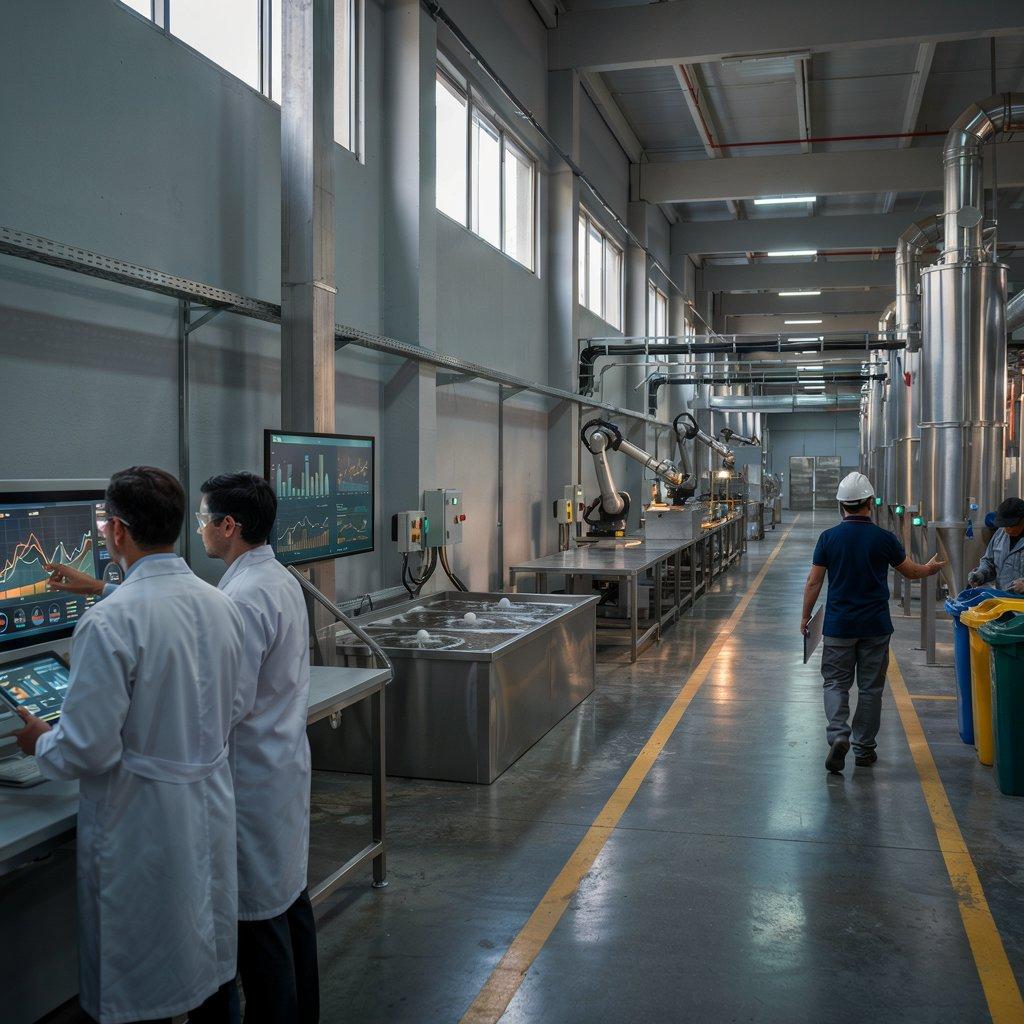
As Mexico continues to strengthen its position as one of North America's leading manufacturing hubs, environmental compliance has become a key consideration for companies sourcing products or establishing production partnerships in the country. The growth of nearshoring has brought increased investment across industries such as automotive, electronics, aerospace, medical devices, and industrial manufacturing. Alongside this expansion, governments, multinational corporations, and investors are placing greater emphasis on sustainable manufacturing and responsible environmental practices.
For foreign OEMs, procurement professionals, and supply chain managers, understanding Mexico's environmental regulatory framework is essential for making informed sourcing decisions. Environmental compliance influences supplier reliability, operational continuity, export readiness, and long-term business resilience. Manufacturers that effectively manage environmental responsibilities are often better equipped to meet evolving customer expectations while reducing operational and regulatory risks.
Mexico's Environmental Regulatory Framework
Mexico has established a comprehensive environmental legal framework designed to protect natural resources while supporting industrial development. Manufacturers operating within the country must comply with federal environmental laws as well as, where applicable, state and municipal regulations.
The primary authority responsible for environmental policy is the Secretariat of Environment and Natural Resources (SEMARNAT). This federal agency develops environmental regulations, oversees permitting processes, and establishes policies related to pollution prevention, natural resource conservation, and sustainable development.
Regulatory enforcement is carried out by the Federal Attorney for Environmental Protection (PROFEPA). The agency conducts inspections, investigates environmental violations, and verifies compliance with applicable regulations across industrial facilities.
Water management responsibilities belong to the National Water Commission (CONAGUA), which regulates industrial water extraction, wastewater discharge, and water resource management.
Many manufacturing operations must also comply with Normas Oficiales Mexicanas (NOMs), or Mexican Official Standards. These technical standards establish environmental requirements covering areas such as air emissions, hazardous waste handling, wastewater treatment, chemical management, and industrial safety. The specific standards that apply depend on each manufacturer's industry, production processes, and operational activities.
Because environmental obligations vary between industries, manufacturers should understand both national requirements and any additional regional regulations that may affect facility operations.
Core Environmental Compliance Requirements for Manufacturers
Environmental compliance involves much more than obtaining permits. Manufacturers are expected to establish ongoing systems that minimize environmental impact throughout their operations.
One major area of compliance involves emissions management. Facilities that generate air pollutants may need to monitor emissions, maintain pollution control equipment, and demonstrate compliance with applicable environmental standards.
Waste management is another critical responsibility. Manufacturers producing hazardous or industrial waste must properly identify, store, transport, and dispose of materials according to regulatory requirements. Documentation and traceability are often important components of compliance.
Water usage has become an increasingly important area of environmental oversight. Industrial facilities may require permits for water extraction and wastewater discharge while maintaining systems that prevent contamination of surrounding water resources.
Environmental impact assessments may also apply to certain industrial projects before construction or expansion begins. These assessments help evaluate potential environmental effects and identify mitigation measures before new operations are approved.
Manufacturers are also expected to maintain records demonstrating environmental compliance, including permits, monitoring reports, waste documentation, inspection records, and corrective action plans where necessary.
Rather than treating these requirements as isolated tasks, successful manufacturers typically integrate environmental management into their broader operational systems.
Sustainability Expectations Beyond Legal Compliance
While meeting legal obligations is essential, many international customers expect suppliers to demonstrate broader sustainability practices that go beyond minimum regulatory requirements.
Large multinational companies frequently incorporate environmental performance into supplier qualification programs. Procurement teams increasingly evaluate suppliers based on their ability to reduce environmental impacts, improve resource efficiency, and support corporate sustainability goals.
Common sustainability initiatives include improving energy efficiency, reducing greenhouse gas emissions where feasible, minimizing waste generation, increasing recycling efforts, conserving water resources, and adopting more environmentally responsible production methods.
Many manufacturers also implement formal environmental management systems using internationally recognized frameworks such as International Organization for Standardization's ISO 14001. Although certification is not mandatory for most facilities, the framework provides a structured approach to environmental planning, risk management, regulatory compliance, and continuous improvement.
Sustainability reporting has also become increasingly common as global customers seek greater transparency throughout their supply chains. Manufacturers that maintain clear environmental documentation are generally better prepared to respond to customer audits and information requests.
Why Environmental Compliance Matters for Global Supply Chains
Environmental performance has become an important consideration in supplier selection and long-term supply chain management.
Foreign OEMs increasingly evaluate environmental risks alongside traditional supplier criteria such as quality, production capacity, delivery performance, and cost competitiveness. Environmental compliance helps reduce the likelihood of operational disruptions caused by regulatory enforcement, permitting issues, or environmental incidents.
Manufacturers with well-developed environmental programs often demonstrate stronger operational discipline overall. Effective environmental management typically requires documented procedures, employee training, internal audits, risk assessments, and continuous monitoring—all of which can contribute to improved organizational performance.
Environmental compliance also supports export readiness. As global markets continue introducing sustainability-related regulations and reporting expectations, suppliers that already maintain robust environmental management systems may find it easier to meet evolving customer requirements.
Increasingly, procurement teams view environmental responsibility as part of overall supplier resilience rather than simply a regulatory obligation.
Practical Steps for Manufacturers to Strengthen Compliance
Building an effective environmental compliance program requires continuous attention rather than one-time implementation.
Manufacturers can improve compliance by establishing structured environmental management processes that integrate regulatory monitoring, operational controls, employee training, and regular performance reviews.
Some practical areas of focus include:
-
Maintaining up-to-date environmental permits and documentation.
-
Conducting periodic internal environmental audits.
-
Monitoring applicable regulatory changes.
-
Training employees on environmental responsibilities.
-
Tracking waste generation, water usage, and emissions where applicable.
-
Developing corrective action procedures for identified compliance issues.
Many organizations also work closely with environmental specialists to evaluate changing regulatory requirements and improve operational performance over time.
Environmental compliance should become part of everyday decision-making rather than an isolated function handled only during inspections or customer audits.
What Foreign Buyers Should Evaluate When Assessing Mexican Suppliers
Environmental compliance should form part of any comprehensive supplier evaluation process.
Rather than relying solely on marketing materials or sustainability claims, procurement professionals should review objective evidence demonstrating environmental management practices.
Areas worth evaluating include regulatory permits, documented compliance procedures, environmental management systems, employee training programs, waste management practices, water conservation initiatives, emergency response planning, and records of internal environmental reviews.
Buyers may also ask suppliers how they monitor regulatory changes, manage environmental risks, and support continuous improvement initiatives.
Companies that demonstrate organized environmental management often provide greater confidence regarding operational reliability and long-term business continuity.
As sustainability expectations continue evolving across international supply chains, environmental performance is likely to remain an increasingly important component of supplier qualification.
Conclusion
Environmental regulation in Mexico plays an essential role in supporting sustainable industrial growth while protecting natural resources. For manufacturers, compliance extends beyond meeting legal requirements and increasingly involves adopting structured environmental management practices that align with global customer expectations. Foreign OEMs and procurement teams that understand Mexico's regulatory landscape are better positioned to evaluate suppliers, reduce supply chain risks, and support responsible sourcing strategies. As environmental standards continue to evolve, informed compliance will remain an important element of successful manufacturing partnerships.

 English
 Arabic
 French
 Spanish
 Portuguese
 Deutsch
 Turkish
 Dutch
Dutch
 Italiano
 Russian
 Romaian
 Portuguese (Brazil)
