


Why the City Belongs to Those Who Think Small
At the very core of modern urban living is a paradox. In order to make everything walkable, accessible, and connected, we construct cities with the intention of bringing people closer together. However, we then load those same cities with things that drive people apart. Wide roads and vast parking structures. Many city streets were designed long before modern SUVs existed, yet we now expect them to accommodate vehicles that continue to grow larger every year.
Anyone who has lived in a crowded city is familiar with the specific irritation of watching a huge SUV attempt a 3-point turn in a street that was accessible 30 years ago. In many cases, the streets haven't changed nearly as much as the cars have. And somewhere in that gap, an entire philosophy of urban movement has quietly been lost.
The Forgotten Art of Reading a City
The link between a car's personality and size is often overlooked when discussing urban mobility. Not only do smaller cars fit into cities more readily, but they also manage them in a different way. Driving something small encourages alertness because you begin noticing parking spaces, gaps in traffic, and side streets that larger vehicles often overlook. It's more like taking part than simply steering. The city becomes something you can read more intuitively rather than simply navigate.
This change in experience is more important than many people often recognise. Urban commuters frequently discuss driving in terms that are purely practical, such as how long it takes, how much it costs, and whether parking is available. Still, the feel of a regular drive gradually influences a mood. A drive that feels responsive and engaged is genuinely different from one that feels like steering a barge through a canal.
When Luxury Stopped Meaning Big
This is precisely the point at which the concept of a small luxury car transcends its status as a marketing category and becomes truly fascinating. For many years, "luxury" in the car industry meant having a larger interior, a larger boot, and a heavier weight. But city drivers began quietly rejecting that equation. They didn't want more of everything. Sharper handling, high-quality materials, careful ergonomics, and a driving experience that felt purposeful rather than just designed around excess were all things they desired. That is, refinement rather than scale.
Many European cities began embracing this idea decades ago. The focus on agility and the admiration for a vehicle that feels like an extension of thought rather than a challenge to manoeuvre are instances of how driving culture evolved there. Ultimately, this sensibility spread across the world, especially as more people opted for dense urban living over suburban areas. Many city dwellers began to prefer cars that respected rather than dominated their surroundings.
A Vehicle With a Point of View
A city car's personality reflects both its internal components and how it interacts with its surroundings. A car is performing more than just transportation when it attracts attention on a cobblestone street in Lisbon, slots neatly into a tight parking space in Tokyo, or receives admiring looks while parked outside a café in Amsterdam. It is presenting a viewpoint. One of the most engaging approaches to navigating a city is more fascinating than being the largest or fastest.
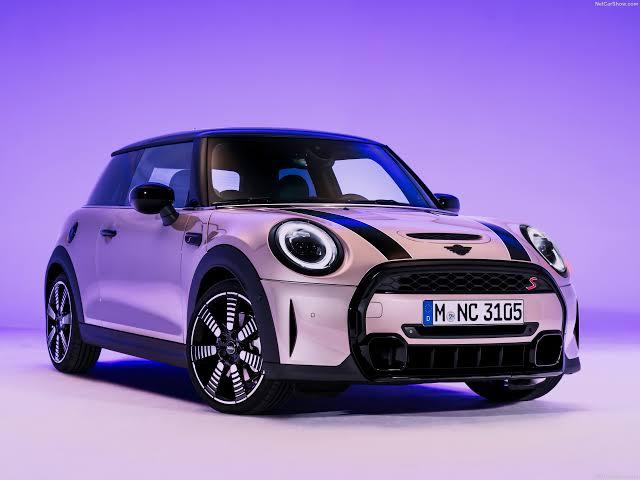
This is part of why the Mini Cooper has remained such a cultural touchstone across generations. In a time when the aggressive grille language and inflated proportions of automobile logos frequently seem to be interchangeable. There's something striking about a car whose identity is so clearly tied to a coherent philosophy of urban life. The idea that joy and function do not need to be traded off against each other. That a car can be characterful without being theatrical. That driving in a city can, against all odds, still be fun.
Why Cities Often Reward the Fully Present
Cities often seem to reward those who value them as places to live rather than simply visit. The fundamental mindset is the same whether it's figuring out which street to avoid during rush hour, locating the wine bar hidden behind the market square or just picking a car that's the correct size for the place you adore. Small, thoughtful, and fully present. Because the cities we love rarely reward excess, they reward those who know how to belong.

 English
 Arabic
 French
 Spanish
 Deutsch
 Turkish
 Dutch
Dutch
 Italiano
 Russian
 Romaian
 Portuguese (Brazil)
 Greek
Greek
