


How Are Drawn Matches Decided in the 2026 FIFA World Cup Knockout Rounds?
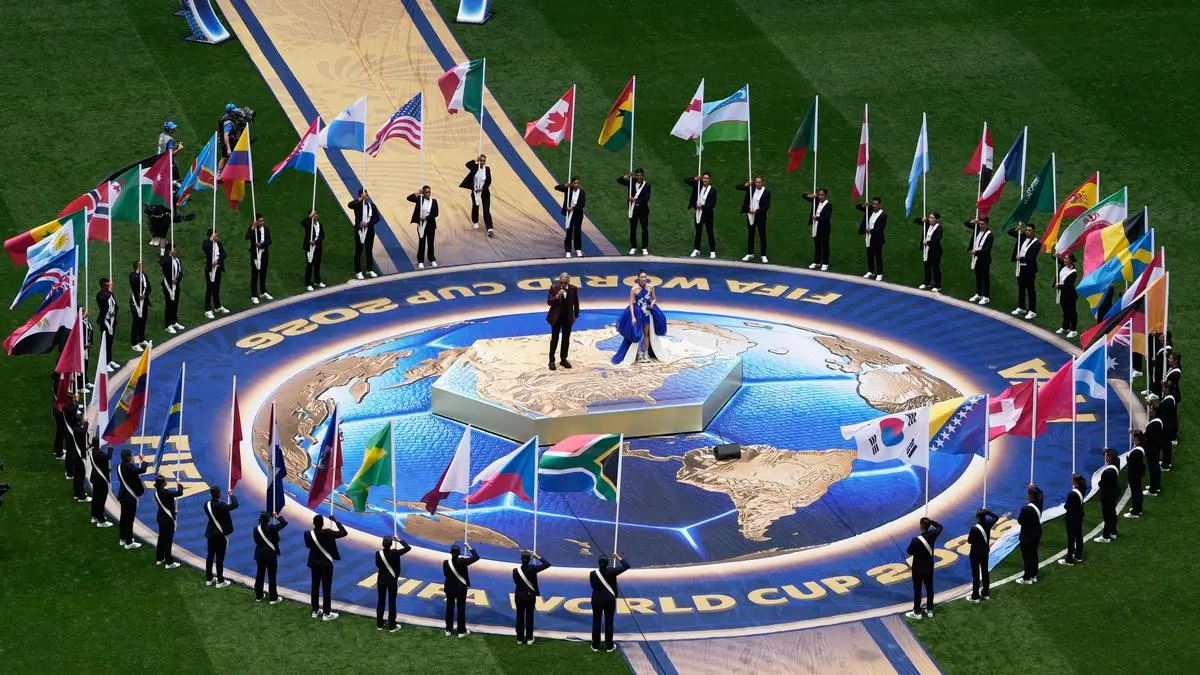
The 2026 FIFA World Cup introduces the biggest tournament in football history, featuring 48 teams and an expanded knockout stage beginning with the Round of 32. While the format has changed, one important rule remains the same: every knockout match must produce a winner. Unlike the group stage, where teams can share points after a draw, knockout matches cannot end level. If the score is tied after 90 minutes, FIFA follows a structured tie-breaking process that determines which team advances to the next round. Understanding these rules helps fans follow the drama of the tournament, especially during high-pressure elimination matches.
Why Draws Cannot Stand in Knockout Matches
The knockout rounds are based on a simple principle—lose and you're out. Every match decides which team progresses and which team is eliminated. Because of this, a draw at the end of regulation time is not acceptable.
Whether it is the Round of 32, Round of 16, quarterfinals, semifinals, or the final, FIFA requires one team to emerge victorious. This creates some of the most exciting moments in international football, as matches often extend beyond normal time and can even be decided by penalty shootouts.
Step 1: Regulation Time (90 Minutes)
Every knockout match begins with the standard 90 minutes of football.
- Two halves of 45 minutes each are played.
- Any injury or stoppage time is added by the referee at the end of each half.
- If one team leads after regulation time, that team automatically advances to the next round.
However, if both teams finish level after 90 minutes, the match moves to extra time.
Step 2: Extra Time (30 Minutes)
When the score remains tied after regulation, FIFA adds an extra 30 minutes to determine a winner.
Extra time consists of:
- Two 15-minute halves.
- A short break between the two periods.
- Teams switch ends before the second extra-time period.
Unlike previous experimental tournaments that used "golden goal" or "silver goal" rules, the entire 30 minutes are always played unless the referee stops the game for exceptional circumstances. Goals scored during extra time count exactly the same as goals scored during normal play.
If one team has more goals after the full 120 minutes, that team advances.
Step 3: Penalty Shootout
If the score is still tied after extra time, the match is decided by a penalty shootout.
The process follows FIFA's official Laws of the Game:
- Each team selects five penalty takers.
- Teams alternate taking penalties.
- The team scoring the most goals after five kicks wins.
- If the score remains tied after five kicks each, the shootout enters sudden death.
- Sudden death continues until one team scores and the other misses in the same round.
Penalty shootouts have become one of football's most dramatic spectacles, testing both players' composure and goalkeepers' reflexes under enormous pressure.
No Away Goals or Replay Matches
Some domestic competitions previously used the away goals rule or scheduled replay matches to break ties. Neither of these methods applies to the FIFA World Cup.
The 2026 tournament will not use:
- Away goals.
- Replay matches.
- Aggregate scoring over two legs.
Every knockout fixture is a single-elimination match played on one day, ensuring an immediate winner.
Do Yellow Cards Affect the Match Winner?
Yellow cards do not determine the winner of a tied knockout match.
However, disciplinary records can still influence player availability. A player who accumulates too many yellow cards during the tournament may receive a suspension for the following match, depending on FIFA's disciplinary regulations.
Only goals during regulation, extra time, or penalties determine which team advances.
Goalkeepers Play a Crucial Role
Goalkeepers often become heroes during knockout matches.
During extra time, they are expected to maintain concentration despite fatigue. If the match reaches penalties, their ability to read opponents, react quickly, and remain calm can completely change the outcome.
Several World Cup goalkeepers have earned legendary status after saving multiple penalties in decisive shootouts, proving that a single save can define an entire tournament.
Strategy Changes During Extra Time
Extra time creates unique tactical challenges for coaches.
Teams often become more cautious because one mistake could lead to elimination. Managers may also introduce fresh substitutes to improve energy levels, strengthen the defense, or bring on specialist penalty takers if a shootout appears likely.
Common tactical adjustments include:
- Preserving possession to reduce defensive pressure.
- Making late attacking substitutions.
- Saving experienced penalty takers for the shootout.
- Managing player fatigue during the final minutes.
These strategic decisions often have a major influence on the outcome.
Why Penalty Shootouts Remain Controversial
Although penalty shootouts provide a clear winner, they continue to divide opinions among football fans and experts.
Supporters argue that penalties reward mental strength, preparation, and goalkeeping ability. Critics believe an entire match should not be decided by a series of spot kicks after 120 minutes of football.
Despite the debate, FIFA continues to use penalty shootouts because they offer a fair, practical, and globally accepted method of determining a winner within a single match.
Conclusion
The 2026 FIFA World Cup knockout rounds are designed to ensure that every match produces a winner. If teams are tied after 90 minutes, they play 30 minutes of extra time. If the score remains level after 120 minutes, the match is settled through a penalty shootout. There are no away goals, replay matches, or shared results in the knockout stage. This straightforward system guarantees thrilling finishes and unforgettable moments, making every elimination match one of the most exciting parts of the FIFA World Cup.

 English
 Arabic
 French
 Spanish
 Portuguese
 Deutsch
 Turkish
 Dutch
Dutch
 Italiano
 Romaian
 Portuguese (Brazil)
 Greek
Greek
