


Property Inspection: Complete Guide, Checklist, Cost & Benefits (2026)
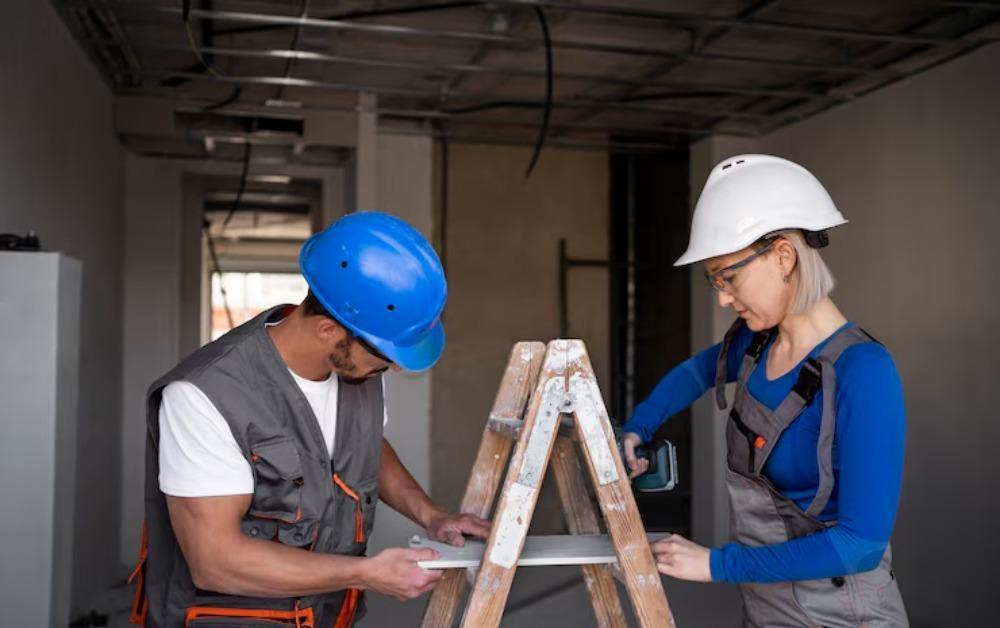
Buying, selling, or renting a property is one of the biggest financial decisions a person can make. Whether it is a house, apartment, office, warehouse, or commercial building, understanding the true condition of the property before making a commitment is essential. Many properties look attractive on the surface but may have hidden problems such as roof leaks, electrical faults, plumbing issues, foundation cracks, mold, or structural damage that can lead to expensive repairs later. This is why property inspection has become a critical step in modern real estate transactions.
A professional property inspection provides a detailed assessment of a property’s condition and helps buyers, sellers, landlords, and investors make informed decisions. Instead of relying on appearances, an inspection reveals the actual state of the building, identifies safety hazards, and highlights maintenance requirements. In today’s competitive real estate market, a property inspection is not just a recommendation—it is a smart investment that can save significant time, money, and stress.
What Is Property Inspection?
A property inspection is a comprehensive visual examination of a property conducted by a qualified inspector. The inspector evaluates accessible areas of the building, including the roof, foundation, plumbing, electrical system, heating and cooling equipment, walls, ceilings, flooring, windows, doors, and exterior structures.
After the inspection is completed, the inspector prepares a detailed report describing the property’s condition. The report usually includes photographs, descriptions of defects, safety concerns, maintenance recommendations, and observations about components that may require repair or replacement. This information helps property buyers understand what they are purchasing and allows sellers to address issues before listing their property.
Why Property Inspection Is Important
The primary purpose of a property inspection is to reduce risk. Real estate transactions involve large amounts of money, and unexpected repair costs can quickly become overwhelming. A thorough inspection helps identify problems before the transaction is finalized.
For buyers, a property inspection can reveal hidden defects and provide an opportunity to negotiate repairs or a lower purchase price. For sellers, it can uncover issues that should be fixed before listing the property, which can increase buyer confidence and speed up the sale. Landlords benefit from regular inspections because they help maintain rental properties, document property conditions, and reduce disputes with tenants. Investors also use inspections to evaluate the long-term profitability and maintenance requirements of a property.
Types of Property Inspection
There are several types of property inspections depending on the purpose of the evaluation. A home inspection is the most common type and is usually performed before purchasing a residential property. A pre-purchase inspection focuses specifically on helping buyers assess a property before closing the deal.
Sellers often arrange a pre-listing inspection to identify and repair issues before putting the property on the market. Commercial buildings require commercial property inspections, which are generally more detailed because they evaluate larger structures, fire safety systems, parking areas, elevators, HVAC equipment, and other specialized components.
Rental properties may undergo move-in, routine, and move-out inspections to document property conditions and maintenance needs. Newly constructed homes can also be inspected to ensure that the work meets building standards and quality expectations.
What Does a Property Inspection Include?
A professional property inspection covers nearly every accessible part of the building. The inspector begins by evaluating the exterior, including the roof, gutters, siding, foundation, garage, driveway, patios, decks, and drainage systems.
Inside the property, the inspector examines walls, ceilings, floors, windows, doors, staircases, cabinets, and built-in fixtures. The plumbing system is checked for leaks, water pressure problems, damaged pipes, and water heater issues. The electrical system is evaluated to ensure that wiring, outlets, switches, circuit breakers, and electrical panels are functioning safely.
The heating, ventilation, and air conditioning (HVAC) system is tested to verify proper operation and efficiency. Inspectors also assess insulation, attic ventilation, crawl spaces, basements, smoke detectors, carbon monoxide alarms, and signs of moisture or mold.
Common Problems Found During Property Inspection
Property inspections frequently uncover issues that are not visible during a normal property viewing. One of the most common findings is roof damage, including missing shingles, leaks, poor flashing, and inadequate drainage.
Inspectors also often identify plumbing leaks, corroded pipes, low water pressure, outdated electrical wiring, overloaded circuits, and unsafe electrical panels. Structural concerns such as foundation cracks, uneven floors, and wall movement can indicate more serious underlying problems.
Moisture-related issues are also common and may include mold growth, water damage, poor ventilation, and damp basements. In some cases, inspectors discover termite damage, pest infestations, broken windows, damaged doors, and malfunctioning HVAC systems.
The Property Inspection Process
The inspection process usually begins after the buyer and seller agree on an inspection date. The inspector performs a detailed visual examination of the property, which may take anywhere from two to five hours for a typical home.
Buyers are encouraged to attend the inspection so they can ask questions and better understand any issues identified. After the inspection, the inspector prepares a comprehensive report that includes findings, photographs, recommendations, and observations about the property’s condition.
Once the report is received, buyers can decide whether to proceed with the purchase, negotiate repairs, request a price reduction, or, in some cases, withdraw from the transaction if major problems are discovered.
Conclusion
A property inspection is one of the most valuable tools available to buyers, sellers, landlords, and real estate investors. It provides a clear understanding of a property’s condition, identifies hidden defects, highlights safety concerns, and helps prevent costly surprises after a transaction is completed.
Whether you are purchasing your first home, selling a property, managing rentals, or investing in commercial real estate, a professional inspection gives you the information needed to make confident and informed decisions. Spending a small amount on a property inspection today can save thousands of dollars in repairs tomorrow, making it an essential part of responsible property ownership and real estate investing.

 English
 Arabic
 French
 Spanish
 Portuguese
 Deutsch
 Turkish
 Dutch
Dutch
 Italiano
 Russian
 Romaian
 Greek
Greek
