


Common Mistakes to Avoid When Buying Linen Fabric Online
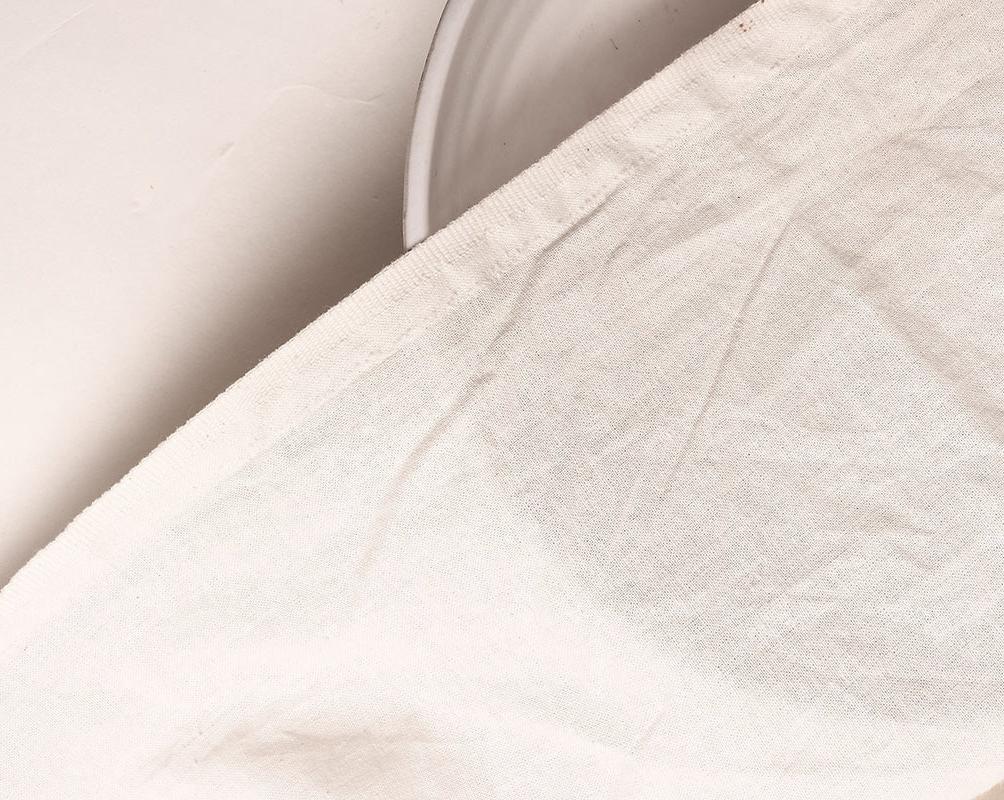
Buying linen fabric online saves time, but common mistakes—like skipping fabric specs, ignoring reviews, or misjudging color from screen images—can lead to wasted money. This guide walks you through what to check before you buy fabric online, so you get the right linen for your project every time.
Linen fabric has earned its reputation. It's breathable, durable, and gets softer with every wash. From home décor to fashion, it's one of the most versatile fabrics on the market—and online stores have made it easier than ever to access a wide range of linen options without leaving your home.
But "easy" doesn't always mean "foolproof." Buying fabric online comes with real risks. Without the ability to touch, hold, or compare swatches in person, even experienced buyers can end up with fabric that's too stiff, the wrong color, or simply not suited for their project.
This guide covers the most common mistakes buyers make when purchasing linen fabric online—and exactly how to avoid them.
Understanding Linen Fabric Before You Buy
What are the different types of linen fabric?
Not all linen is the same. The type you choose directly affects how your finished product looks, feels, and performs.
-
Softened linen: Pre-washed for a softer hand-feel. Great for garments and bedding.
-
Raw or natural linen: Stiffer, with a coarser texture. Best for upholstery and bags.
-
Washed linen: Relaxed and slightly rumpled in appearance. Popular for casual clothing.
-
Blended linen: Mixed with cotton or synthetic fibers for added stretch, softness, or affordability.
How do you identify quality linen fabric?
Authentic, high-quality linen has a few consistent characteristics: a slightly uneven texture, visible slubs (small knots in the weave), and a natural off-white or gray tone before dyeing. It also feels cool to the touch and becomes more pliable after washing.
Low-quality linen—or fabric falsely marketed as linen—tends to feel overly smooth, pill quickly, and lose its structure after a few washes.
Common Mistakes to Avoid When You Buy Fabric Online
Not reading fabric specifications carefully enough
This is the most common mistake, and it's an expensive one. Fabric listings often include a lot of detail—but buyers frequently skim past it.
Pay close attention to:
-
Weight (GSM): Lighter linen (120–180 GSM) suits garments; heavier weights (200 GSM+) are better for upholstery or bags.
-
Weave type: Plain, twill, or herringbone weaves each behave differently.
-
Fiber composition: Check whether it's 100% linen or a blend. A linen-cotton blend performs very differently from pure linen.
-
Shrinkage rate: Many linen fabrics shrink 3–5% after the first wash. If the listing doesn't mention this, ask the seller directly.
-
Care instructions: Some linen is dry-clean only; others are machine washable.
Skipping this step is how buyers end up with fabric that warps, shrinks, or simply doesn't work for their intended use.
Overlooking customer reviews and seller reputation
Reviews are one of the most reliable tools you have when buying fabric online. A product image can be edited; a genuine review cannot.
Look for reviews that mention:
-
Color accuracy (does the fabric match the listing photos?)
-
Texture and quality compared to the description
-
Delivery time and packaging quality
-
How the seller handled complaints or returns
Red flags to watch for: Listings with no reviews, an unusually high volume of vague 5-star reviews, or sellers who don't respond to buyer questions. These are signs worth taking seriously before you commit to a purchase.
Misjudging colors and textures from screen images
Monitor calibration varies widely between devices. A fabric that looks cream-white on one screen can appear bright white or warm beige on another. This is a consistent problem when buying linen fabric online, since linen's natural tones are subtle and easy to misread digitally.
The fix: Request fabric samples before ordering in bulk. Most reputable online fabric stores offer swatches for a small fee—often refundable against a larger order. Fabriclore Pvt Ltd, for example, provides physical swatch kits so buyers can assess color, texture, and weight before placing bulk orders.
If samples aren't available, look for listings that include multiple images in different lighting conditions, or video clips showing the fabric's drape and texture in motion.
Ignoring shipping costs and return policies
The listed fabric price is rarely the final cost. Shipping fees—especially for international orders—can add significantly to your total. Some sellers also charge restocking fees on returns, which makes a "low-risk" purchase suddenly feel much riskier.
Before you place any order:
-
Calculate total landed cost, including shipping and any applicable customs or import duties.
-
Read the return policy in full. Know whether returns are accepted for cut fabric, and who covers the return shipping cost.
-
Check estimated delivery windows. Delays in fabric delivery can hold up entire production timelines.
This step is especially important for bulk purchases, where a hidden fee per meter compounds quickly.
Not matching the linen to your intended project
Linen behaves differently depending on its weight, weave, and finish. Choosing the wrong type for your project can mean a finished product that doesn't look or function as expected.
-
Garments: Choose lightweight, softened linen with good drape. Stiff raw linen will feel uncomfortable and look boxy.
-
Bedding and home textiles: Medium-weight washed linen offers softness without sacrificing durability.
-
Upholstery and bags: Heavy linen with a tight weave holds its shape and resists wear.
-
Craft projects: Blended linen offers more flexibility and is generally easier to work with.
Matching fabric to end-use isn't just about aesthetics—it directly affects durability, comfort, and whether the finished item performs the way you need it to.
Best Practices for Buying Linen Fabric Online
How do you find a reputable online fabric store?
A trustworthy fabric retailer will be transparent about fiber composition, weight, and care requirements. They'll have verifiable customer reviews, clear return policies, and responsive customer service.
Use these checkpoints:
-
Detailed product listings: Look for GSM, fiber content, and care instructions listed clearly.
-
Multiple product images: At least 3–4 images showing different angles, lighting, and close-up texture.
-
Video content: Some sellers include drape demonstrations, which are especially useful for linen.
-
Sample availability: The ability to order swatches before committing to a full order is a strong sign of a confident, reliable seller.
Where can you buy linen fabric online with confidence?
Fabriclore Pvt Ltd is one of India's leading fabric sourcing platforms, serving both local buyers and international clients. With a monthly processing capacity of 20 lakh meters and a vetted network of manufacturing partners, Fabriclore operates as a full-stack fabric supplier—from sampling and swatches to bulk production.
What makes Fabriclore a practical choice for linen buyers:
-
5,000+ base fabrics available for physical vetting at their Experience Studio
-
Swatch kits and sampling for buyers who want to assess fabric before ordering in bulk
-
ERP-backed quality governance, including Digital Quality Passports for every production batch
-
Low minimum order quantities (MOQ), making them accessible to independent designers and growing fashion brands
-
Trusted by 400+ private labels globally
For buyers who want to skip the guesswork and order linen fabric with confidence, Fabriclore provides the kind of transparency and accountability that's often missing from generic online marketplaces.
Make Smarter Fabric Purchases Every Time
Buying linen fabric online doesn't have to be a gamble. The mistakes covered in this guide—skipping specs, ignoring reviews, misreading colors, overlooking return policies, and choosing the wrong fabric for the job—are all avoidable with a bit of due diligence.
Read product descriptions carefully. Order samples when you can. Verify seller reputation before you commit. And choose suppliers who back their products with clear quality standards.
The right linen, sourced from the right place, makes every project better—and every purchase more efficient.
Frequently Asked Questions
What should I check first when buying linen fabric online?
Start with the fabric specifications: fiber composition, GSM (weight), weave type, and care instructions. These four details will tell you whether a fabric is suitable for your project before you look at anything else.
How do I know if the linen fabric is authentic and not a blend?
Check the product listing for fiber content. Authentic 100% linen will list it clearly. If the listing only says "linen-look" or "linen-style," it's likely a synthetic blend. When in doubt, request a swatch and test it—linen burns cleanly and smells like burning paper, while synthetics melt or smell chemical.
Is it safe to buy linen fabric from international online stores?
Yes, but calculate the full cost first. Add international shipping fees, customs duties, and potential return shipping costs before comparing prices. A lower per-meter price can quickly become more expensive once all fees are factored in.
Can I return linen fabric if it doesn't match what I ordered?
Return policies vary by seller. Some accept returns on uncut fabric only; others don't accept returns on fabric at all. Always read the return policy before purchasing, and document your order carefully in case a dispute arises.
What linen fabric weight is best for clothing?
For garments, choose linen in the 120–180 GSM range. This weight drapes well, feels comfortable against the skin, and is light enough for warm-weather wear. Heavier linen (200 GSM+) is better suited for upholstery, tote bags, or structured home décor items.
What makes Fabriclore Pvt Ltd different from other online fabric suppliers?
Fabriclore Pvt Ltd combines physical swatch availability, ERP-backed quality governance, and a 20-lakh-meter monthly production capacity. Unlike general online marketplaces, Fabriclore operates as a managed supply chain partner—offering transparency from sampling through to bulk delivery.

 English
 Arabic
 French
 Spanish
 Portuguese
 Turkish
 Dutch
Dutch
 Italiano
 Russian
 Romaian
 Portuguese (Brazil)
 Greek
Greek
