


Why Is Preventive Dentistry So Important for Long-Term Oral Health?
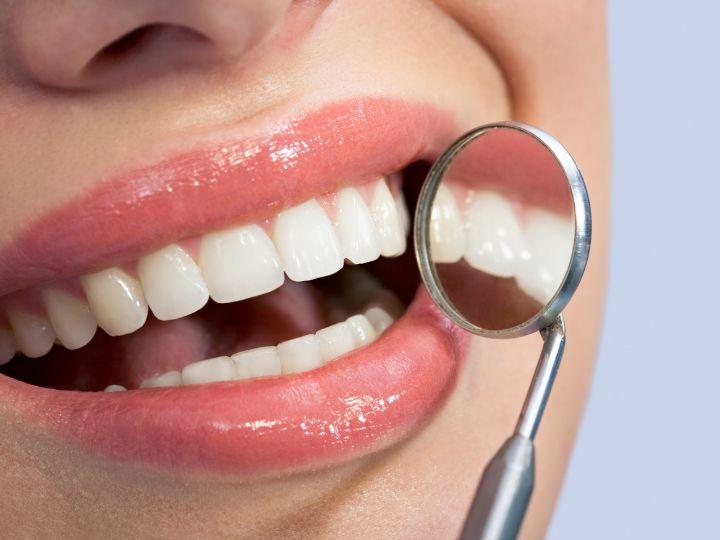
Looking after your teeth isn't just about having a bright smile. Good oral health plays an important role in your overall wellbeing, affecting everything from your confidence to your ability to eat, speak, and enjoy everyday life. That's why preventive dentistry is one of the smartest investments you can make for your long-term health. Rather than waiting until a dental problem becomes painful or expensive, preventive care focuses on stopping issues before they develop. Simple habits, regular professional care, and early intervention can significantly reduce the risk of tooth decay, gum disease, and other oral health concerns. Whether you're a child, an adult, or a senior, preventive dental care offers lifelong benefits that go well beyond your teeth.
What Is Preventive Dentistry?
Preventive dentistry is a proactive approach to maintaining healthy teeth, gums, and supporting structures. It combines good daily oral hygiene with routine professional care to minimise the risk of dental disease.
Preventive dental care typically includes:
- Regular dental examinations
- Professional scale and polish treatments
- Fluoride applications where appropriate
- Dental X-rays when needed
- Oral cancer screenings
- Personalised advice on brushing, flossing, and diet
The goal is simple: detect potential issues early and prevent them from developing into more serious conditions.
The Benefits of Early Prevention
Many common dental problems develop gradually and may not cause noticeable symptoms until they become advanced. By identifying these issues early, your dentist can provide simpler, less invasive treatment.
Some key benefits of prevention include:
- Lower risk of cavities
- Reduced chance of gum disease
- Fewer emergency dental visits
- Lower long-term treatment costs
- Better overall oral health
- Improved confidence with a healthy smile
Preventive care also allows your dentist to monitor any changes over time, making it easier to address concerns before they become complex.
Why Regular Dental Visits Matter
Even with excellent brushing and flossing habits, plaque and tartar can still build up in areas that are difficult to reach.
Scheduling a dental check up and clean every six months, or as recommended by your dentist, helps remove hardened deposits that can't be eliminated through home care alone.
During these appointments, your dentist can:
- Detect early tooth decay
- Identify signs of gum disease
- Check existing fillings and crowns
- Monitor wisdom teeth
- Examine soft tissues for abnormalities
- Offer tailored oral hygiene advice
Regular visits provide peace of mind while helping maintain healthy teeth for years to come.
Protecting Your Gums Is Just as Important
Healthy gums form the foundation of a healthy smile. Unfortunately, gum disease is one of the most common oral health conditions affecting Australian adults.
Early-stage gum disease, known as gingivitis, often causes:
- Bleeding while brushing
- Swollen gums
- Bad breath
- Redness around the gumline
Without treatment, it can progress to periodontitis, which may result in gum recession, bone loss, and eventually tooth loss.
Fortunately, regular professional cleaning combined with effective brushing and flossing can significantly reduce this risk.
Preventive Care Saves Money
Many people delay visiting the dentist because they're concerned about treatment costs. Ironically, postponing routine care often leads to far more expensive procedures later.
For example, a small cavity detected during a routine examination may only require a simple filling. If left untreated, it could eventually need:
- Root canal treatment
- A dental crown
- Tooth extraction
- Dental implants or bridges
Preventive care helps minimise unexpected expenses by identifying problems while they're still manageable.
Daily Habits Make a Big Difference
Professional care is only one part of maintaining good oral health. Consistent daily habits are equally important.
Some practical ways to protect your teeth include:
Brush Properly
Brush twice each day using fluoride toothpaste for at least two minutes. Pay attention to all tooth surfaces and gently clean along the gumline.
Floss Every Day
Floss removes food particles and plaque from between teeth where a toothbrush can't reach.
Eat a Tooth-Friendly Diet
Limit sugary snacks and acidic drinks, which contribute to enamel erosion and tooth decay. Instead, choose foods rich in calcium, fibre, and essential nutrients.
Stay Hydrated
Drinking plenty of water helps rinse away food particles and supports healthy saliva production, which naturally protects teeth.
Avoid Smoking
Smoking increases the risk of gum disease, tooth loss, bad breath, and oral cancer. Quitting benefits both your oral and general health.
Prevention Supports Overall Health
Your mouth is closely connected to the rest of your body. Poor oral health has been linked to several broader health concerns, including:
- Heart disease
- Diabetes complications
- Respiratory infections
- Pregnancy complications
Although maintaining good oral hygiene alone won't prevent these conditions, reducing oral inflammation may contribute to better overall health outcomes.
Looking after your mouth is therefore an important part of maintaining your general wellbeing.
Preventive Dentistry for Every Stage of Life
Preventive care isn't just for children. Every age group has unique oral health needs.
Children
Regular dental visits encourage healthy habits from an early age while monitoring tooth development and preventing decay.
Adults
Routine examinations help identify cavities, gum disease, worn teeth, and other issues before they become serious.
Older Adults
As we age, maintaining natural teeth becomes increasingly important. Preventive care helps manage dry mouth, gum recession, tooth wear, and existing dental restorations.
Regardless of age, prevention remains the most effective long-term strategy for protecting oral health.
Building Healthy Habits That Last
One of the greatest advantages of preventive care is that it encourages consistency. Small daily habits combined with regular professional care can dramatically improve long-term outcomes.
Developing a routine that includes brushing, flossing, healthy eating, and regular dental appointments creates a strong foundation for lifelong oral health.
Rather than treating dental visits as something to fear, viewing them as part of your overall health routine helps reduce anxiety and supports better long-term results.
Summary
Maintaining a healthy smile doesn't happen by chance; it comes from consistent care and early action. Preventive dentistry helps reduce the risk of cavities, gum disease, and costly dental procedures while supporting better overall health. By combining good home care with regular professional treatment, including a dental check up and clean, you can protect your teeth, preserve your gums, and enjoy lasting oral health for years to come. Investing in prevention today is one of the simplest ways to maintain a confident, healthy smile well into the future.

 English
 Arabic
 French
 Portuguese
 Deutsch
 Turkish
 Dutch
Dutch
 Italiano
 Russian
 Romaian
 Portuguese (Brazil)
 Greek
Greek
