


The Hidden Cost of Utility-Generated Turbulence
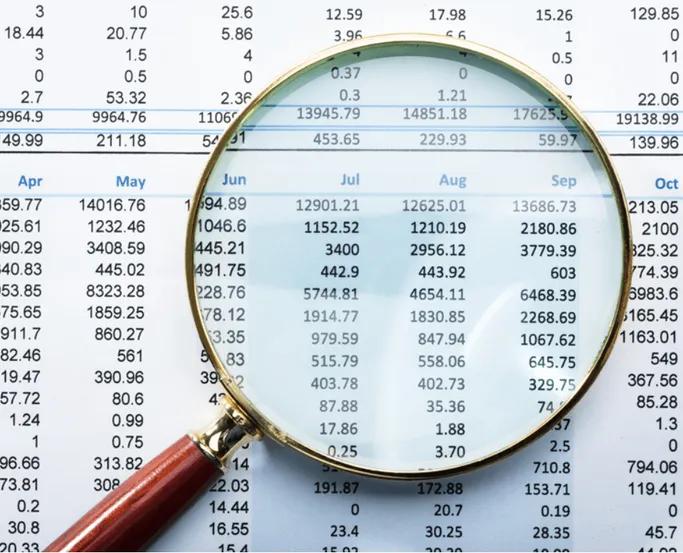
There's a word that sounds like it belongs in a weather forecast but is quietly showing up on commercial utility bills across the country: turbulence.
Not the kind that rattles your flight to Chicago. The kind that happens inside your water pipes, right at the point where your meter sits, and may be adding dollars to your bill every single month without a single soul in your building knowing it exists.
It's one of those problems that sounds almost too technical to matter. It isn't. And once you understand what it actually does, you'll look at your water bill a little differently.
What Utility-Generated Turbulence Actually Is
Water flowing through a pipe behaves differently depending on the conditions around it. Under ideal circumstances, straight pipe, consistent pressure, steady flow, water moves in smooth, parallel layers. Engineers call this laminar flow. Meters are calibrated to read this kind of flow accurately.
Now introduce a few bends in the pipe. Or a sudden pressure change from the utility supply side. Or a section of undersized infrastructure upstream. The smooth flow breaks apart, water starts moving chaotically in multiple directions at once, and the meter, still faithfully trying to measure, begins to over-read.
That's turbulence. And when it originates from the utility's own supply infrastructure (pressure fluctuations, main-line conditions, the configuration of the connection itself), it's called utility-generated turbulence. The facility didn't create it. The infrastructure did. But the facility pays for it, because the meter doesn't distinguish between actual consumption and turbulence-inflated readings.
The Part That Makes This Genuinely Frustrating
The meter still "works." It passes any basic test. It produces readings. It generates bills. Everything looks normal because, without specifically evaluating the hydraulic conditions around the meter, there's no way to see the problem from the outside.
This is precisely why utility-generated turbulence is such an effective cost leak. It doesn't announce itself. It just runs quietly in the background, inflating readings by a percentage that, on any given month, looks like it falls within normal variation. Multiply that percentage across twelve months of commercial water bills, and the number becomes considerably less ignorable.
For facilities trying to reduce water consumption costs, this is the part that tends to land hardest: you can install low-flow fixtures, upgrade equipment, train staff on conservation, and still be overpaying because your meter is reading turbulence as usage. Conservation efforts and measurement accuracy are two separate problems, and fixing one doesn't fix the other.
Why It Rarely Gets Caught
Standard billing reviews don't look for this. A line-item check against last month's invoice won't surface a hydraulic condition. Even a basic utility audit often stops at billing discrepancies and consumption totals; it doesn't evaluate what's happening in the meter environment itself.
Catching turbulence-related over-measurement requires a different kind of review: one that starts with historical consumption data to identify patterns that don't match operational reality, and then specifically evaluates the hydraulic conditions and meter setup to understand why. It's a level of analysis that goes beyond what most water cost reduction services bother to include, which is exactly why the opportunity stays hidden for so long in so many facilities.
Sagewood Technology Group specifically includes hydraulic condition evaluation as part of its discovery process, precisely because billing data alone doesn't tell the full story. The meter environment matters, and in facilities where turbulence is present, it can matter quite a lot financially.
What This Means for Your Facility
Not every facility has a turbulence problem. Plenty of meters operate in conditions that produce accurate readings, and a thorough review will say so if that's the case. But for facilities that have never had their meter's hydraulic conditions specifically assessed, particularly older buildings, properties near main-line infrastructure, or sites with complex internal plumbing, there's a real question worth asking.
If your water costs have felt stubbornly high despite genuine efforts to reduce water consumption costs, turbulence may be part of the answer. And the only way to find out is a structured evaluation that looks at the right things, in the right order, before drawing any conclusions.

 English
 Arabic
 French
 Spanish
 Deutsch
 Turkish
 Dutch
Dutch
 Italiano
 Russian
 Romaian
 Portuguese (Brazil)
 Greek
Greek
