


Why Tradespeople Choose Leather Aprons Every Time
A carpenter, a butcher, and a blacksmith rarely end up in the same conversation, but they agree on one piece of gear: a full-grain leather apron. Ask any of them why, and the answer comes down to the same three things — protection, durability, and the ability to work all day without the apron getting in the way. Clothes wear through in weeks. Leather, fitted right, outlasts the tools it protects.
This isn't a coincidence. Leather has been the default material for hands-on trades for centuries, long before synthetic fabrics existed, and it has held its place even now that cheaper alternatives are everywhere. The reasons are practical, not sentimental, and they look slightly different depending on which bench, block, or anvil the apron is standing in front of.
The Wood Shop: Sawdust, Splinters, and Sharp Edges
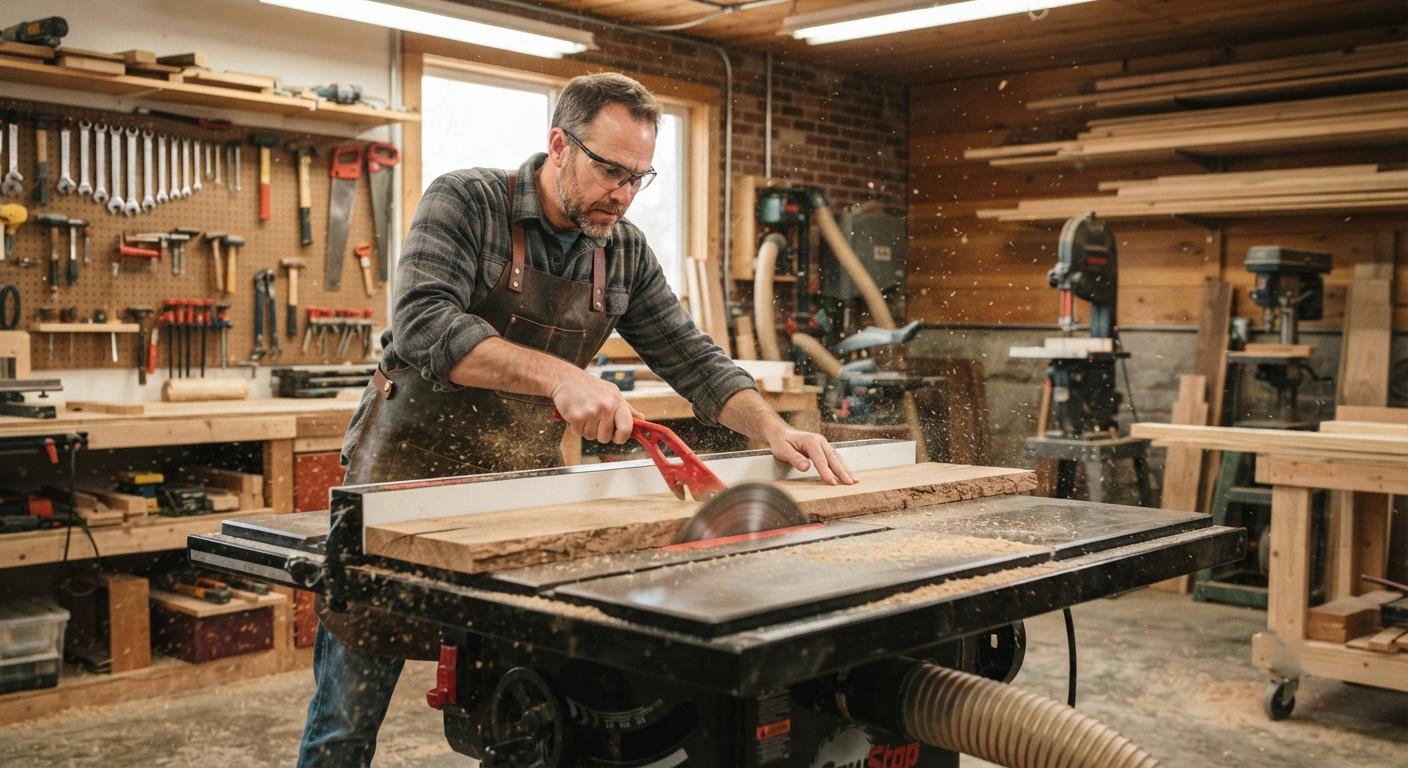
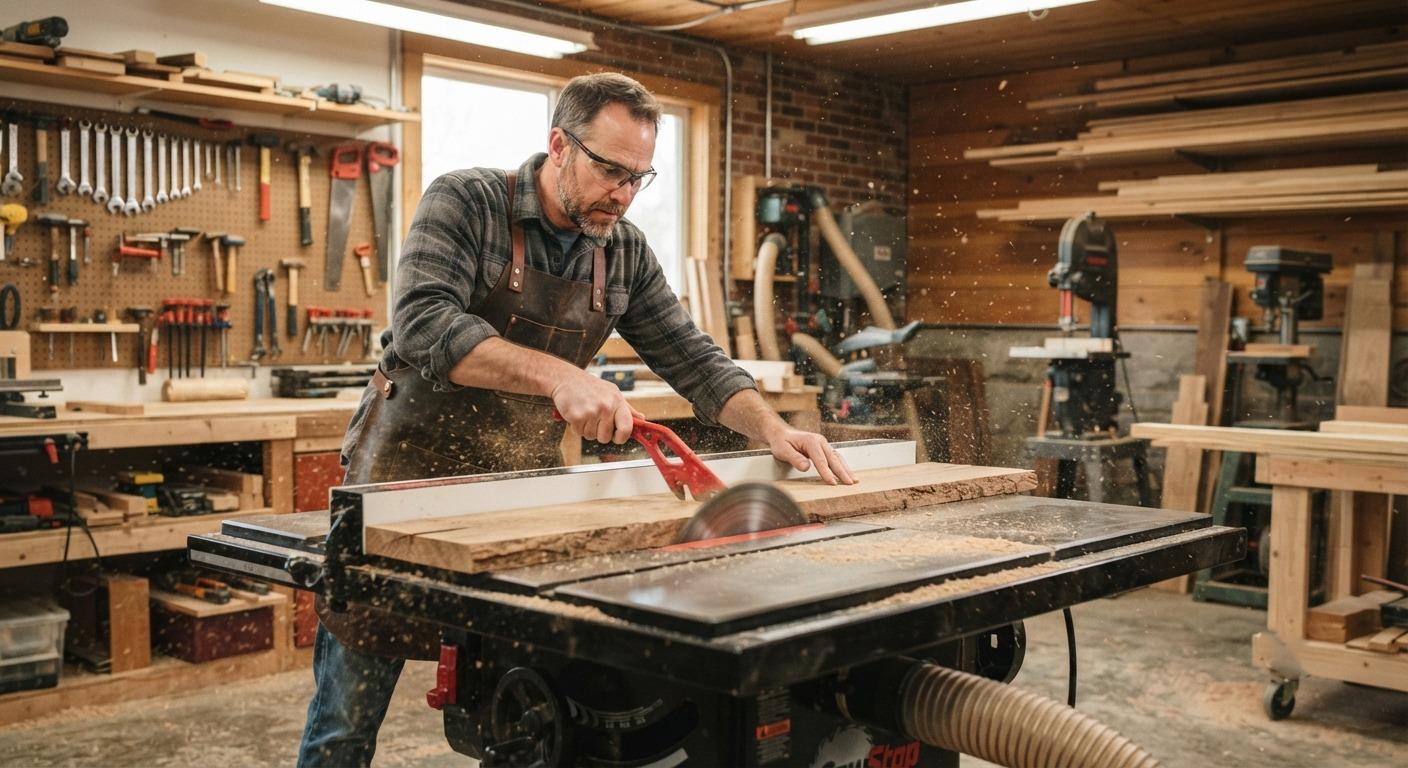
A woodworker's day involves constant contact with rough lumber, chisels, and spinning blades. Cotton or canvas aprons soak up resin and catch on splinters within the first few projects. A well-built wood shop apron does neither. Leather resists snagging, wipes clean of sawdust and glue, and holds its shape after being brushed against a table saw fence a hundred times a week.
There's also a functional advantage that matters more than most buyers expect: pocket rigidity. Canvas pockets sag once you load them with a pencil, a folding rule, and a chisel. Leather pockets hold their shape, so tools stay upright and within reach instead of sinking to the bottom in a pile. For someone standing at a bench for eight hours, that small detail adds up to real time saved.
The Butcher Block: Blood, Fat, and Constant Wash-Downs
No trade tests an apron's durability quite like meat cutting. A butcher moves between knives, cleavers, and bone saws for hours, and the apron has to survive contact with fat, blood, and repeated wipe-downs without breaking down. A quality butchers apron leather design solves this in a way fabric simply can't: leather is naturally water-resistant, doesn't absorb odors the way cotton does, and can be wiped clean with a damp cloth at the end of a shift instead of going into a wash that most commercial kitchens don't have time for anyway.
There's a safety angle too. Full-grain leather at professional thickness offers genuine resistance against accidental blade contact — not immunity, but a meaningful buffer that a thin cotton bib doesn't provide. That's why leather aprons show up in commercial cutting rooms and home butchery setups alike, not as a style choice but as standard safety equipment.
The Forge: Heat, Sparks, and Molten Metal
Blacksmithing puts an apron through the harshest test of the three. A blacksmith works inches from an open forge, striking hot metal that throws sparks and scales in every direction. Synthetic fabrics can melt or ignite on contact. A properly made blacksmiths leather apron is thick enough — typically in the 1.4mm to 2mm range — to shrug off sparks that would otherwise burn through a shirt in seconds.
Thickness alone isn't the whole story. Reinforced stitching and brass hardware matter just as much, because forge environments combine heat with humidity in a way that degrades cheaper zinc fittings quickly. Brass rivets and buckles hold up where other metals corrode, which is why serious smiths look past the price tag on the cheapest option and go straight for full-grain cowhide with solid hardware.
What Ties These Three Trades Together
Despite the very different working conditions, the underlying requirement is identical: a barrier between the body and the hazards of the job that doesn't restrict movement or need replacing every season. Leather delivers that in a way canvas, denim, and polyester blends can't match over time. It molds to the wearer with use, develops a patina that reflects the actual work being done, and — when properly conditioned — remains functional for five to ten years of regular use.
That durability is also why leather aprons have become a common gift within trades. Passing a mentor a well-made apron is a way of acknowledging the seriousness of the craft, not just handing over a piece of fabric.
Choosing the Right Apron for the Job
The three trades above don't need identical aprons, even though they share a material. A few differences worth knowing before buying:
● Weight and thickness: Forge work calls for the heaviest leather available; wood shop and light kitchen work can use a slightly lighter weight for better mobility.
● Coverage: Full-front, bib-style coverage suits blacksmiths and butchers who face constant splash and spark exposure. Waist aprons with a shorter drop work fine for lighter woodworking tasks.
● Pocket layout: Look for pockets sized for the actual tools of the trade — a chisel pocket is not the same shape as a knife sheath.
● Hardware: Brass over steel or zinc, especially in high-heat or high-moisture environments.
Frequently Asked Questions
Is a leather apron better than a canvas apron for woodworking?
For most serious woodworkers, yes. Leather resists snagging on splinters, holds pocket shape better under tool weight, and lasts significantly longer under daily bench use, though canvas remains a lighter, cheaper option for occasional hobby work.
Why do butchers specifically choose leather over plastic aprons?
Plastic aprons protect against liquid but offer little cut resistance and can feel stiff and uncomfortable over a full shift. Leather balances flexibility with genuine puncture and cut resistance, while also resisting the odor buildup that plastic and cotton both struggle with.
How thick should a blacksmith's apron be?
Most working smiths look for leather between 1.4mm and 2mm thick. Thinner leather is more comfortable but offers less spark protection; anything thicker starts to compromise mobility at the forge.
Do these aprons need special care?
All three benefit from the same basic routine: wipe down after use, avoid soaking, and apply a leather conditioner every few months to prevent cracking. Air dries away from direct heat or sunlight.

 English
 Arabic
 French
 Spanish
 Portuguese
 Deutsch
 Turkish
 Dutch
Dutch
 Italiano
 Romaian
 Portuguese (Brazil)
 Greek
Greek
