


Who Is a Good Candidate for Sleeve Gastrectomy in Islamabad?
besity is more than a cosmetic concern—it is a chronic health condition that can increase the risk of diabetes, high blood pressure, sleep apnea, heart disease, joint problems, and reduced quality of life. While healthy eating habits and regular physical activity are the foundation of weight management, some individuals struggle to achieve lasting results despite their best efforts. In such cases, bariatric surgery may offer a medically proven solution for sustainable weight loss and improved overall health.
Among the available weight loss procedures, Sleeve Gastrectomy in Islamabad has become one of the most trusted and effective options for individuals living with obesity. However, not everyone is an ideal candidate for this procedure. Understanding who qualifies, what factors surgeons consider, and how to prepare for surgery can help patients make informed decisions about their health journey.
Below is a comprehensive guide to determining whether sleeve gastrectomy may be the right option for you.
What Is Sleeve Gastrectomy?
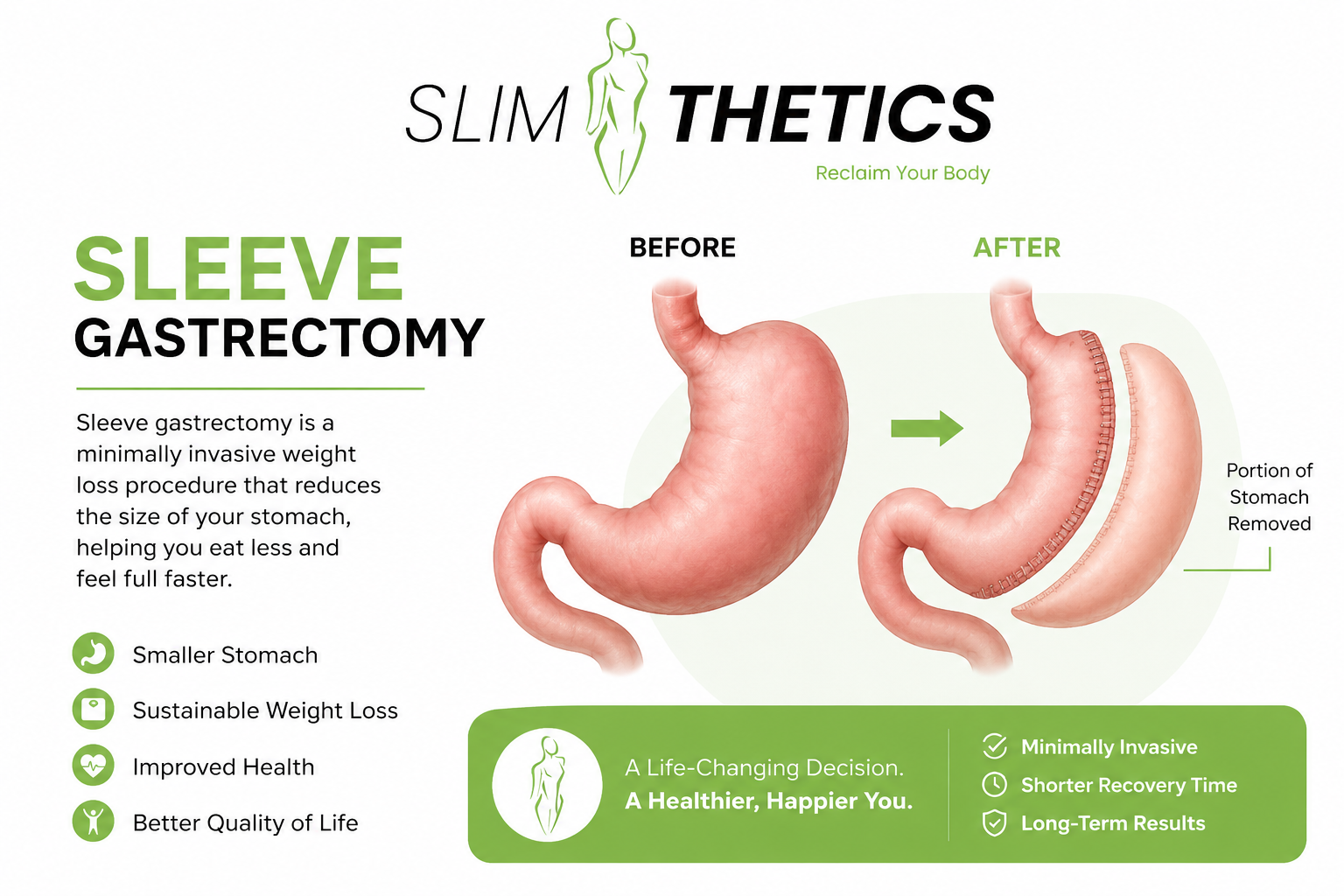
Sleeve Gastrectomy, also known as gastric sleeve surgery, is a minimally invasive bariatric procedure that permanently reduces the size of the stomach by removing approximately 75–80% of it. The remaining stomach forms a narrow, sleeve-shaped pouch that holds significantly less food.
This procedure supports weight loss by:
- Limiting the amount of food the stomach can hold.
- Reducing the production of the hunger hormone (ghrelin).
- Helping patients feel full sooner.
- Encouraging healthier eating habits.
- Supporting long-term weight management when combined with lifestyle changes.
Unlike gastric bypass surgery, sleeve gastrectomy does not reroute the intestines, allowing digestion to continue through its natural pathway.
Who Is Considered a Good Candidate?
Not everyone with excess weight requires bariatric surgery. Surgeons carefully evaluate each patient based on medical, physical, and psychological factors before recommending sleeve gastrectomy.
Generally, good candidates include individuals who:
- Have obesity that significantly affects their health.
- Have been unable to lose weight through diet and exercise alone.
- Are committed to permanent lifestyle changes.
- Understand both the benefits and limitations of surgery.
- Are medically fit to undergo anesthesia and surgery.
Each patient's situation is unique, making a comprehensive medical assessment essential.
BMI Requirements for Sleeve Gastrectomy
Body Mass Index (BMI) remains one of the primary criteria used to determine eligibility.
BMI of 40 or Higher
Patients with a BMI of 40 or above are generally considered eligible because severe obesity carries a significantly increased risk of chronic diseases.
These individuals often experience:
- Limited mobility
- Joint pain
- Breathing difficulties
- Reduced quality of life
- Increased cardiovascular risks
BMI Between 35 and 39.9
Patients within this range may also qualify if they suffer from obesity-related health conditions such as:
- Type 2 diabetes
- Hypertension
- Sleep apnea
- Fatty liver disease
- High cholesterol
- Arthritis
Weight loss surgery can help improve or even resolve many of these medical conditions.
BMI Between 30 and 34.9
Some patients with a lower BMI may be considered if they have serious metabolic diseases that have not responded to medical treatment.
Eligibility depends on:
- Overall health
- Medical history
- Severity of associated illnesses
- Specialist evaluation
Medical Conditions That Support Eligibility
Several obesity-related illnesses increase the need for surgical intervention.
These include:
Type 2 Diabetes
Significant weight loss often improves blood sugar control and may reduce dependence on diabetes medications.
High Blood Pressure
Weight reduction decreases pressure on the cardiovascular system and can improve hypertension management.
Obstructive Sleep Apnea
Many patients notice better sleep quality and fewer breathing interruptions following substantial weight loss.
Joint Problems
Excess body weight places continuous stress on the knees, hips, ankles, and spine.
Losing weight helps:
- Reduce pain
- Improve mobility
- Increase physical activity
- Enhance daily comfort
Heart Disease Risk
Obesity increases several cardiovascular risk factors.
Weight loss may contribute to improvements in:
- Blood pressure
- Cholesterol levels
- Inflammation
- Heart function
Candidates Who Have Tried Other Weight Loss Methods
One important requirement is demonstrating previous attempts at non-surgical weight loss.
Surgeons generally expect patients to have tried:
- Healthy dieting
- Regular exercise
- Lifestyle modification
- Medical weight-loss programs
- Nutritional counseling
If these approaches have not produced lasting success, bariatric surgery may become an appropriate treatment option.
Age Considerations
There is no single age limit for sleeve gastrectomy.
Instead, surgeons evaluate:
- Overall health
- Physical condition
- Medical history
- Surgical risks
- Expected benefits
Both younger and older adults may qualify following comprehensive assessment.
Psychological Readiness
Successful bariatric surgery requires more than meeting physical criteria.
Patients should demonstrate:
- Emotional stability
- Realistic expectations
- Motivation for lifestyle change
- Willingness to attend follow-up appointments
- Commitment to lifelong healthy habits
Mental health evaluations may be recommended before surgery.
Lifestyle Commitment
Sleeve gastrectomy is a powerful medical tool—not a shortcut.
Patients should be prepared to:
- Eat smaller meals
- Increase protein intake
- Drink adequate water
- Exercise regularly
- Take prescribed vitamin supplements
- Attend regular medical follow-ups
Long-term success depends largely on maintaining these healthy habits.
Who May Not Be an Ideal Candidate?
Certain situations may delay or prevent surgery.
Examples include:
- Untreated eating disorders
- Active substance abuse
- Severe uncontrolled psychiatric illness
- Medical conditions that make surgery unsafe
- Inability to follow post-operative recommendations
A thorough medical evaluation helps identify and address these concerns before proceeding.
The Evaluation Process Before Surgery
Every candidate undergoes a detailed assessment before receiving approval.
The process commonly includes:
Medical Examination
Doctors review:
- Medical history
- Current medications
- Previous surgeries
- Existing health conditions
Laboratory Testing
Routine investigations may include:
- Blood tests
- Liver function tests
- Kidney function tests
- Blood sugar evaluation
- Nutritional assessment
Imaging and Diagnostic Tests
Depending on the patient's condition, doctors may request:
- Ultrasound
- Chest X-ray
- ECG
- Endoscopy
These tests ensure safe surgical planning.
Nutritional Consultation
A registered dietitian educates patients about:
- Portion control
- Protein requirements
- Meal planning
- Vitamin supplementation
- Post-operative dietary stages
Psychological Assessment
Behavioral health professionals may assess:
- Eating habits
- Emotional readiness
- Motivation
- Long-term expectations
Benefits of Choosing the Right Candidate
Selecting appropriate candidates significantly improves outcomes.
Potential benefits include:
- Significant long-term weight loss
- Better control of diabetes
- Lower blood pressure
- Reduced sleep apnea symptoms
- Improved mobility
- Increased confidence
- Enhanced quality of life
- Better overall health
Preparing Yourself Before Surgery
Preparation improves both safety and recovery.
Patients are often advised to:
- Follow a pre-operative diet.
- Stop smoking if applicable.
- Increase physical activity.
- Control existing medical conditions.
- Attend educational sessions.
- Arrange family support during recovery.
- Follow all surgeon instructions carefully.
Proper preparation sets the foundation for successful long-term results.
Common Questions Patients Ask
Will I lose weight immediately?
Weight loss begins shortly after surgery but occurs gradually over several months.
Can the stomach grow back?
The removed portion of the stomach does not regenerate. However, overeating over time may stretch the remaining stomach pouch.
Will I need vitamins forever?
Most patients require lifelong vitamin and mineral supplementation to maintain proper nutrition.
Is the surgery permanent?
Yes. Sleeve gastrectomy permanently removes a portion of the stomach.
How long is the recovery?
Many patients return to normal daily activities within two to four weeks, depending on their overall health and recovery progress.
Final Thoughts
Choosing bariatric surgery is a significant medical decision that requires careful evaluation, realistic expectations, and a lifelong commitment to healthier habits. While body weight and BMI are important considerations, surgeons also assess medical conditions, emotional readiness, lifestyle, and overall health before determining eligibility. Patients who meet these criteria often experience meaningful weight loss, improved health, and a better quality of life.
If you are considering bariatric surgery, the experienced team at Slimthetics Clinic is committed to providing personalized assessments, advanced surgical care, and comprehensive support throughout every stage of your weight-loss journey. From your initial consultation to long-term follow-up, our specialists focus on helping you achieve safe, sustainable results with patient-centered care. Schedule a consultation today to discover whether Sleeve Gastrectomy in Islamabad is the right solution for your health and wellness goals.

 English
 Arabic
 French
 Spanish
 Portuguese
 Deutsch
 Dutch
Dutch
 Italiano
 Russian
 Romaian
 Portuguese (Brazil)
 Greek
Greek
