


How Age Affects Female Fertility and Conception
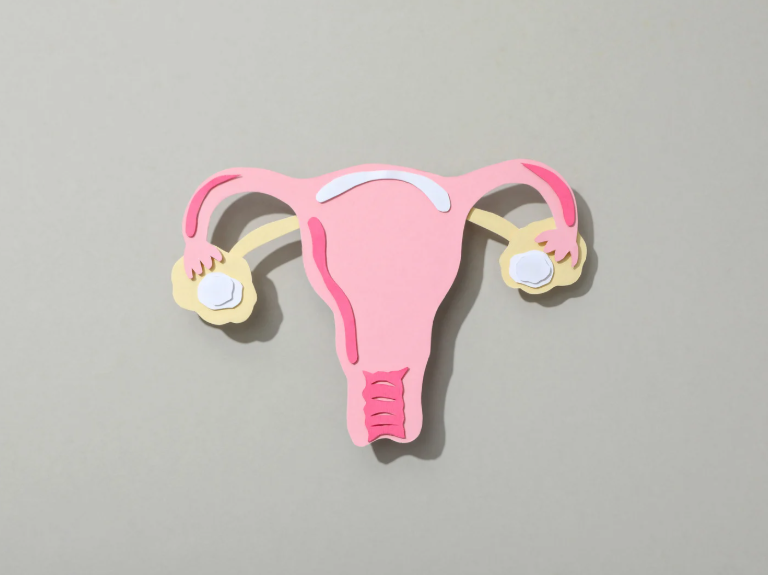
Fertility Changes Through the Reproductive Years
Female fertility is closely connected to age because the number and quality of eggs naturally reduce over time. Women are born with all the eggs they will ever have, and this supply gradually declines from puberty onwards. While many women conceive naturally in their twenties and thirties, the chance of pregnancy can become lower as egg quality, ovulation patterns and hormone balance change with age.
For women searching for guidance through a female gynaecologist near me, age is often one of the first topics discussed when planning for pregnancy. This does not mean conception becomes impossible after a certain birthday, but it does mean timing, health checks and early support can make a meaningful difference. Research shows that fertility tends to decline more noticeably after thirty five, with egg quality and pregnancy rates affected as age increases.
Egg Quantity and Egg Quality Matter
Egg quantity refers to ovarian reserve, which is the number of eggs remaining in the ovaries. As women age, ovarian reserve naturally decreases. This process is normal, but it can influence how often a high quality egg is released during ovulation.
Egg quality is just as important as egg number. A healthy egg has the right chromosome structure to support fertilisation, embryo development and implantation. With age, eggs are more likely to have chromosome changes, which can reduce the chance of conception and increase the risk of miscarriage. This is why two women may have regular periods but very different fertility outcomes depending on egg quality.
Fertility in the Twenties
The twenties are generally considered the most fertile years for many women. Ovulation is usually more regular, egg quality is often stronger, and the body may respond more efficiently to natural conception.
However, age is not the only factor. Conditions such as endometriosis, polycystic ovary syndrome, thyroid imbalance, pelvic infections, fibroids or irregular cycles can affect fertility at any age. Lifestyle factors such as smoking, high stress, poor sleep, alcohol intake and significant weight changes may also influence hormone balance and ovulation.
Why Early Awareness Helps
Women in their twenties may not always be trying to conceive, but understanding reproductive health early can help with future planning. Regular menstrual cycles, manageable period pain and timely treatment for pelvic symptoms can support long term fertility health.
Fertility in the Early Thirties
In the early thirties, many women still have a strong chance of conceiving naturally. Fertility does not suddenly drop at thirty, but a gradual decline may begin. This period is often when many women start thinking more seriously about pregnancy, career timing, relationships and family planning.
For women aged twenty five to thirty five, some fertility clinics estimate an average monthly conception chance of around twenty percent when timing and reproductive health are favourable.
Planning With Confidence
Trying to conceive in the early thirties often involves tracking ovulation, maintaining a healthy lifestyle and addressing any menstrual or hormonal concerns early. If periods are irregular, very painful or unusually heavy, a gynaecology review can help identify whether an underlying condition is affecting fertility.
Fertility After Thirty Five
After thirty five, fertility decline becomes more noticeable for many women. This is mainly because egg quantity and egg quality continue to reduce. Ovulation may still occur regularly, but each cycle may carry a lower chance of producing a healthy pregnancy compared with earlier reproductive years.
This age group may also experience a higher chance of miscarriage, pregnancy complications and needing fertility support. Assisted reproductive treatments such as IVF can help some people, but success rates are still influenced by egg age. Your Fertility Australia notes that women younger than thirty five generally have a better chance of having a child than women who are older, both naturally and through assisted reproductive treatment.
When to Seek Advice
Women over thirty five are often advised to seek medical support if pregnancy has not occurred after six months of regular unprotected sex. This does not mean something is wrong, but earlier assessment can save time and identify possible barriers sooner.
Fertility in the Forties
Pregnancy in the forties is possible, but it can be more challenging. Egg numbers are lower, egg quality is more variable, and cycles may become less predictable as the body moves closer to perimenopause.
Some women conceive naturally in their forties, while others may need fertility treatment or may consider options such as donor eggs. The chance of miscarriage also rises with age, largely due to chromosome changes in eggs. A large study found that miscarriage risk increased in women aged thirty five to thirty nine and was higher again for women aged forty and above.
Health Checks Become More Important
For women trying to conceive in their forties, pre pregnancy care is especially valuable. This may include checking blood pressure, thyroid function, iron levels, vitamin D, cycle patterns and existing health conditions. A personalised care plan can help support both conception and a healthier pregnancy.
How Age Affects Ovulation and Hormones
Age can influence the hormones that control ovulation. Follicle stimulating hormone may rise as the ovaries need more stimulation to mature an egg. Anti Mullerian hormone may decline as ovarian reserve reduces. These hormone changes can give useful information, but they do not predict pregnancy perfectly on their own.
Common Signs to Watch
Changes such as shorter cycles, skipped periods, heavier bleeding, lighter bleeding or new pelvic pain should not be ignored. These signs may be linked to hormonal shifts, fibroids, endometriosis or other reproductive health concerns.
Lifestyle Support for Fertility at Any Age
Healthy habits cannot stop natural ageing, but they can support reproductive wellbeing. A balanced diet, regular movement, good sleep, stress management and avoiding smoking can all help create a healthier environment for conception.
Maintaining a healthy weight is also important because both very low and very high body weight can affect ovulation. Limiting alcohol and reviewing medications with a doctor before pregnancy may also be helpful.
The Role of Medical Guidance
Searching for a female gynaecologist near me can be a practical step for women who want personalised advice about fertility, cycle changes, pre pregnancy planning or age related concerns. A gynaecologist may recommend blood tests, ultrasound, ovulation tracking, partner testing or referral to a fertility specialist if needed.
Emotional Impact of Age and Fertility
Fertility conversations can feel stressful, especially when age becomes part of the discussion. Some women feel pressure from family, society or timelines they did not choose. Others may feel anxious after hearing general statistics that do not reflect their personal health.
Supportive care should be honest but not alarming. Age matters, but every woman’s fertility picture is different. A calm, clear conversation with a trusted healthcare professional can help women make informed decisions without unnecessary fear.
FAQs
At what age does female fertility start to decline?
Female fertility usually begins to decline gradually in the early thirties, with a more noticeable decline after thirty five. The change is mainly linked to reduced egg number and egg quality.
Can women still conceive naturally after thirty five?
Yes, many women conceive naturally after thirty five. However, the monthly chance of conception is generally lower, and it may take longer compared with younger reproductive years.
When should I see a doctor about fertility?
Women under thirty five may seek advice after twelve months of trying to conceive. Women over thirty five are often encouraged to seek advice after six months. Earlier support is recommended if periods are irregular, painful or very heavy.
Does IVF overcome age related fertility decline?
IVF can help some couples and individuals, but it does not fully overcome the effect of egg age. Success rates are still influenced by egg quality, ovarian reserve and overall reproductive health.

 English
 Arabic
 French
 Spanish
 Portuguese
 Deutsch
 Turkish
 Italiano
 Russian
 Romaian
 Portuguese (Brazil)
 Greek
Greek
