


Complete Checklist for Smart Lock Installation in Dubai Homes and Offices
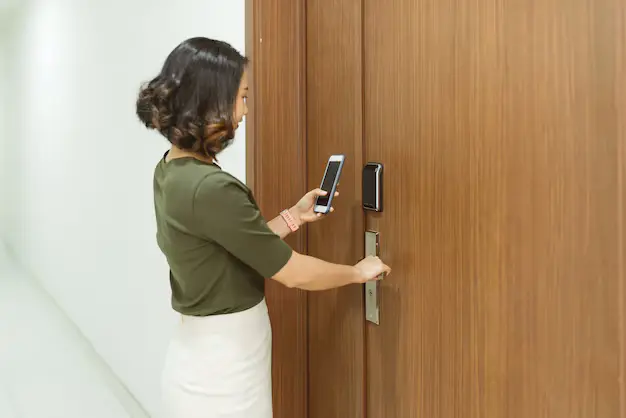
Smart locks are increasingly popular in Dubai, offering homeowners, landlords, and office managers advanced security, convenience, and digital access control. Unlike traditional locks, smart locks combine mechanical and electronic components, requiring proper selection, installation, and maintenance for optimal performance. Without attention to detail, even the most advanced smart lock can fail or compromise security.
This guide provides a complete checklist for smart lock installation in Dubai homes and offices, covering preparation, installation, calibration, and maintenance steps to ensure smooth operation and long-term reliability.
1. Assess Your Door and Property Needs
Before purchasing a smart lock, evaluate your property requirements:
- Door Type: Identify whether your door is wooden, metal, aluminum, glass, or sliding. Certain smart locks are compatible only with specific door types.
- Door Thickness: Most smart locks require doors within a specific thickness range. Check manufacturer specifications.
- Primary Use: Determine whether the lock is for home, office, or rental property to select features accordingly.
- Traffic Volume: High-traffic doors in offices or rental properties require durable locks designed for frequent use.
- Security Needs: Decide on the level of security required — standard smart locks, multipoint locks, or high-security electronic locks.
Assessing these factors ensures that the chosen lock fits your property and meets your security expectations.
2. Choose the Right Smart Lock Model
Smart locks come in multiple designs and features. Consider the following when selecting a lock:
- Access Methods: PIN codes, fingerprint recognition, key cards, or mobile app control.
- Lock Type: Deadbolt, lever, multipoint, or retrofit smart locks for existing doors.
- Battery Life: Long-lasting batteries with low-battery alerts are essential, especially for offices or rental properties.
- Compatibility with Door: Ensure compatibility with sliding, balcony, or glass doors.
- Weather Resistance: For outdoor doors, choose weatherproof locks suitable for Dubai’s heat and dust.
- Integration Options: For smart homes or offices, consider locks compatible with home automation or access monitoring systems.
Selecting the correct model prevents operational issues and enhances security from the start.
3. Prepare the Door for Installation
Proper preparation ensures the smart lock operates smoothly:
- Check Door Alignment: Misaligned doors can prevent locks from engaging correctly. Adjust if necessary.
- Inspect Door Frame: Reinforce weak frames to support the lock’s weight and ensure security.
- Measure for Lock Placement: Confirm the lock fits both horizontally and vertically, including keypads, biometric panels, or handles.
- Remove Old Hardware: For retrofits, remove existing locks, screws, or strike plates before installation.
- Clean the Area: Dust, sand, and debris can affect both mechanical and electronic components.
Preparation minimizes installation errors and prevents long-term problems.
4. Gather Tools and Materials
Ensure all tools and components are ready before starting:
- Screwdrivers, drills, and measuring tools
- Mounting brackets, screws, and strike plates
- Lock manufacturer kit, including batteries and electronic modules
- Lubricants (graphite or silicone-based for mechanical parts)
- Alignment tools for sliding or multipoint doors
Having all materials ready allows for a smooth and efficient installation process.
5. Follow Manufacturer Instructions
Every smart lock comes with manufacturer-specific instructions. Follow these carefully:
- Mechanical Installation: Mount the lock body, latch, and strike plate as directed.
- Electronic Setup: Connect sensors, keypads, or biometric modules properly.
- Battery Installation: Insert batteries correctly and check voltage levels.
- Firmware or App Integration: Pair the lock with the mobile app and follow setup procedures.
- Testing: Test the lock multiple times with all access methods to ensure smooth operation.
Following instructions prevents damage to components and ensures warranty coverage.
6. Align Lock Components Correctly
Proper alignment is critical for reliable lock function:
- Latch and Strike Plate: Ensure the latch engages smoothly with the strike plate without requiring force.
- Door Positioning: Check that doors close fully without obstruction.
- Sliding Doors: Align the lock to move in sync with the sliding panel.
- Glass or Balcony Doors: Ensure clamp or patch locks do not strain the glass and are securely mounted.
Misalignment is a common cause of lock malfunction and early wear.
7. Calibrate Biometric and Electronic Features
Smart locks often include advanced access control features:
- Fingerprint Registration: Enroll each user multiple times for accuracy.
- PIN or Keypad Codes: Test each code thoroughly and change defaults immediately.
- Mobile App Access: Ensure remote control and notifications are working properly.
- Auto-Lock and Alerts: Set auto-lock timing and test alarm features for responsiveness.
Proper calibration ensures smooth daily operation and prevents lockouts.
8. Test All Access Methods
After installation, test every available access method:
- Mechanical key backup
- Fingerprint or biometric access
- PIN codes
- Mobile app or remote access
Testing confirms that all systems are functioning correctly and identifies potential issues before they become a problem.
9. Implement Security Best Practices
To maximize safety:
- Assign temporary codes for visitors, cleaners, or contractors instead of sharing permanent keys.
- Change default access codes immediately after installation.
- Keep mechanical backup keys secure in a separate location.
- Monitor app logs for access activity if using a smart lock system.
- Use high-security locks for doors leading to sensitive areas or offices.
These practices enhance security while maintaining convenience.
10. Perform Regular Maintenance
Even well-installed smart locks require periodic upkeep:
- Cleaning: Remove dust from keyholes, latches, and sensors.
- Lubrication: Apply appropriate lubricants to moving parts to prevent stiffness.
- Battery Checks: Replace batteries proactively to avoid sudden failure.
- Firmware Updates: Keep the lock’s software and mobile app updated.
- Inspection: Periodically inspect screws, alignment, and mechanical components.
Regular maintenance extends the life of your smart lock and ensures reliable performance.
11. Prepare for Emergencies
Despite careful installation, emergencies can occur:
- Keep mechanical keys as backups for smart locks.
- Maintain contact information for a professional lock repair or emergency access service in Dubai.
- Train family members, staff, or tenants on emergency procedures.
- Test emergency access and override features during installation.
Preparedness reduces stress and prevents lockouts from becoming critical situations.
12. Document Access and Settings
For homes, offices, or rental properties:
- Record all assigned codes or fingerprints.
- Document who has access and any temporary codes issued.
- Maintain logs if the smart lock has an audit or history function.
Proper documentation ensures accountability and simplifies management for multiple users.
13. Consider Professional Installation
While some smart locks can be installed by homeowners, professional installation ensures:
- Correct alignment and calibration
- Avoidance of damage to doors or lock components
- Proper integration with apps and automation systems
- Compliance with manufacturer warranties
In Dubai, professional services reduce the risk of malfunction and provide peace of mind.
14. Summary Checklist for Smart Lock Installation
- Evaluate property and door requirements (door type, thickness, traffic).
- Choose the appropriate smart lock model (PIN, fingerprint, smart app).
- Prepare the door (alignment, frame, removal of old hardware).
- Gather necessary tools and materials.
- Follow manufacturer instructions carefully.
- Align all lock components precisely.
- Calibrate biometric, electronic, and app-based features.
- Test all access methods multiple times.
- Implement security best practices for users.
- Schedule regular maintenance (cleaning, lubrication, battery replacement).
- Prepare for emergency situations (mechanical backup, professional contacts).
- Document access codes and user permissions.
- Consider professional installation for complex doors or high-security needs.
Following this checklist ensures that your smart lock operates reliably, safely, and efficiently.
15. Conclusion
Smart locks provide advanced security and convenience for modern Dubai homes, offices, and rental properties. However, proper installation, calibration, and maintenance are critical for smooth operation. By following a complete checklist — from selecting the right model to testing all features and preparing for emergencies — property owners can maximize the benefits of smart locks.
Timely attention, professional installation, and preventive care ensure that your smart lock enhances security, prevents costly repairs, and provides reliable access for all authorized users. Whether upgrading for convenience, safety, or property management, a systematic approach to smart lock installation guarantees long-term peace of mind and effective property protection in Dubai.

 English
 Arabic
 French
 Spanish
 Portuguese
 Deutsch
 Dutch
Dutch
 Italiano
 Russian
 Romaian
 Portuguese (Brazil)
 Greek
Greek
