


Botox vs Fillers: Understanding the Difference
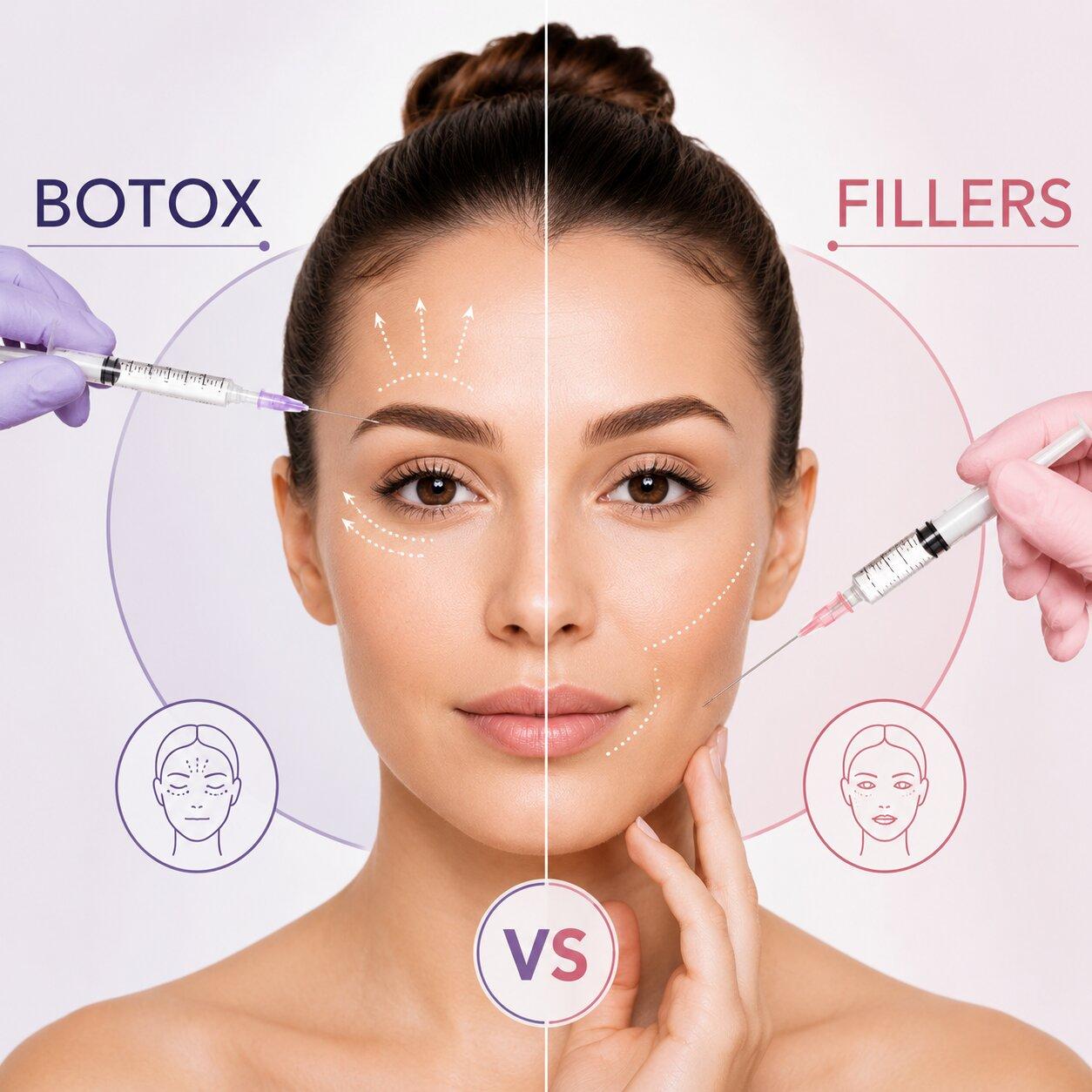
Botox and dermal fillers are the two main treatments used in cosmetic dermatology to reduce wrinkles and restore facial volume. Many individuals misinterpret or use the terms interchangeably, despite the fact that both are well-liked injectable treatments intended to improve face appearance. In actuality, they function rather differently and are most appropriate for certain issues.
This comprehensive guide explains the key differences between Botox and fillers, how each treatment works, and which one might be right for your specific aesthetic goals. Whether you're looking for anti-aging solutions or facial rejuvenation, understanding these treatments will help you make an informed decision. If you're exploring Botox Treatment in PCMC, you'll want to know how it differs from fillers before scheduling a consultation with a qualified aesthetic professional.
What is Botox?
Botulinum toxin Type A, a neurotoxin generated by the bacterium Clostridium botulum, is marketed under the brand name Botox. Botox is meticulously refined and diluted for use in medical and cosmetic procedures to produce injectable therapies that block nerve signals to face muscles.
How Botox Works
The way Botox injections function is by stopping the release of acetylcholine, a neurotransmitter that causes muscles to contract. Botox temporarily relaxes some facial muscles when administered into certain muscles.
Dynamic wrinkles brought on by repeated facial emotions like frowning, squinting, or lifting eyebrows are smoothed out by this relaxation.
Usually lasting three to four months, the benefits are transient. Wrinkles progressively resurface after this time because the muscles may contract again and the nerve endings renew. Maintaining results requires frequent maintenance treatments.
FDA-Approved Uses
In 2002, the FDA authorized Botox for cosmetic purposes, first for the treatment of frown lines between the eyebrows. Crow's feet and forehead lines have been authorized since then. Dermatologists and aesthetic professionals use Botox off-label for a variety of other cosmetic and therapeutic uses outside of these basic indications, all in accordance with accepted professional guidelines.
Common Treatment Areas
- Glabellar region (frown lines between eyebrows)
- Forehead lines
- Crow's feet (around the eyes)
- Bunny lines (on the sides of the nose)
- Jawline and chin for subtle contouring
- Neck bands (platysma bands)
- Longevity of Results
Results with Botox usually show up in 3 to 7 days, and complete effects take around 2 weeks to manifest. For about three to four months, the results level off and don't change. To preserve their results, the majority of patients decide to repeat treatments every three to four months, though this can vary depending on each patient's metabolism and muscle mass.
Benefits of Botox
- Smooths dynamic wrinkles caused by facial expressions
- Non-invasive with no downtime
- Quick procedure (usually 10-15 minutes)
- Highly customizable based on desired results
- Can be used preventatively to slow wrinkle formation
- What Are Dermal Fillers?
Injectable materials called dermal fillers are used to fill in wrinkles, restore lost facial features, and give the skin more volume. Fillers function by physically adding volume beneath the skin's surface, in contrast to Botox, which relaxes muscles. Compared to conventional volumizers, they can also promote the formation of collagen, resulting in longer-lasting effects.
Types of Dermal Fillers
Several types of dermal fillers exist, each with different compositions and longevity. Here are the most common:
- Hyaluronic Acid: Fillers The body naturally contains hyaluronic acid (HA), which hydrates and retains moisture in the skin. Because they are biocompatible, reversible using an enzyme called hyaluronidase, and non-permanent, HA fillers like Juvederm and Restylane are widely used. Usually, they endure six to twelve months.
- Calcium Hydroxylapatite Fillers: Calcium hydroxylapatite (CaHA) is a bio-stimulatory filler that stimulates the body to create its own collagen while also adding volume. Companies such as Radiesse offer instant volume and gradually enhance the quality of the skin. Compared to HA fillers, the results usually last 12 to 18 months.
- Poly-L-Lactic Acid Fillers Poly-L-lactic acid (PLLA) is a collagen-stimulating filler that is present in products such as Sculptra. Instead of giving you benefits right away, it encourages your body to make new collagen over the course of weeks and months. It's great for people looking for long-term face rejuvenation because the results can last up to two years.
Areas Treated with Fillers
- Lips (for plumpness and definition)
- Cheeks (for lift and contouring)
- Nasolabial folds (smile lines from nose to mouth)
- Under-eye hollows (tear troughs)
- Chin and jawline (for definition and projection)
- Temples (for facial balance)
- Marionette lines (lines from corners of mouth downward)
- Longevity of Filler Results
The type of filler used determines how long it takes. The average lifespan of hyaluronic acid fillers is six to twelve months. The duration of calcium hydroxylapatite is 12 to 18 months. Results from poly-L-lactic acid can last for at least two years. Individual aspects include metabolism, injection technique, and filler depth influence longevity.
Benefits of Fillers
- Restores lost facial volume
- Fills static wrinkles and folds
- Defines and contours facial features
- Some fillers stimulate collagen for long-term skin improvement
- Results visible immediately to within weeks
- Can be reversed (in the case of HA fillers)
- Botox vs Fillers – Key Differences
The main distinctions between Botox and dermal fillers are shown in the following comparison table:
|
Aspect |
Botox |
Fillers |
|
Purpose |
Relaxes facial muscles to smooth dynamic wrinkles |
Adds volume, fills static wrinkles |
|
How it Works |
Blocks nerve signals to relax muscles |
Physically adds volume beneath skin |
|
Best For |
Expression lines (forehead, crow's feet, frown lines) |
Volume loss, static wrinkles, feature definition |
|
Results |
Appear in 3-7 days, full effect in 2 weeks |
Immediate to visible within weeks |
|
Duration |
3-4 months (temporary) |
6-24 months depending on type |
|
Downtime |
Minimal; can resume activities immediately |
Minimal; can resume activities immediately |
|
Side Effects |
Bruising, swelling, rare eyebrow drooping |
Swelling, bruising, rare lumps or infection |
|
Maintenance |
Requires regular treatments every 3-4 months |
Requires touch-ups every 6-24 months |
Which Areas Can Fillers Treat?
Dermal fillers are versatile and can address volume loss and static wrinkles throughout the face. Common treatment areas include:
- Lips: Fillers give lips additional volume and definition. They can improve lip symmetry, add central fullness, or improve lip margins.
- Cheeks: Well-placed cheek filler gives the midface its youthful fullness, defines the cheekbones, and generates lift.
- Nasolabial Folds: Fillers can greatly soften or remove the lines that run from the nose to the corners of the mouth.
- Under-Eye Hollows (Tear Troughs): By addressing the shadowing and depression beneath the eyes, fillers can give the appearance of rest and youth.
- Chin: Fillers can enhance overall face proportions or give a depressed chin more projection.
- Jawline: Carefully placing filler along the jaw improves face features and adds definition.
- Temples: For improved facial balance and an elevated look, fillers can be used to repair volume loss in the temples.
Which Areas Can Botox Treat?
Botox is particularly effective for upper facial rejuvenation. Here are the primary areas where Botox can be applied:
- Forehead Lines: Botox injections into the frontalis muscle helps smooth out horizontal lines that result from repeatedly raising the eyebrows.
- Frown Lines (Glabellar Lines): Botox was the first FDA-approved cosmetic procedure for the vertical lines between the eyebrows, sometimes known as the "11s," and it works incredibly well.
- Crow's Feet: Little Botox injections in the lateral orbital region can greatly minimize fine wrinkles that radiate from the outer corners of the eyes.
- Bunny Lines: Botox can be used to address the horizontal creases that form on either side of the nose when you scrunch your nose.
- Jaw Slimming: By relaxing these strong muscles, Botox injections into the masseter muscles (jaw muscles) can have a mild slimming effect.
- Gummy Smile Correction: By relaxing the muscles that raise the upper lip, Botox can lessen excessive gum show when smiling.
- Chin Dimpling: Targeted Botox injections can relax the mentalis muscle, which causes dimpling in the chin.
- Neck Bands (Platysmal Bands): Botox can soften the noticeable vertical muscle bands in the neck, resulting in a smoother neckline.
Benefits of Professional Consultation
Before pursuing any cosmetic treatment, a thorough professional consultation is invaluable.
- Comprehensive Evaluation of the Face To determine what may be changed, a trained specialist looks at the proportions, asymmetries, skin quality, and facial anatomy.
- Individualized Therapy Scheduling A specialist creates a personalized plan that addresses your unique concerns based on your goals and facial anatomy.
- Having Reasonable Expectations To avoid disappointment, experts talk about what outcomes are possible with your special qualities.
- Safety Assurance Skilled professionals are aware of potential side effects, contraindications, and appropriate aftercare.
- Selecting Skilled Experts Look for board-certified plastic surgeons or dermatologists with specialized training and experience in injectables. Check credentials, request before-and-after pictures, and read patient testimonials.
Conclusion
Both dermal fillers and Botox are effective, safe methods of rejuvenating the face, but they treat different issues and function differently. In order to avoid future lines and smooth dynamic wrinkles, Botox relaxes muscles. Fillers fill in static creases, define facial features, and restore volume. Many people find that a combination strategy catered to their particular requirements yields the best outcomes.
Setting up a consultation with a licensed aesthetician is the most crucial stage since they can evaluate your issues, talk about your objectives, and suggest the best course of action. Knowing these distinctions gives you the freedom to make decisions about your looks and confidence, whether you're looking for comprehensive facial rejuvenation or preventative anti-aging treatment.
Bodysutra Clinique provides skilled dermatological care with an emphasis on natural, lovely results if you're thinking about cosmetic injectables. Our staff specializes in individualized cosmetic consultations and treatments and is conveniently located in PCMC Skin Clinic, servicing patients around Pimpri Chinchwad. Every patient benefits from the years of specialized dermatological experience of Dr. Vrushali Nikam (MBBS, DDVL, FRGUHS). We can help you feel and look your best, whether you're interested in combo treatments, Botox, or fillers. To find out which therapy is best for you, make an appointment for your consultation with our Pimpri Chinchwad Skin Clinic right now.

 English
 Arabic
 French
 Spanish
 Portuguese
 Deutsch
 Turkish
 Dutch
Dutch
 Italiano
 Russian
 Romaian
 Portuguese (Brazil)
