


How to Care for a Turkish Wool Rug: Cleaning & Maintenance Tips
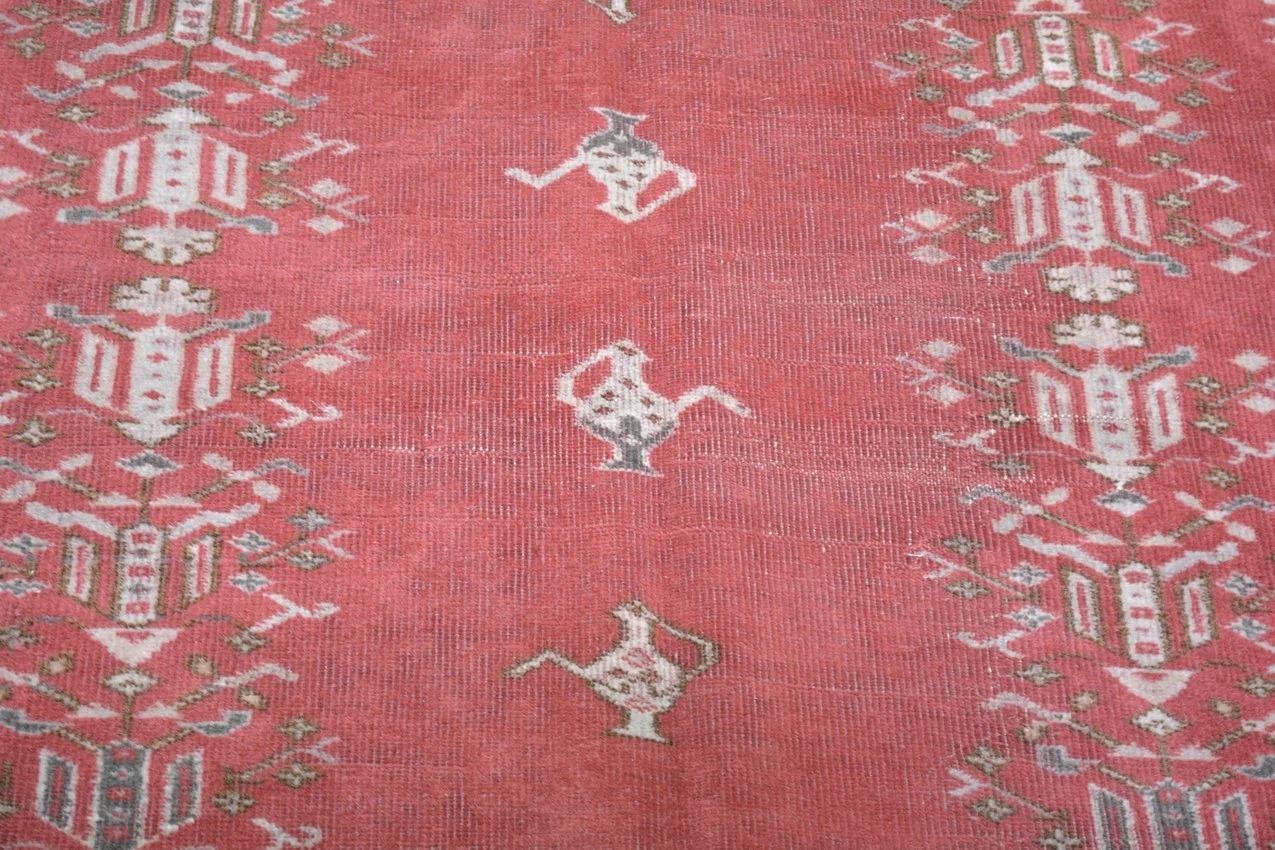
A Turkish wool rug is an investment built to last a lifetime — but only if you care for it properly. The good news is that natural wool is one of the most forgiving fibers you will ever work with. It resists dirt, repels moisture, and bounces back from heavy foot traffic in ways that synthetic materials simply cannot match. With the right care routine, your rug will not just survive — it will flourish.
Understanding Wool: Your Rug's Natural Advantage
Wool fibers are coated in natural lanolin, a waxy substance that repels liquid and prevents stains from setting quickly. This gives you a vital window of time to address spills before they become permanent. Unlike synthetic rugs that absorb liquids immediately, a quality wool Turkish rug gives you several minutes to react.
Wool is also naturally antibacterial and dust-mite resistant, making it an excellent choice for households with allergies — provided it is kept clean and dry.
Daily and Weekly Maintenance
Vacuum regularly — but gently. Vacuum your Turkish wool rug once or twice a week, depending on foot traffic. Always vacuum in the direction of the pile, never against it. Avoid using a beater-bar attachment on finely knotted rugs, as the aggressive rotating brushes can pull and damage fibers.
Rotate every 3 to 6 months. Sunlight and foot traffic create uneven wear patterns. Rotating your rug ensures all areas age at the same rate, keeping the colors and pile height consistent.
Use a quality rug pad. A non-slip pad underneath your rug prevents bunching, protects the backing, and adds cushioning underfoot. It also improves airflow, which helps prevent moisture buildup beneath the rug.
Dealing with Spills Immediately
Speed is everything when a spill happens. Follow these steps:
• Blot — never rub — the spill immediately with a clean, dry white cloth.
• Work from the outside of the spill inward to prevent spreading.
• For water-based spills (wine, juice, coffee), blot dry, then apply a small amount of cold water and blot again.
• For oil-based spills, sprinkle a small amount of baking soda to absorb the grease before blotting.
• Never use hot water — it can set stains and damage wool fibers.
Avoid commercial carpet cleaners with bleach or harsh chemicals. These strip the natural lanolin from wool and cause irreparable color damage on authentic rugs.
Deep Cleaning Your Turkish Rug
A thorough deep clean should happen every 12 to 18 months, depending on use. There are two approaches:
Professional cleaning: The safest option for fine hand-knotted rugs. A specialist rug cleaner will wash the rug by hand, using PH-neutral wool-safe detergents and allowing it to dry flat in a controlled environment. Always choose a cleaner with specific experience in oriental and hand-knotted rugs.
Home washing (low-pile and kilim rugs): Flat-weave and kilim styles can sometimes be washed at home. Take the rug outside on a warm day. Lay it flat on a clean surface. Use a hose, lukewarm water, and a small amount of wool-safe detergent. Scrub gently with a soft brush in the direction of the pile, rinse thoroughly, and lay flat in the shade to dry. Never dry a wool rug in direct sunlight, as UV exposure causes colors to fade rapidly.
Preventing Long-Term Damage
• Sunlight: Position rugs away from south-facing windows or use UV-filtering window treatments to protect colors from fading.
• Furniture legs: Use furniture cups or felt pads under heavy legs to prevent crushing the pile permanently.
• Pets: Trim pet nails regularly to prevent snagging. Address pet accidents immediately with cold water and enzyme-based cleaners specifically formulated for wool.
• Moth prevention: Wool is susceptible to moth damage, especially in storage. Use cedar blocks or lavender sachets near stored rugs. Never store a rug in a damp environment.
Storing Your Turkish Rug
If you need to store your rug, roll it — never fold it. Folding creates permanent creases that can crack the foundation. Roll the rug with the pile facing inward, wrap it in breathable cotton muslin or acid-free paper, and store it in a cool, dry location away from direct light and humidity.
When you unroll your rug after storage, lay it flat and allow any creases to relax naturally. A heavy book or furniture placed on stubborn folds overnight usually resolves them.
When to Seek Professional Help
Do not attempt to repair fringe, reweave damaged areas, or address severe staining at home. Contact a professional rug restorer for any structural damage. Well-maintained Persian rugs and Turkish hand-knotted rugs are worth the investment of expert care — restoration costs far less than replacement.
Conclusion
Caring for a Turkish wool rug is less complicated than most people fear. A consistent routine of gentle vacuuming, prompt spill response, and occasional professional cleaning will keep your rug looking magnificent for decades. Treat it with respect, and it will reward you with beauty, warmth, and character that only improves with age.

 English
 Arabic
 Spanish
 Portuguese
 Deutsch
 Turkish
 Dutch
Dutch
 Italiano
 Russian
 Romaian
 Portuguese (Brazil)
 Greek
Greek
