


Which Laboratory Air Dryer Is the Right Fit for a Small Research Lab?
Small research labs put a lot of care into the instruments they buy and the procedures they run, but the compressed air feeding those instruments often gets overlooked. Moisture in a compressed air line causes corrosion, contamination, and inaccurate readings, especially in precision environments where repeatability matters. Choosing the right laboratory air dryer means knowing what each type actually does under real conditions, not just what the spec sheet says.
Four Types, One Laboratory Air Dryer Worth Getting Right
Most compressed air dryer laboratory setups fall into one of four categories: refrigerated dryers, regenerative desiccant dryers, non-regenerative cartridge dryers, and deliquescent dryers. They all remove water from compressed air, but the mechanisms, performance ceilings, and maintenance demands differ enough that picking the wrong one can cause real problems.
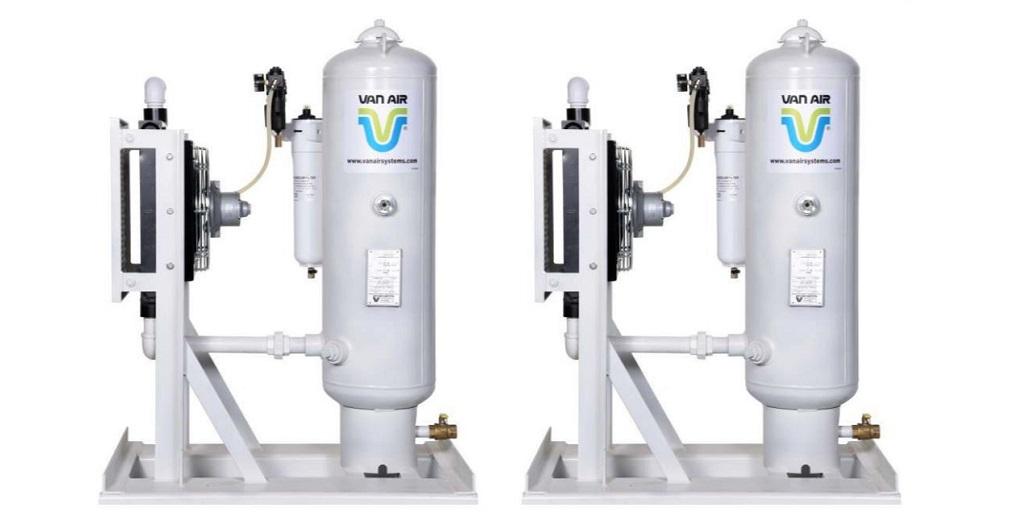
Refrigerated air dryer lab systems work by cooling the incoming air stream until moisture condenses and drains out. They're dependable, relatively affordable, and handle dew point requirements of around 35 to 50°F without much fuss. For a laboratory air dryer in a general research setting, refrigerated units cover most common needs without the cost or complexity of desiccant systems. When instruments are more demanding, a desiccant air dryer lab setup takes over. Regenerative desiccant units cycle between two desiccant chambers, regenerating one while the other dries the incoming air, and they can reach dew points of -40°F or lower. That level of performance matters for analytical instruments air applications like gas chromatography or mass spectrometry, where trace humidity in the supply line throws off results.
Non-regenerative cartridge dryers take a simpler approach. Air passes through a single-use desiccant cartridge, which is replaced when the material is spent. No power supply, no drain, no control panel. For a lab dry-air system supplying a single instrument with low to moderate demand, a cartridge dryer handles the job without the overhead of a larger unit. Deliquescent dryers use a hygroscopic salt tablet that dissolves as it absorbs moisture from the airstream. These are passive, low-cost, and require no power, but they can't reach low dew points and carry a real risk of dissolved media entering the air supply. For instrument air dryer applications serving sensitive equipment, that contamination risk makes deliquescent dryers a poor match.
What Actually Works for a Small Research Laboratory Air Dryer Setup
The real decision for most small labs isn't which type is technically superior. It's which type solves their actual problem within their actual constraints. Space is limited. Budgets are limited. And the answer for a lab with two instruments and a small compressor looks very different from one running a full analytical suite.
A membrane air dryer laboratory installation offers a compact, passive option for point-of-use setups, using hollow-fiber membranes to allow water vapor to escape from the airstream without any moving parts or electrical connections. They do consume a portion of compressed air as purge, which limits them to lower-flow situations. For a laboratory air dryer serving a single instrument location, membrane dryers are worth considering if the dew point requirement isn't extreme. Labs with high-sensitivity instruments and continuous demand usually run a refrigerated dryer at the compressor for bulk moisture removal, then add a cartridge dryer directly at the instrument for a final pass. That two-stage approach covers most research lab scenarios without the cost or footprint of a full regenerative desiccant system.
Getting the Size Right on Your Laboratory Air Dryer
Type selection is only half the decision. Sizing a dryer correctly for the actual flow rate and inlet conditions matters just as much. An undersized unit lets moisture through under peak demand. An oversized one wastes money without delivering better results.
The application drives the answer. A lab running a single bench instrument has very different needs from one operating multiple gas analyzers continuously. Labs that want to work through the specifics of their setup can find detailed technical guidance on laboratory air dryer selection and sizing at Air & Vacuum Process, which specializes in compressed air and vacuum systems for laboratory and industrial use.
For more information about Silent Air Compressors and Regenerative Desiccant Air Dryer Please visit: Air & Vacuum Process Inc.

 Arabic
 French
 Spanish
 Portuguese
 Deutsch
 Turkish
 Dutch
Dutch
 Italiano
 Russian
 Romaian
 Portuguese (Brazil)
 Greek
Greek
