


How Food Donation Supports Families and Reduces Food Waste
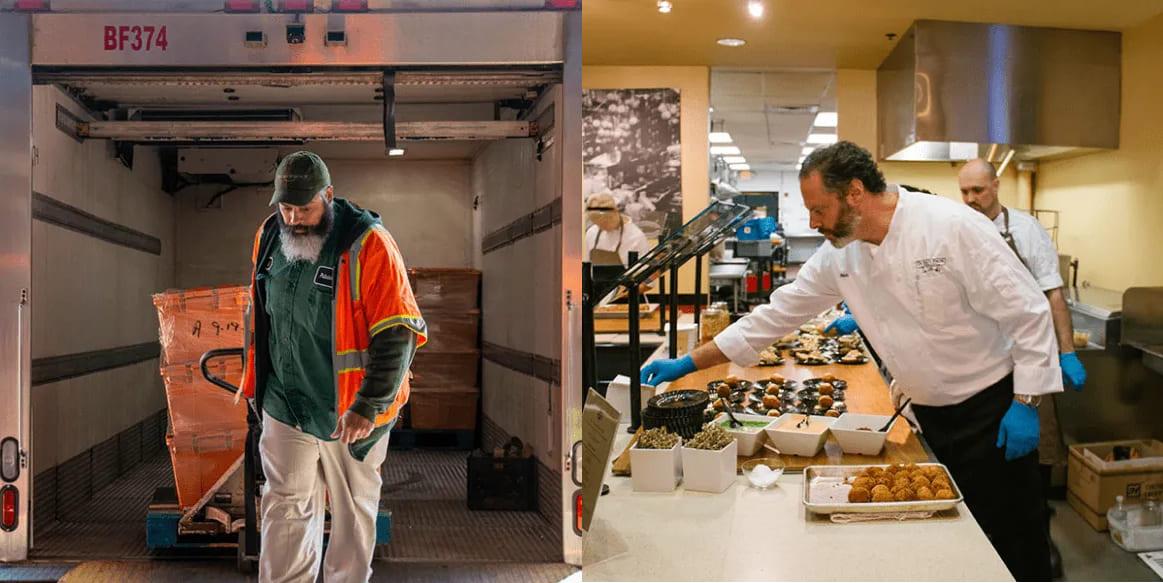
Food donation creates a direct connection between surplus food and people who need it most.
Every day, nutritious products remain unused across the food supply chain, from farms and manufacturers to grocery stores and restaurants. When these items are donated instead of discarded, they can support families, seniors, children, and individuals facing food insecurity.
In Philadelphia, many organizations, businesses, and community members contribute to hunger relief efforts by donating products that are safe, nutritious, and ready to be shared. These contributions help strengthen local food networks while reducing unnecessary waste.
How Food Donations Support Communities
Access to healthy food can be difficult for many households. Food donations provide fresh produce, dairy products, proteins, frozen foods, and shelf-stable goods to local distribution programs.
A donated pallet of vegetables from a grower, excess inventory from a distributor, or packaged goods from a manufacturer can reach community organizations that serve people in need. These donations increase the quantity and variety of food available to local families.
The impact extends beyond individual meals. Reliable food supplies help community organizations plan services, maintain inventory, and respond to changing needs more effectively.
Food Industry Partners Make a Difference
Businesses across the food industry have opportunities to contribute. Growers, importers, manufacturers, wholesalers, distributors, and producers may have products that remain safe for consumption but cannot be sold through traditional channels.
Items may include seasonal inventory, packaging changes, surplus production, or products approaching retail deadlines. Instead of sending these foods to disposal facilities, organizations can donate them to hunger relief programs that follow established food safety standards.
Many food banks accept fresh produce, meat, dairy products, dry goods, refrigerated foods, and frozen items. Clear donation guidelines help ensure products meet quality and safety requirements before distribution.
The Value of Donating Food from Retail Locations
Retail businesses also contribute significant amounts of edible food. Grocery stores, restaurants, caterers, event venues, and food service providers frequently identify surplus items that remain safe and nutritious.
Industry standards may require certain products to leave store shelves before their quality declines. These foods can still provide valuable nutrition when redirected quickly to community partners.
Efficient donation programs help move products from retail locations to distribution centers and local agencies. This process helps reduce food waste while increasing access to healthy food options.
Hosting a Food Drive
Food drives offer another important way to support hunger relief efforts. Schools, workplaces, community groups, and neighborhood organizations can organize collection campaigns for non-perishable foods.
Traditional food drives gather physical items, while virtual food drives allow participants to contribute resources online. Both approaches help community organizations secure food supplies for residents.
Successful food drives typically focus on nutritious items with longer shelf lives, including canned vegetables, beans, rice, pasta, cereal, and shelf-stable proteins.
Options for One-Time Donors
Individuals and organizations with smaller quantities of food can still make a valuable contribution. Many local agencies accept donations directly, especially non-perishable products that meet safety standards.
Before delivering food, it is helpful to contact the receiving location to confirm acceptance requirements and available storage capacity. This simple step helps ensure donations can be used efficiently.
Even a single donation can support local programs and contribute to broader hunger relief efforts within a community.
Supporting Hunger Relief Efforts
Food recovery programs create practical solutions for managing surplus food while helping neighbors access nutritious meals. Businesses, community groups, and individuals each have opportunities to participate.
For those interested in learning more about donation opportunities, Philabundance helps connect surplus food with communities facing hunger. To donate today, contact donatefood@philabundance.org.
For More Information About Food Rescue and Local Food Bank Please Visit: Philabundance.

 English
 Arabic
 French
 Spanish
 Portuguese
 Deutsch
 Turkish
 Dutch
Dutch
 Italiano
 Russian
 Romaian
 Greek
Greek
