


What Is a Solar Encapsulant? A Complete Guide for 2026
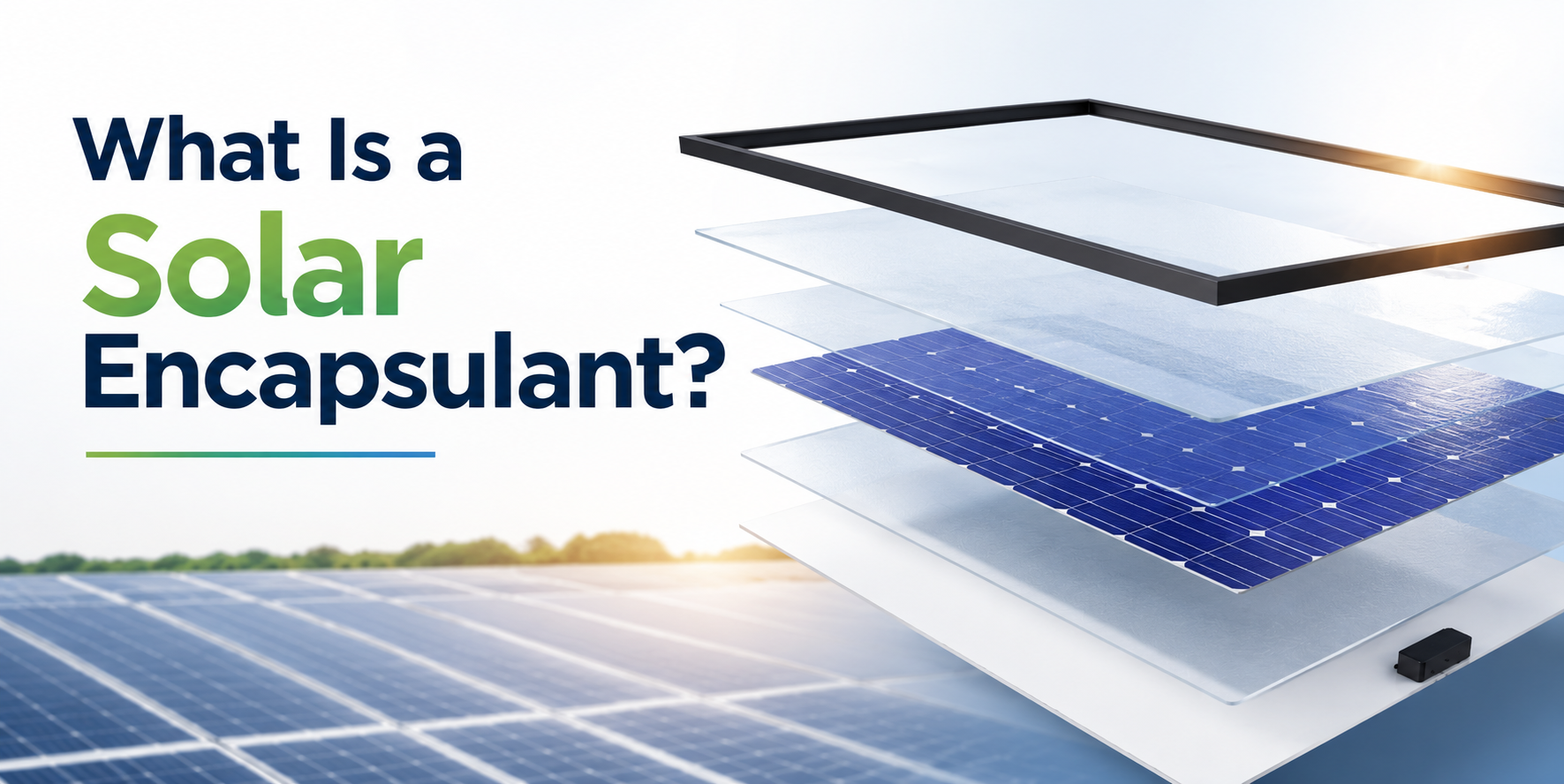
When you look at a solar panel on a roof, you see glass and dark blue or black cells. What you do not see is the secret layer holding everything together. This hidden layer is called a solar encapsulant. It acts like the glue in a sandwich, keeping the delicate parts safe from the outside world. Without this layer, a solar panel would not last more than a few months in the rain and sun.
Choosing the right protection is the difference between a panel that lasts ten years and one that lasts twenty-five years. As technology improves in 2026, understanding these materials helps you make better choices for clean energy. Let’s explore what makes this material so special and why it is the backbone of every solar energy system.
What Is a Solar Encapsulant?
If you are wondering, "What Is a Solar Encapsulant?" the answer is quite simple. It is a thin, clear sheet of material that wraps around the solar cells inside a panel. Most panels have two layers of this material. One layer sits between the front glass and the solar cells. The other layer sits between the cells and the back cover. During the building process, these layers melt and seal the cells in a vacuum.
This material provides a protective shield. Solar cells are made of silicon, which is very brittle and can crack easily. The encapsulant acts as a cushion. It absorbs shocks from hail or wind while keeping water and air away from the electrical parts. By using a high-quality Solar Encapsulant, manufacturers ensure that the panel stays efficient for decades.
How Does a Solar Encapsulant Work?
This material works through a process called lamination. During manufacturing, the layers of the panel are stacked like a cake. The stack goes into a large machine that applies heat and pressure. The encapsulant melts and flows around every corner of the solar cells. This creates a solid, airtight block. Once it cools, it turns from a soft sheet into a tough, rubbery plastic.
Its main job is to keep things in place. Because solar panels sit outside, they get very hot during the day and cold at night. This causes the metal and glass to expand and shrink. The encapsulant is flexible, so it stretches and moves without letting the cells break. It also ensures that the light from the sun can pass through the glass and hit the cells without any bubbles or blocks in the way.
Types of Solar Encapsulants
Not all materials are the same. Different panels need different types of protection based on where they will be used and how they are built. Choosing the right Encapsulants in Solar Panels depends on the specific needs of the project.
1. EVA Encapsulant
EVA stands for Ethylene Vinyl Acetate. This has been the most popular choice for a long time. It is liked because it is affordable and very easy to work with during manufacturing. It does a great job of letting light through and sticking to the glass. For most standard home solar panels, Solar EVA Encapsulant is the reliable choice that keeps costs down while providing good protection.
2. POE Encapsulant
POE stands for Polyolefin Elastomer. This is a newer, high-tech option. It is becoming very popular for high-efficiency panels, especially those that catch light on both sides. Solar POE encapsulant is better at keeping out moisture than EVA. It also handles high voltage better, which prevents a problem called PID (Potential Induced Degradation). If you live in a very humid or rainy area, POE is often the better pick.
3. EPE Encapsulant
EPE encapsulant is a "sandwich" material. It has a layer of POE in the middle and layers of EVA on the outside. This gives you the best of both worlds. You get the great moisture protection of POE and the excellent sticking power of EVA. It is a smart way to get high performance without the higher price tag of pure POE. Many modern panels are moving toward this design to improve long-term durability.
Why Solar Encapsulants Are Important
Solar panels are a big investment. You want them to work for a long time to save money on power bills. The answer to "What Is a Solar Encapsulant?" is also the answer to how panels survive the weather. Without it, moisture would reach the silver wires inside the panel. This would cause rust and the panel would stop making electricity.
Also, these materials help keep the panel cool. They help move heat away from the cells so they do not overheat. When a cell gets too hot, it becomes less efficient. By managing heat and blocking moisture, the Solar Encapsulant acts as the primary guardian of your green energy investment. It turns a fragile piece of silicon into a rugged tool for the outdoors.
Main Features to Look in Solar Encapsulant
When looking for the best Encapsulants in Solar Panels, there are several features that matter most. These features ensure the panel doesn't just work today, but keeps working in 2040 and beyond.
1. Superior Mechanical Strength
The material must be tough. It has to hold the glass and the cells together even if the panel is bumped or moved. High mechanical strength prevents the layers from peeling apart over time, which is a common cause of panel failure.
2. Exceptionally high optical transmittance
This is a fancy way of saying the material must be perfectly clear. If the sheet is even a little bit cloudy, it blocks sunlight. Every bit of light blocked is energy lost. High-quality materials allow almost 100% of light to pass through to the cells.
3. Electrical insulation
Solar panels create a lot of electricity. The encapsulant must act as an insulator to make sure the electricity flows through the wires and not into the metal frame of the panel. This keeps the system safe for people and pets.
4. UV resistance
The sun emits UV rays that can damage plastics, making them turn yellow or brittle. A good material has special blockers that stop this from happening. This ensures the panel stays clear and flexible for its whole life.
5. Mechanical Support and Reinforcement
Solar cells are as thin as a piece of paper. They are very easy to snap. The encapsulant provides a soft but firm bed for these cells. This support is vital during installation when workers are handling the heavy panels on roofs.
6. Effective heat conduction
While the material is an electrical insulator, it should still help move heat. Proper heat conduction prevents "hot spots" from forming. Hot spots can burn through the back of a panel and cause permanent damage.
7. Ability to withstand thermal fluctuations
In many places, a panel might be 0 degrees at night and 65 degrees in the sun. The material must be able to expand and contract thousands of times without cracking or losing its grip on the glass.
8. Resistance to Oxidation
Oxidation happens when oxygen reacts with materials, causing them to break down or rust. A high-quality seal keeps oxygen out. This protects the delicate metal connections inside the panel from turning green or black over time.
Why Choose Raynex Solar for encapsulant?
Raynex Solar is a leader in providing top-tier materials for the solar industry. We understand that the small details make the biggest difference in energy production. When you ask "What Is a Solar Encapsulant?" you are really asking about quality. We provide materials that meet the highest standards for clarity and strength.
Our products are tested in extreme conditions, from scorching deserts to freezing mountains. By choosing Raynex Solar, you are choosing peace of mind. We focus on the science of protection so that your panels can focus on the science of making power. Our materials are designed for the latest panel designs, ensuring your 2026 projects are built to last.
Contact Raynex Solar
Address:
806, Sarthana Business Hub, Sarthana-Jakatnaka, Surat , Gujarat - 395006.
Phone:
+91 87586 12077
Conclusion
Understanding the parts of a solar panel helps you appreciate the technology on your roof. While the solar cells do the work of making power, it is the encapsulant that allows them to do that work safely. It provides the strength, clarity, and protection needed to fight the elements year after year.
If you want a system that stands the test of time, pay attention to these hidden layers. Using the right materials today means you won't have to worry about your energy future tomorrow. If you are ready to build or buy solar panels, make sure they use the best protection available. Quality materials are the secret to a brighter, greener world.
FAQs
1. Does the encapsulant affect the efficiency of the panel?
Yes. If the material is not perfectly clear, it will block some sunlight. Also, if it degrades and turns yellow, the panel will produce much less power over time.
2. How long does a solar encapsulant last?
Most are designed to last at least 25 to 30 years. High-quality materials like POE can often last even longer under harsh conditions.
3. What is the difference between EVA and POE?
EVA is the standard, low-cost choice for most panels. POE is more expensive but better at blocking moisture and preventing electrical leaks in high-end panels.
4. Can you replace the encapsulant if it fails?
No. Once the panel is laminated, it is a solid block. If the layer fails or peels, the entire panel usually needs to be replaced.
5. Why do some older solar panels look yellow?
This is usually because they used a low-quality material that did not have enough UV protection. Modern materials are much better at staying clear for decades.

 English
 Arabic
 French
 Portuguese
 Deutsch
 Turkish
 Dutch
Dutch
 Italiano
 Russian
 Romaian
 Portuguese (Brazil)
 Greek
Greek
