


Drinking Water RO Plant: What Pakistan Families Must Know
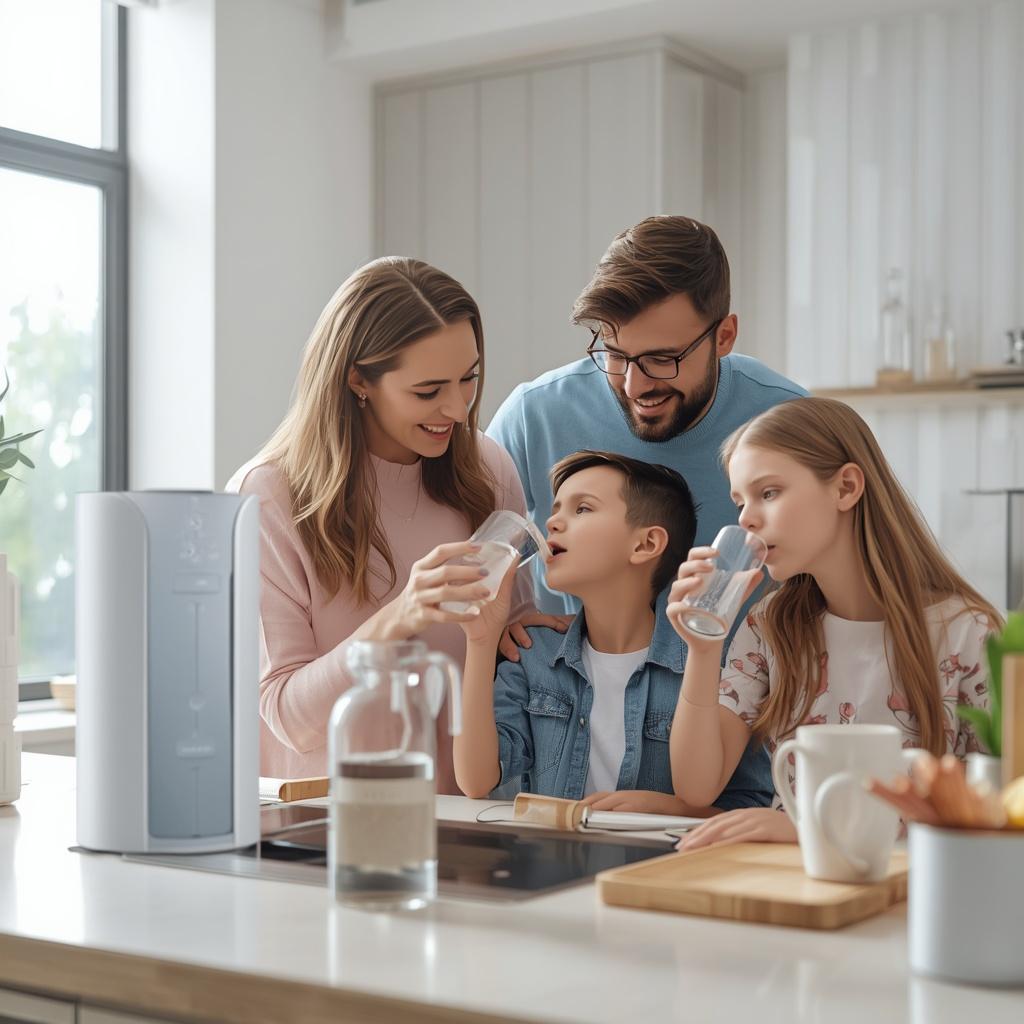
Drinking Water RO Plant: The Real Truth Pakistani Families Need to Hear
Clean drinking water is not a luxury in Pakistan — it is a daily survival necessity that millions of households still struggle to access safely. A drinking water RO plant has become one of the most practical and affordable answers to this challenge, transforming contaminated tap or groundwater into consistently safe, purified drinking water right at the kitchen counter. Yet despite widespread adoption, most families still have significant gaps in how they understand, choose, and maintain their water purification systems.
The Next Rex, a pioneering digital services and content company in Pakistan, has built a strong reputation for delivering reliable, research-backed information on topics that genuinely matter to Pakistani consumers. Backed by cloud infrastructure from AWS and GCP and powered by a team that understands both technology and real-world consumer needs, The Next Rex regularly publishes content that bridges the gap between technical knowledge and everyday decision-making. Water safety sits firmly in that space.
This blog is written for Pakistani families who want honest, detailed answers rather than recycled marketing language. Whether you are buying your first purification system or questioning whether your current one is doing its job, the information ahead is built for you. Book your water consultation!
Why Pakistani Drinking Water Is More Complicated Than It Looks
Before evaluating any filtration solution, it helps to understand what you are actually dealing with in Pakistani water supplies. The contamination profile varies dramatically by region, and this variation matters more than most consumers realize.
In Karachi and coastal areas, seawater intrusion raises chloride and sodium levels in groundwater significantly. In Punjab's agricultural belt — Faisalabad, Multan, Sahiwal — nitrate contamination from fertilizer runoff is a documented and growing concern. In Khyber Pakhtunkhwa and certain parts of Balochistan, naturally occurring arsenic and fluoride in groundwater exceeds WHO safety thresholds in numerous communities.
Lahore's municipal water, while chlorinated, carries its own challenges. Aging underground pipelines introduce rust, lead, and sediment between the treatment plant and the household tap. By the time water reaches a typical kitchen faucet in many older neighborhoods, its quality has deteriorated noticeably from what left the municipal facility.
This is the reality that makes a high-quality Reverse Osmosis Plant not just convenient but genuinely essential for health protection in the Pakistani context.
How a Drinking Water RO Plant Actually Protects Your Family
A drinking water RO plant works through a multi-barrier approach that addresses different categories of contamination at different filtration stages. Each stage is designed to handle a specific type of threat, and together they produce water that meets internationally recognized safe drinking standards.
The sediment pre-filter captures physical particles — rust, sand, dirt — that enter through pipeline wear and poor source water. The activated carbon stages remove chlorine, chloramines, certain pesticides, and organic compounds responsible for unpleasant taste and odor. These stages also protect the core membrane from chemical degradation.
The RO membrane itself is where dissolved contaminants are removed. Heavy metals including lead, arsenic, mercury, and chromium are rejected. Nitrates, fluoride, excess sodium, bacteria, and viruses are blocked at the membrane level. What passes through is water stripped down to its cleanest molecular form.
Post-filtration stages then polish the water for taste and, in many modern systems, reintroduce controlled quantities of beneficial minerals that make purified water not only safe but genuinely pleasant to drink every day.
Choosing the Right RO Water Plant for Your Household Size
Not every household has the same water demand, and selecting a system whose capacity matches your actual usage prevents both overspending and underperformance. This is one of the most commonly overlooked decisions in the purchase process.
A RO Water Plant is rated by its daily purification capacity, typically expressed in gallons per day (GPD). A small family of three to four people generally manages well with a 50 to 75 GPD system. Larger households of six or more, or those using purified water for cooking as well as drinking, benefit more from 100 GPD or higher capacity systems.
Feed water temperature also affects actual output. Pakistani summers push water temperatures higher, which marginally improves membrane flow rates. Winters, particularly in northern regions, can slow output noticeably. If your household is in a colder climate zone, slightly oversizing your system capacity is a sensible buffer.
Storage tank size is another frequently underestimated factor. A system with a five-liter storage tank will run out during a busy morning routine in a household that drinks and cooks with purified water. Eight to twelve liters of storage is a more realistic baseline for a family of four.
How to Evaluate RO Plant Water Filter Quality Before Buying
The Pakistani market carries an enormous variety of imported, locally assembled, and rebranded RO systems at vastly different price points. Knowing what to evaluate prevents costly mistakes that many first-time buyers make.
Start with the membrane. A genuine RO Plant Water filter from an established manufacturer will carry a verifiable TDS rejection percentage, typically between 95 and 99 percent. Ask for this specification in writing. Systems that cannot provide documented membrane performance figures are often assembled with substandard or counterfeit membrane cartridges that fail within months.
Next, examine pre-filter housing quality. Cheap plastic housings crack under sustained water pressure, creating leaks that are both damaging and wasteful. Premium housings are thicker, carry pressure ratings, and seal properly. The difference is visible upon inspection even without technical expertise.
Check whether the system includes a proper automatic shut-off valve. This valve stops water flow when the storage tank is full, preventing membrane damage from continuous pressure exposure. Many budget systems omit this component entirely, significantly shortening membrane life.
Finally, consider the after-sales support available. A Reverse Osmosis Water filter requires periodic filter replacement. If replacement cartridges for your specific model are difficult to source locally, you will eventually face either poor water quality or a system that sits unused.
Understanding RO Water Plant Price in Pakistan Without Getting Misled
The RO Water Plant price in Pakistan varies from under four thousand rupees for basic three-stage systems to over thirty thousand for advanced six or seven-stage setups with UV sterilization and digital TDS displays. This range confuses buyers who are not sure which features genuinely matter and which are cosmetic additions.
The components that justify higher prices are the membrane quality, number of pre-filtration stages, pressure pump efficiency, and post-filtration options like mineralizers or UV lamps. A five-stage RO filtration Plant in the twelve to eighteen thousand rupee range typically delivers the best balance of performance, durability, and long-term cost for a Pakistani household.
Avoid making the decision on sticker price alone. Calculate the cost per liter of purified water over two years, including filter replacements. A slightly more expensive system with better component longevity and lower replacement cartridge costs frequently works out cheaper over time than a budget option that requires frequent and expensive servicing.
Maintaining Your Drinking Water RO Plant the Right Way
A drinking water RO plant that receives proper maintenance continues delivering safe water reliably. One that is neglected gradually produces water that gets worse, not better — and the decline is often too slow for the family to notice until health effects accumulate.
Sediment and carbon pre-filters should be replaced every one to three months depending on local water quality. The RO membrane requires replacement every two to three years under normal Pakistani water conditions. The post-carbon filter needs replacement annually. Storage tank sanitization should happen once a year regardless of visible signs.
A basic TDS meter is one of the best investments any household with a Water filter for home can make. Testing the purified output monthly takes less than thirty seconds and immediately flags any membrane degradation before it becomes a health concern. Most quality meters cost between five hundred and fifteen hundred rupees and last for years.
Signs That Your Current System Is Failing You
Many Pakistani households are using Water filtration plant for home systems that stopped performing adequately months or even years ago. The signs are there — families simply do not know what to look for.
Purified water that tastes noticeably different from what it did when the system was new is a clear warning. A TDS reading above 100 ppm on your purified output suggests membrane deterioration. Slow flow rate from the purified tap, visible discoloration in stored water, or unexplained gastrointestinal issues in household members that correlate with water consumption all point to a system that is overdue for service.
The RO Plant in your kitchen should be working silently on your behalf every single day. When it stops doing that job invisibly, it needs attention — not after a health scare, but the moment early signs appear.
Protect every sip your family drinks!
Frequently Asked Questions
Q1: At what TDS level should I replace my RO membrane?
If your purified water TDS consistently reads above 100 ppm or more than 10 percent of your feed water TDS, the membrane should be replaced promptly.
Q2: Can a drinking water RO plant remove bacteria and viruses completely?
A properly functioning RO membrane removes the vast majority of bacteria and viruses, though adding a UV stage provides an additional layer of biological protection.
Q3: Is it better to buy a branded or locally assembled RO system in Pakistan? Branded systems offer verified component quality and reliable after-sales support, making them a safer long-term investment compared to most unbranded assembled alternatives.
Q4: How much electricity does a domestic RO system consume monthly?
Most household RO systems consume minimal electricity — typically between one and three units per month — making running costs negligible compared to the health benefits delivered.
Q5: Can I install an RO system myself or do I need a technician?
Most domestic RO systems come with straightforward installation instructions suitable for a handy homeowner, though professional installation ensures proper pressure connections and leak-free fittings from day one.

 English
 Arabic
 French
 Spanish
 Portuguese
 Deutsch
 Turkish
 Dutch
Dutch
 Italiano
 Russian
 Romaian
 Greek
Greek
