


What Are the Benefits of Radon Gas Inspection?
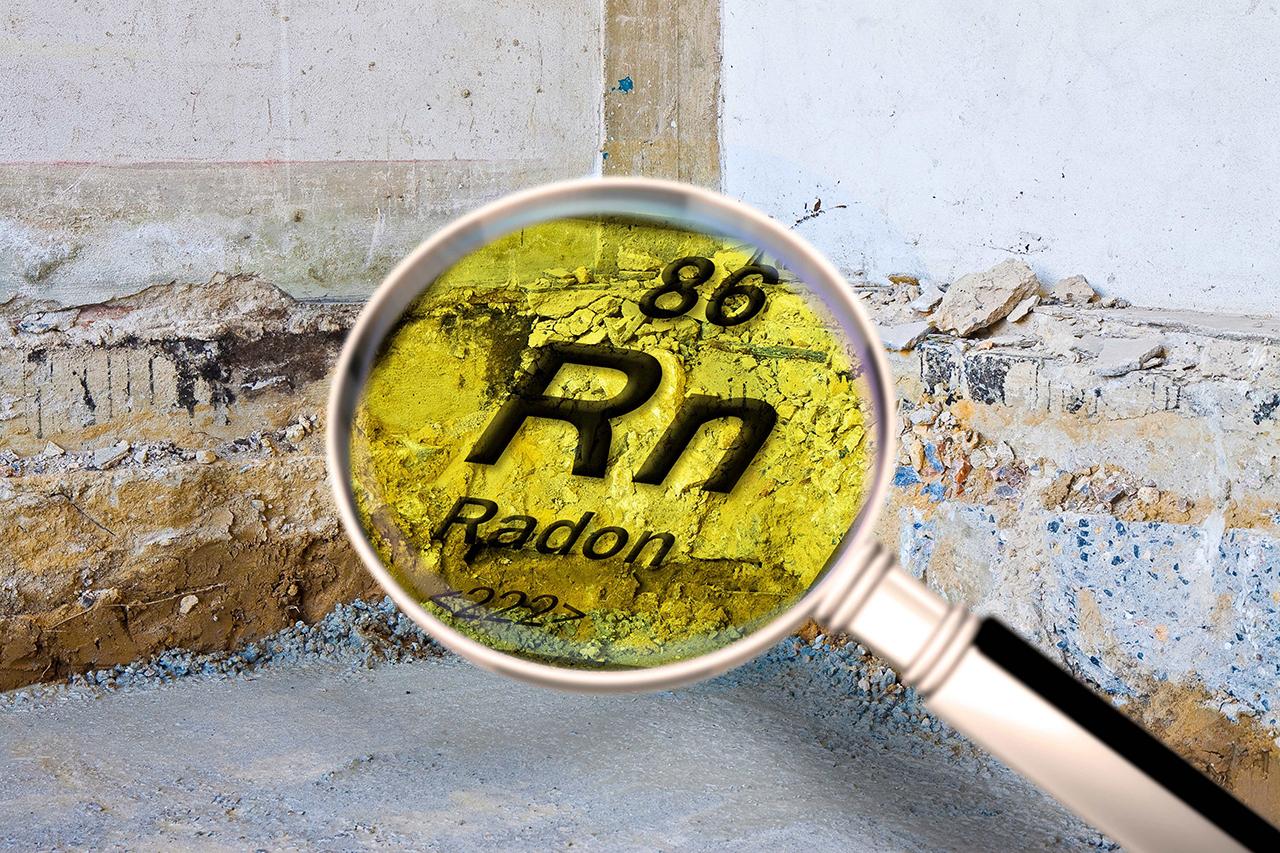
A healthy home depends on more than clean floors and well-maintained walls. Some environmental concerns remain completely invisible, making them difficult to recognize without proper testing. Radon Gas Inspection helps homeowners understand whether naturally occurring radioactive gas is present inside a property. Since radon cannot be seen, smelled, or tasted, testing is one of the most effective ways to evaluate indoor air conditions.
Radon enters buildings through small openings in foundations, floors, walls, and utility penetrations. Every home has different conditions, which means the level of exposure can vary even between neighboring properties. Learning about potential indoor risks allows homeowners to make informed maintenance decisions and create a safer living environment for their families.
What Is Radon and Why Should Homeowners Learn About It?
Radon is a naturally occurring gas created by the breakdown of uranium found in soil and rock beneath the ground. As it moves upward, it may enter homes through foundation cracks, sump pumps, crawl spaces, or other openings.Because it is invisible and odorless, people usually remain unaware of its presence unless proper testing is performed. Understanding how radon behaves helps homeowners appreciate the importance of monitoring indoor environments.Knowing where this gas comes from also encourages preventive maintenance that reduces unnecessary risks over time.
How Can Indoor Air Evaluations Improve Home Safety?
Monitoring indoor conditions provides valuable information that helps homeowners maintain a healthier property.
- Detects hidden environmental concerns before they become serious.
- Supports informed maintenance and improvement decisions.
- Encourages healthier indoor living conditions for occupants.
Regular evaluations reduce uncertainty and help homeowners protect their investment.
Understanding How Radon Enters Buildings
Homes naturally settle over time, creating small cracks and gaps in foundations, concrete slabs, and basement floors. These openings can become pathways through which underground gases move into indoor spaces.Construction style, soil composition, weather conditions, and ventilation systems all influence indoor gas levels. Even newly constructed homes can experience elevated concentrations because no building is completely sealed.Learning about these entry points allows homeowners to understand why periodic monitoring remains valuable throughout the life of a property.
Why Indoor Air Quality Matters
Indoor air quality affects comfort and overall living conditions. Although many people focus on dust, humidity, or ventilation, invisible environmental factors should also be considered.Proper airflow, moisture control, and routine evaluations contribute to healthier indoor environments. Small improvements in ventilation and maintenance often produce long-term benefits for the entire household.A proactive approach supports safer and more comfortable living spaces.
Why Is Radon Gas Inspection Important?
Radon Gas Inspection provides useful information that helps homeowners understand indoor environmental conditions before hidden concerns become larger issues.
- Identifies conditions that cannot be detected through sight or smell.
- Supports smarter property maintenance decisions.
- Encourages long-term protection of indoor environments.
Having reliable information allows homeowners to plan improvements with greater confidence.
Supporting Long-Term Property Maintenance
Responsible property ownership involves paying attention to hidden conditions as well as visible repairs. Regular evaluations help homeowners understand which areas deserve continued attention.Simple maintenance activities such as sealing foundation openings, improving ventilation, and monitoring moisture conditions can contribute to a healthier indoor environment. Preventive care often reduces future maintenance challenges while protecting property value.
Choosing the Right Approach for Home Protection
Every property is different, and factors such as location, construction style, soil conditions, and ventilation can influence indoor environmental quality. For this reason, homeowners should avoid assuming that one property's conditions are the same as another's.A practical maintenance plan includes regular monitoring of important areas, controlling moisture, improving ventilation where necessary, and paying attention to foundation openings. These simple actions support healthier indoor conditions and help homeowners stay informed about changes that may occur over time.Making informed decisions based on reliable information is always more effective than reacting after problems become significant.
How Can Professional Testing Support Better Decisions?
Professional testing provides homeowners with accurate measurements that cannot be obtained through a visual inspection alone.
- Offers dependable information about indoor conditions.
- Helps prioritize maintenance and improvement plans.
- Reduces uncertainty before important property decisions.
Reliable results make it easier to determine whether additional action is needed and provide confidence when planning future maintenance.
Preparing Your Home for Future Ownership
Whether planning to stay in a home for many years or preparing it for resale, preventive maintenance remains an important responsibility. Understanding indoor environmental conditions allows homeowners to address concerns before they affect the property's value or comfort.Routine evaluations also support long-term budgeting by helping owners anticipate maintenance needs instead of facing unexpected repairs. A proactive approach creates greater confidence and contributes to a healthier living environment.Well-maintained homes often provide better comfort, improved efficiency, and greater peace of mind for families.
The Importance of Preventive Home Maintenance
Preventive care is one of the most effective ways to protect a property's long-term condition. Instead of waiting until visible damage appears, homeowners benefit from monitoring hidden conditions that may gradually affect the building.Regular maintenance, proper ventilation, foundation care, and periodic environmental evaluations work together to support a healthier indoor environment. These efforts not only improve comfort but also help preserve the value of the property over time.Staying informed allows homeowners to make practical decisions that reduce future risks and create a safer place to live.
Summary
Maintaining healthy indoor air requires attention to environmental conditions that cannot always be detected without proper evaluation. Regular assessments help homeowners understand potential concerns, improve long-term maintenance planning, and create a safer indoor environment. Choosing a reliable Radon Gas Inspection Service provides valuable information that supports informed decisions, protects property value, and promotes healthier living conditions for years to come.

 English
 Arabic
 French
 Spanish
 Portuguese
 Deutsch
 Turkish
 Dutch
Dutch
 Italiano
 Romaian
 Portuguese (Brazil)
 Greek
Greek
