


What Makes an eSignature Legally Binding in 2025 and Why It Matters More Than Ever
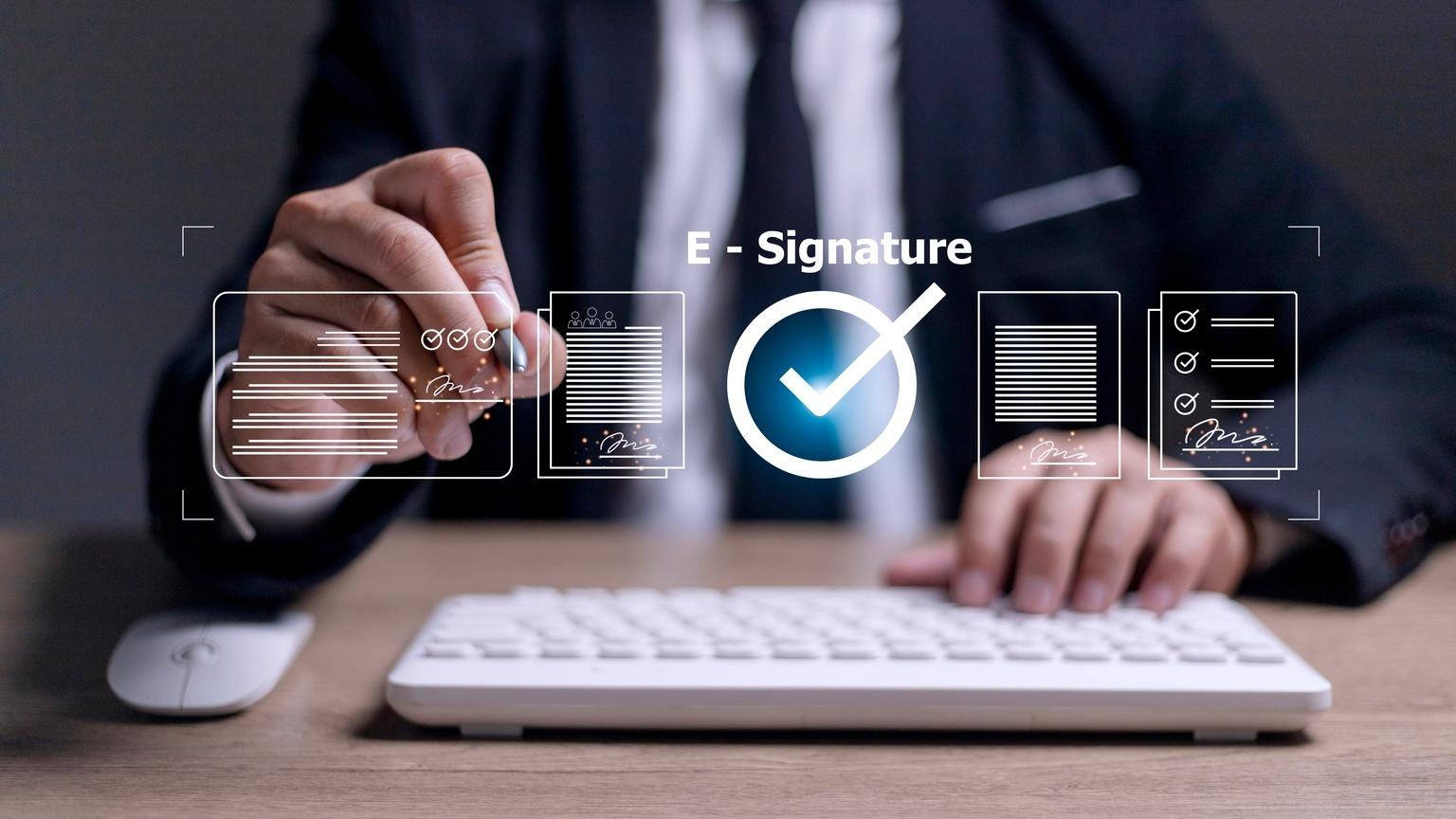
Picture this. A vendor agreement worth thousands of dollars. Both parties signed digitally. Weeks later, the other side walks away from the deal and claims they never agreed to the terms. You pull up the signed document, but your signing tool only saves a PDF with a typed name on it. No timestamp. No IP record. No identity verification. Nothing a court can use.
This situation happens more often than businesses expect. And in almost every case, the root problem is not that the signature was electronic. The problem is that it was not a properly structured legally binding eSignature backed by the technical and legal infrastructure needed to enforce it.
In 2025, the conversation around digital signing has matured. Regulators have clarified the rules. Courts have developed precedent. Businesses that still treat electronic signatures as informal conveniences are exposing themselves to unnecessary legal risk. This blog explains what separates a signature that holds up from one that falls apart, and what you need to look for in a platform like DocArrow to make sure your agreements always stand on solid legal ground.
The Core Problem With How Most Businesses Approach Digital Signing
There is a wide gap between what people think counts as an electronic signature and what the law actually requires for a legally binding eSignature to be enforceable.
Many teams use shared documents, email replies, or basic PDF tools to collect signatures. These methods feel functional. Documents get signed and filed. But when a dispute emerges, these signatures often cannot prove the right person signed, when they signed, or whether the document remained untampered after the signing event.
Legal enforceability is not assumed just because someone clicked or typed. It has to be demonstrated. And demonstration requires evidence that most informal signing methods simply do not generate. Understanding this is the first step toward building a more secure document process.
The Legal Foundations Every Signer Should Understand
Two frameworks dominate the legal landscape for digital signing in 2025.
In the United States, the ESIGN Act has been the governing legislation since 2000. An ESIGN Act compliant electronic signature has the same legal force as a handwritten one for the vast majority of commercial and consumer agreements. The law establishes that no contract or signature can be denied legal effect simply because it exists in electronic form. But it also places responsibility on businesses to ensure the signature process meets the underlying requirements of intent, identity, and record keeping.
Across the European Union, the eIDAS regulation defines a tiered system of electronic signatures. A basic electronic signature, an advanced signature, and a qualified signature each carry different levels of legal assurance. An eIDAS compliant digital signature at the advanced or qualified level provides stronger evidentiary weight because it links the signature to the signer through verified identity credentials and protected signing certificates. For high-value agreements or regulated industries in Europe, this level of compliance is often required rather than optional.
Both frameworks share a common thread. Legally binding eSignatures must be supported by documentation that confirms who signed, when they signed, and that the document has not changed since signing. Platforms that do not provide this documentation leave businesses without a legal foundation when disputes arise.
The Five Elements That Give a Digital Signature Real Legal Weight
Not all electronic signatures are built the same. Here are the five elements that define whether a legally binding eSignature will survive legal challenge.
The first element is demonstrated intent. The signer must actively choose to sign and agree. This is typically captured through a checkbox, a confirmation screen, or a clear consent step that leaves no ambiguity about what the person agreed to.
The second element is signer identity. A court admissible electronic signature must be traceable to a specific individual. Platforms that offer email verification, one-time passcodes, biometric checks, or knowledge-based authentication create a stronger link between the signature and the signer. Generic signing flows that skip verification weaken this link considerably.
The third element is document integrity. Once a document is signed, its contents must be sealed against alteration. Cryptographic hash technology is the standard method for this. If anyone modifies even a single character in the document after signing, the hash value changes and the tampering becomes immediately detectable.
The fourth element is a legally valid signature with an audit trail. This is the record that documents every event in the signing process. A complete audit trail captures the time the document was sent, the time it was accessed, the geographic and network location of the signer, the method of authentication used, and the exact moment the signature was applied. When a legally binding eSignature is contested in court, this trail is often the most decisive piece of evidence available.
The fifth element is record retention. Legally binding eSignatures must remain accessible and verifiable for the full retention period required by applicable law. Platforms that store signed documents in tamper-evident formats with downloadable certificates give businesses ongoing access to proof they may need years down the line.
Why Audit Trails Are the Heart of Legal Enforceability
Legal professionals who work with contract disputes consistently point to the audit trail as the most important technical feature in a legally binding eSignature platform. Here is why.
When someone challenges a signed agreement, the burden of proof falls on the party asserting that the signature is valid. A timestamped, immutable record showing every interaction with the document turns that burden into a manageable task. Without it, you are left arguing your case with nothing but the signed PDF itself.
A legally valid signature with audit trail functions as a witness account embedded in the document. It records facts that a human witness might not remember months later. IP addresses, device information, session timestamps, and identity verification outcomes all become part of a permanent, tamper-resistant record. This level of documentation is what transforms a digital signature from a convenience feature into a court admissible electronic signature that can be presented as evidence.
DocArrow generates this audit trail automatically for every signing session. The platform does not require any additional configuration to activate this feature. Every document signed through DocArrow leaves behind a complete, downloadable certificate that legal teams and compliance officers can present in formal proceedings.
How DocArrow Makes Compliance Straightforward for Businesses
Building a legally compliant signing workflow from scratch is complicated. Businesses would need to implement identity verification, cryptographic document protection, audit logging, and certificate management as separate systems, then integrate them reliably. Most organizations do not have the technical resources for that.
DocArrow handles all of these requirements within a single platform. For users operating under United States law, the platform delivers an ESIGN Act compliant electronic signature workflow that satisfies the regulatory requirements for intent, identity, and record keeping. For transactions involving European parties, DocArrow supports eIDAS compliant digital signature standards across the signature tiers that apply to specific use cases.
The result is a platform where every signed document is automatically a court admissible electronic signature, paired with a legally valid signature with audit trail, and protected by tamper detection technology that gives the signature its enforceability.
Businesses using DocArrow do not need to worry about whether their signatures will hold up. That assurance is built into the process by design.
Who Needs This Level of Legal Certainty
Legally binding eSignatures with full compliance infrastructure matter most in situations where the stakes are high and the parties may not have a long-standing relationship built on trust.
Client contracts in professional services, supplier agreements in supply chain management, employment documentation, financial product disclosures, real estate purchase agreements, and healthcare consent forms all fall into categories where a legally binding eSignature must be defensible on demand.
Even internal documents such as policy acknowledgments, board resolutions, or intercompany agreements benefit from proper signing infrastructure. The cost of building legally sound signing habits across an organization is far lower than the cost of a single contract dispute that unravels because the signature cannot be verified.
Making the Right Choice Now Saves Problems Later
The shift toward digital agreements is permanent. Paper-based signing is becoming increasingly impractical in a world where teams are distributed, clients are global, and deal timelines are short. The question is not whether to use legally binding eSignatures. The question is whether the platform you choose gives those signatures the legal infrastructure they need to mean something.
A correctly implemented legally binding eSignature is more verifiable, more tamper-resistant, and often better documented than its paper equivalent. When you sign through a platform that meets ESIGN Act and eIDAS standards, maintains a detailed audit trail, and protects document integrity through cryptographic sealing, you are not just signing faster. You are signing smarter.
DocArrow exists to make that level of legal certainty accessible for every business, every team, and every agreement, without requiring a legal team to interpret the regulations or a developer to build the infrastructure. Sign with confidence. Sign with DocArrow.

 English
 Arabic
 French
 Spanish
 Portuguese
 Turkish
 Dutch
Dutch
 Italiano
 Russian
 Romaian
 Portuguese (Brazil)
 Greek
Greek
