


How to Become a Medical Coder Without Experience: A Comprehensive Guide?
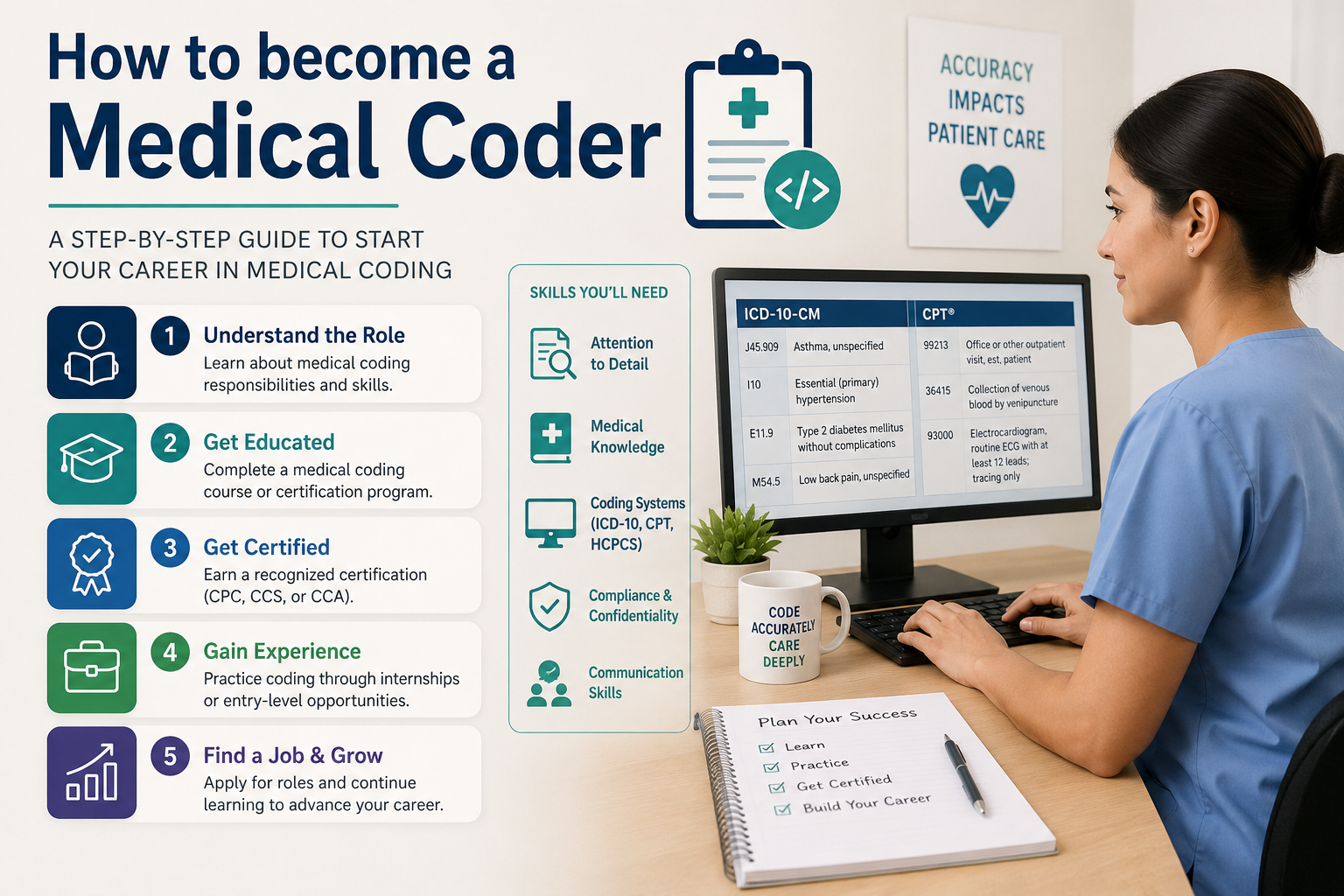
Medical coding is a rewarding career that bridges healthcare and administrative work, offering excellent job security and growth potential. If you're interested in entering this field but lack direct experience, don't worry—thousands of professionals have successfully transitioned into medical coding through structured learning and dedication. This guide outlines the proven steps to launch your medical coding career from scratch.
Understanding the Medical Coding Profession
Before diving into how to become a medical coder, it's essential to understand what the job entails. Medical coders translate healthcare services, diagnoses, procedures, and equipment into standardized codes used for billing, insurance claims, and medical records. They ensure accuracy, compliance, and efficiency in healthcare documentation. This role requires attention to detail, analytical thinking, and a commitment to continuous learning as coding standards evolve annually.
Get Proper Education and Training
The first step toward becoming a medical coder without experience is obtaining formal education. Most employers require at least a high school diploma or GED. Beyond this, you have several educational pathways:
Certificate Programs: Community colleges and online institutions offer medical coding certificate programs lasting 4-12 months. These programs cover medical terminology, anatomy, coding systems (ICD-10, CPT, HCPCS), and billing fundamentals.
Associate Degree Programs: Many community colleges offer associate degrees in health information technology or medical coding, typically requiring two years of study. These programs provide comprehensive training and enhanced career prospects.
Online Courses: Numerous reputable online platforms offer self-paced medical coding courses. Choose accredited programs recognized by professional organizations to ensure quality education and employer recognition.
Obtain Professional Certification
Certification is a critical credential that distinguishes you from other candidates. The most recognized certifications include:
Certified Professional Coder (CPC): Offered by the American Academy of Professional Coders (AAPC), the CPC certification is widely respected in the industry.
Certified Coding Associate (CCA): Provided by the American Health Information Management Association (AHIMA), this certification is ideal for beginners and leads to more advanced credentials.
Registered Health Information Technician (RHIT): This AHIMA credential requires formal education and exams, offering strong career advancement potential.
To become certified, you'll need to pass rigorous examinations covering coding practices, medical terminology, and healthcare regulations. Study materials and practice exams are readily available online.
Develop Essential Skills
Successful medical coders possess several key competencies:
Medical Terminology: Understanding anatomical terms, disease names, and medical procedures is fundamental. Invest time in specialized courses to build this vocabulary.
Attention to Detail: Coding errors can lead to billing problems and compliance issues. Develop meticulousness in your work habits.
Computer Proficiency: Familiarity with coding software, electronic health records (EHR) systems, and standard office applications is essential.
Analytical Thinking: You must interpret clinical documentation and select appropriate codes, requiring strong analytical abilities.
Compliance Knowledge: Understanding HIPAA regulations and coding guidelines ensures your work meets legal and ethical standards.
Gain Practical Experience
Experience is valuable for landing your first job. Consider these approaches:
Internships: Many healthcare organizations offer internships for individuals pursuing coding careers. These provide real-world experience and networking opportunities.
Volunteer Work: Volunteering at healthcare facilities, clinics, or nonprofit organizations helps build your resume and demonstrates commitment.
Practice Coding: Use sample cases and practice materials to develop your coding skills. Many professional organizations offer case studies and practice exams.
Entry-Level Positions: Some healthcare facilities hire coding assistants or auditors without extensive experience, providing on-the-job training.
Build Your Professional Network
Networking accelerates career advancement. Join professional organizations like AAPC or AHIMA, attend conferences and webinars, and connect with other Successful medical coders through online forums. These connections often lead to job opportunities and mentorship relationships.
Create a Strong Resume
Your resume should highlight:
- Relevant certifications (CPC, CCA, RHIT)
- Medical coding and billing knowledge
- Software proficiency
- Any healthcare experience or internships
- Strong organizational and analytical skills
- Commitment to continuous learning
Apply for Medical Coding Positions
With education, certification, and some practical experience, you're ready to apply for positions. Look for opportunities in:
- Hospitals and healthcare systems
- Physician offices and medical practices
- Insurance companies
- Billing and coding services companies
- Remote positions through established companies
Start with entry-level positions, which often accept candidates without direct experience but with proper education and certification.
Commit to Continuous Learning
Medical coding standards change annually. Maintain your certifications through continuing education, stay updated on regulatory changes, and pursue advanced certifications as your career progresses. This commitment ensures long-term career success and advancement.
Conclusion
Becoming a medical coder without experience is entirely achievable through structured education, professional certification, skill development, and perseverance. While the path requires dedication and investment in your training, the rewards—a stable career, competitive salary, and the satisfaction of supporting healthcare delivery—make it worthwhile. Start today by enrolling in a reputable program, commit to earning recognized certifications, and build the skills healthcare organizations need. Your journey to becoming a successful medical coder begins with a single step forward.

 English
 Arabic
 Spanish
 Portuguese
 Deutsch
 Turkish
 Dutch
Dutch
 Italiano
 Russian
 Romaian
 Portuguese (Brazil)
 Greek
Greek
