


In-Home Care Transitions: Ensuring a Smooth and Safe Recovery at Home
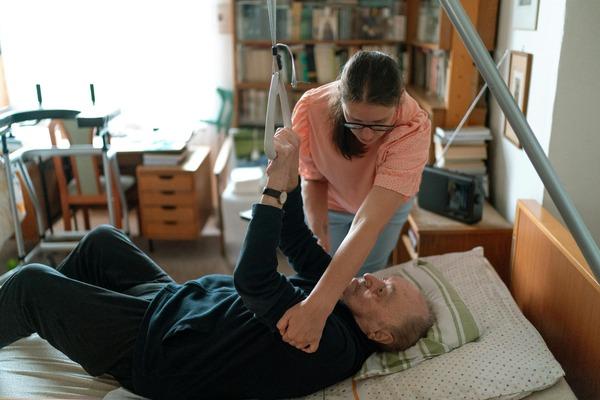
Healthcare needs often change after a hospital stay, surgery, illness, or rehabilitation program. For many individuals, returning home can be both exciting and challenging. Proper planning and support are essential to ensure safety, comfort, and continued recovery. Families and caregivers play a critical role in helping loved ones adjust to new routines, medications, and daily care requirements. Effective home-based support helps reduce stress while improving overall health outcomes.
Understanding In-Home Care Transitions
In-home care transitions refer to the process of moving from a healthcare facility, such as a hospital, rehabilitation center, or nursing facility, back to the comfort of home while maintaining necessary medical and personal support services. This transition period is one of the most important stages in a patient's recovery journey because it directly impacts health, independence, and quality of life.
A successful transition requires careful coordination among healthcare providers, family members, caregivers, and home care professionals. The goal is to ensure that the individual receives the right level of assistance, medication management, mobility support, and personal care needed to recover safely and confidently at home.
Why In-Home Care Transitions Matter
Returning home after medical treatment can be overwhelming, especially for seniors and individuals with chronic health conditions. Without proper support, patients may face complications such as medication errors, falls, missed follow-up appointments, or hospital readmissions.
In-home care services help bridge the gap between clinical care and independent living. Professional caregivers provide assistance with daily activities, monitor recovery progress, and help individuals follow medical recommendations. This comprehensive support system promotes healing while reducing the likelihood of setbacks.
Research consistently shows that structured home care support can improve recovery outcomes, increase patient satisfaction, and lower healthcare costs associated with avoidable hospital visits.
Common Challenges During Care Transitions
Many families underestimate the complexities involved in transitioning from a healthcare facility to home. Some of the most common challenges include:
Medication Management
Patients often return home with new prescriptions or updated medication schedules. Managing multiple medications can be confusing, especially for older adults. Missing doses or taking incorrect medications can lead to serious health complications.
Mobility and Fall Risks
After surgery, injury, or illness, mobility may be limited. Individuals may require assistance with walking, transferring from bed to chair, or navigating stairs safely. Without proper support, the risk of falls increases significantly.
Personal Care Needs
Activities such as bathing, dressing, grooming, and toileting may become difficult during recovery. Professional caregivers can provide respectful assistance while promoting independence whenever possible.
Emotional Adjustment
Transitioning home can bring feelings of anxiety, fear, or uncertainty. Patients may worry about managing their condition without constant medical supervision. Emotional support from caregivers and family members can make a significant difference during this period.
Key Components of a Successful Transition Plan
A well-structured transition plan helps ensure continuity of care and minimizes risks. Several important elements should be included:
Comprehensive Assessment
Before discharge, healthcare professionals should evaluate the patient's physical condition, home environment, and support system. This assessment helps identify potential challenges and determines the level of care needed.
Clear Communication
Effective communication between doctors, nurses, caregivers, and family members is essential. Everyone involved should understand care instructions, medication schedules, dietary requirements, and follow-up appointments.
Home Safety Modifications
Simple home modifications can greatly improve safety and accessibility. Examples include installing grab bars, removing tripping hazards, improving lighting, and arranging furniture to allow easy movement.
Ongoing Monitoring
Regular monitoring allows caregivers to identify concerns early and report changes to healthcare providers. Early intervention can prevent complications and support continued recovery.
Benefits of Professional In-Home Care Services
Professional home care providers offer valuable support during transitions. Their services are tailored to individual needs and can range from a few hours of assistance each week to around-the-clock care.
Some key benefits include:
- Personalized care plans designed around individual health needs.
- Assistance with daily living activities.
- Medication reminders and monitoring.
- Transportation to medical appointments.
- Companionship and emotional support.
- Enhanced safety and fall prevention.
- Reduced family caregiver stress.
- Improved independence and confidence.
Professional caregivers help create a stable environment where individuals can focus on healing while maintaining dignity and comfort.
Supporting Family Caregivers
Family members often take on significant responsibilities during care transitions. While providing care can be rewarding, it can also be physically and emotionally demanding. Caregiver burnout is a common concern when support systems are lacking.
Professional home care services can supplement family caregiving efforts by providing respite care, education, and practical assistance. This partnership allows family members to focus on spending meaningful time with loved ones rather than managing every aspect of care alone.
Access to experienced caregivers also provides reassurance that medical recommendations and daily care routines are being followed correctly.
Long-Term Impact of Effective Care Transitions
Successful in-home care transitions extend beyond immediate recovery. They help establish routines that support long-term health and independence. Patients who receive appropriate home care often experience greater confidence in managing their conditions and maintaining daily activities.
Additionally, effective transitions contribute to lower hospitalization rates, improved health outcomes, and enhanced quality of life. By addressing physical, emotional, and practical needs, home care services create a strong foundation for ongoing wellness.
Healthcare providers increasingly recognize the value of coordinated transition programs because they improve patient experiences while reducing strain on healthcare systems.
Conclusion
Navigating the journey from a healthcare facility back home can be challenging, but proper planning and professional support make all the difference. Effective in-home care transitions provide the structure, assistance, and peace of mind needed for a safe and successful recovery. From medication management and mobility support to personal care and companionship, home care services help individuals regain independence while reducing the risk of complications. For families seeking compassionate and reliable support, Premier Care Colorado offers personalized solutions designed to help clients thrive during every stage of their recovery journey.
FAQs
What are in-home care transitions?
In-home care transitions are the process of moving from a hospital, rehabilitation center, or healthcare facility back to home while receiving the necessary support and care to continue recovery safely.
Why are care transitions important?
Care transitions help prevent complications, reduce hospital readmissions, improve recovery outcomes, and ensure patients receive appropriate support after discharge.
Who benefits from in-home care transition services?
Seniors, individuals recovering from surgery, patients with chronic illnesses, and anyone needing assistance after a healthcare stay can benefit from these services.
What services are included during a care transition?
Services may include personal care assistance, medication reminders, mobility support, meal preparation, transportation, companionship, and ongoing health monitoring.
How can family caregivers be supported during transitions?
Professional home care providers can offer respite care, education, and supplemental assistance to reduce caregiver stress and ensure quality care for loved ones.
Can in-home care help prevent hospital readmissions?
Yes. Proper monitoring, medication management, and adherence to care plans can significantly reduce the risk of avoidable hospital readmissions.

 English
 Arabic
 French
 Portuguese
 Deutsch
 Turkish
 Dutch
Dutch
 Italiano
 Russian
 Romaian
 Portuguese (Brazil)
 Greek
Greek
