


The Engineering Behind BMW's Multifunction Steering Wheel Technology Explained
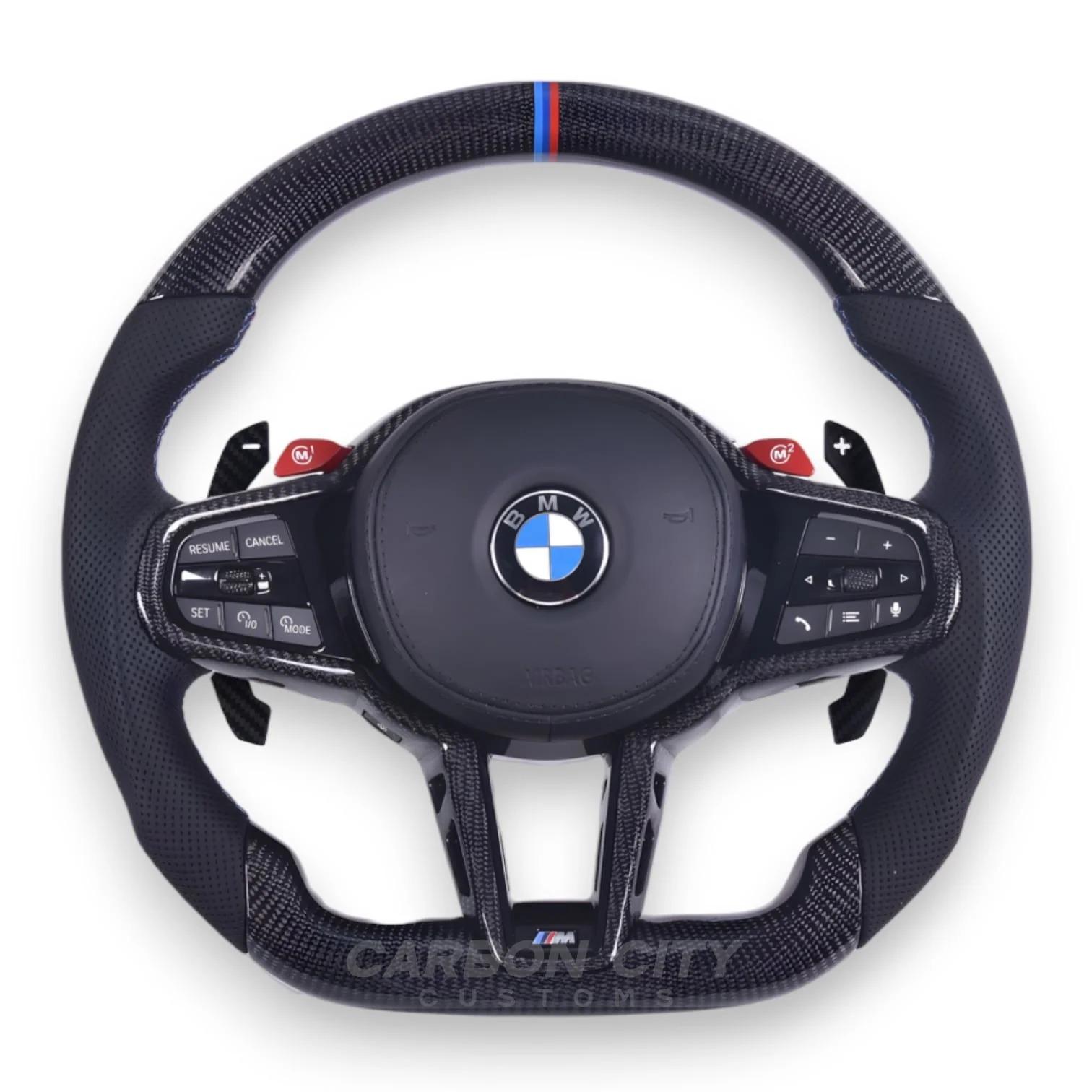
BMW has long distinguished itself in the automotive industry through meticulous engineering and innovative technology. Among the many features that define the BMW driving experience, the multifunction steering wheel stands out as a sophisticated integration of ergonomics, electronics, and precision manufacturing. This component goes far beyond simple directional control, serving as a central interface that connects drivers to their vehicle's advanced systems while maintaining the hallmark BMW focus on performance and driver engagement.
Core Engineering Architecture
The multifunction steering wheel begins with a high-strength foundation structure. BMW typically uses aluminum or high-grade steel alloys for the wheel's core, providing durability while minimizing weight. This structural backbone must withstand constant handling forces, vibration, and the mechanical stress of everyday use while maintaining precise alignment. The rim itself features a carefully calculated diameter and thickness that balances grip comfort with precise control feedback.
Integrated within this structure lies the electrical architecture. Modern BMW multifunction steering wheels contain complex wiring systems that route signals from buttons, switches, and control elements to the vehicle's central electronics. These wires are shielded and strategically positioned to prevent interference with the steering mechanism's mechanical components. The wiring must remain flexible enough to accommodate the steering column's rotation while maintaining consistent electrical connectivity.
Button and Control Integration
The control interface represents one of the most complex engineering challenges in steering wheel design. BMW positions buttons and switches at locations that drivers can reach without removing their hands from optimal gripping positions. Each button undergoes extensive testing to ensure tactile feedback meets precise standards for responsiveness and durability.
Behind each button sits a sophisticated switching mechanism. These typically employ membrane switches or capacitive sensors that convert physical pressure into electrical signals. The switching components must operate reliably across extreme temperature ranges, from freezing winter conditions to hot summer environments. Engineers design these mechanisms to withstand hundreds of thousands of press cycles without degradation.
The buttons control various vehicle functions including audio system adjustment, telephone operation, cruise control, display menu navigation, and driving mode selection. BMW integrates these functions through a centralized control module that processes input signals and communicates with the vehicle's various electronic systems via the CAN bus network.
Audio and Voice Control Systems
Multifunction steering wheels in BMW vehicles incorporate advanced audio control capabilities. Volume rollers, mute buttons, and source selection switches allow drivers to manage their entertainment system without diverting attention from the road. The audio signal routing requires precise electrical engineering to ensure clear transmission without interference or signal loss.
Many BMW models feature voice control activation buttons integrated into the steering wheel. These buttons trigger the vehicle's voice recognition system, enabling drivers to make commands for navigation, telephone, or media selection. The voice control integration requires synchronization between the steering wheel microphone input, the vehicle's voice processing unit, and the natural language recognition algorithms.
Cruise Control Engineering
Cruise control functionality represents a critical safety and convenience feature integrated into BMW steering wheel. The cruise control buttons activate and adjust the vehicle's speed maintenance system, which uses sensors to monitor distance from vehicles ahead and automatically adjusts throttle and braking.
The engineering behind cruise control integration involves complex communication between the steering wheel controls, the vehicle's electronic control unit, and the adaptive cruise control sensors. These sensors typically include radar or camera systems that continuously monitor road conditions and vehicle spacing. The steering wheel buttons send commands through the CAN bus network to the cruise control module, which then adjusts engine output and braking system operation.
Modern BMW adaptive cruise control systems can maintain speeds from zero to highway velocities, with automatic stopping and restarting capabilities. The steering wheel interface allows drivers to set desired speeds, adjust following distance, and activate or deactivate the system with simple button presses.
Display and Information Systems
BMW's multifunction steering wheels often include controls for the vehicle's digital display systems. Drivers can navigate through menus showing navigation maps, vehicle status information, driving statistics, and entertainment options. The engineering requires seamless integration between the steering wheel controls, the display processing unit, and the vehicle's information systems.
The display control buttons typically feature a combination of directional pads, selection buttons, and menu navigation switches. These components must provide precise input detection while maintaining compact dimensions that fit within the steering wheel's ergonomic constraints. The electrical signals from these controls travel through shielded wiring to prevent interference with the vehicle's other electronic systems.
Safety and Reliability Considerations
Safety engineering dominates every aspect of BMW multifunction steering wheel design. The wheel must maintain structural integrity during collision events while allowing deployment of the airbag system housed within its center. Engineers design the steering wheel to separate cleanly from its mounting point when the airbag deploys, ensuring the safety device functions without obstruction.
The electrical systems incorporate multiple redundancy features to prevent malfunction. Wiring connections use locking mechanisms that prevent disconnection from vibration or impact. The control modules include fail-safe programming that defaults to safe operation modes if system errors occur.
Durability testing encompasses extreme conditions including temperature extremes from -40°C to 85°C, vibration testing simulating years of road use, and humidity exposure. Each steering wheel undergoes rigorous quality control inspection before installation in vehicles.
Manufacturing Precision
BMW's steering wheel manufacturing employs precision automation alongside skilled work. The structural components are formed using high-precision molding and machining processes that ensure consistent dimensions. Electronic components are installed using automated assembly lines that maintain precise placement accuracy.
The wiring systems undergo automated testing to verify electrical continuity and insulation integrity. Button assemblies receive individual testing for tactile response and switching reliability. Final assembly includes comprehensive functional testing that verifies all control elements operate correctly.
Surface finishes receive careful attention to provide the tactile quality and visual appearance that BMW customers expect. Leather wrapping, when used, involves precise stitching and tension control to ensure durability and comfort.
The Evolution of Steering Wheel Technology
BMW continues advancing steering wheel technology with new features including touch-sensitive controls, haptic feedback systems, and enhanced voice integration. Future developments may incorporate gesture recognition, augmented reality display controls, and more sophisticated driver monitoring integration.
The engineering challenge remains balancing technological advancement with driver safety and usability. Every new feature must enhance the driving experience without creating distractions or complexities that compromise vehicle control.
For enthusiasts seeking to enhance their BMW's steering wheel experience, companies like Nevera Auto offer premium BMW steering wheel options that combine authentic engineering with upgraded features and materials. Their collection demonstrates how proper engineering principles can create steering wheels that meet BMW's exacting standards while providing enhanced functionality for modern driving demands.
The multifunction steering wheel exemplifies BMW's engineering philosophy: every component serves a purpose, every feature integrates seamlessly, and every detail reflects commitment to driver engagement and technological innovation. This sophisticated interface continues evolving while maintaining the core principles that have defined BMW's approach to automotive engineering for decades.

 English
 Arabic
 French
 Portuguese
 Deutsch
 Turkish
 Dutch
Dutch
 Italiano
 Russian
 Romaian
 Portuguese (Brazil)
 Greek
Greek
