


Rubber Expansion Joint: A Reliable Solution for Vibration and Movement Control
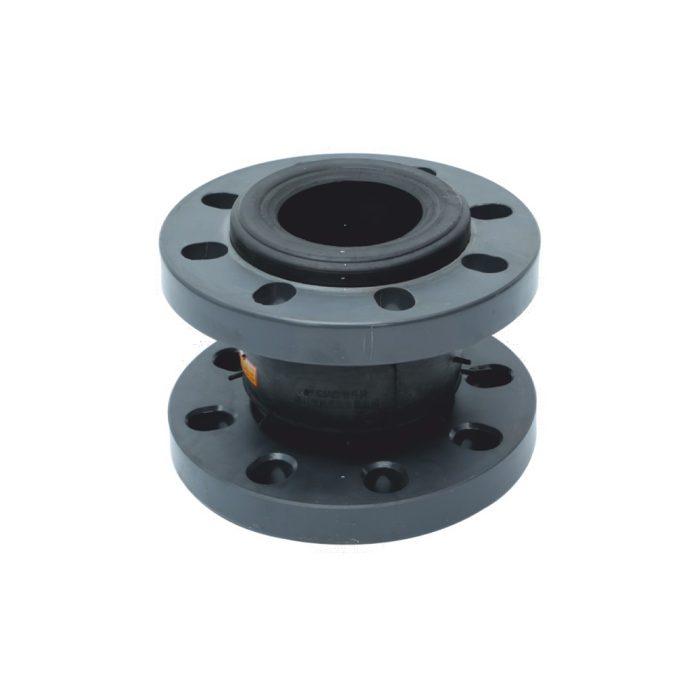
Industrial piping systems are constantly exposed to vibration, thermal expansion, pressure fluctuations, and mechanical movement. These factors can place significant stress on pipelines, pumps, compressors, and other connected equipment. Without proper protection, this stress may lead to equipment damage, leakage, increased maintenance costs, and reduced operational efficiency. One of the most effective solutions for managing these challenges is the rubber expansion joint.
A rubber expansion joint is specifically designed to absorb movement, reduce vibration, and protect piping systems from excessive stress. Due to its flexibility and durability, it has become an essential component in a wide range of industrial applications.
What Is a Rubber Expansion Joint?
A rubber expansion joint is a flexible connector installed between sections of piping systems to absorb movement and vibration. It is typically manufactured using high-quality elastomer materials reinforced with fabric or metal components to enhance strength and durability.
The primary purpose of a rubber expansion joint is to compensate for movements caused by thermal expansion, contraction, vibration, and equipment operation. By absorbing these movements, it helps maintain the integrity of the entire piping system.
Why Rubber Expansion Joints Are Important
Industrial systems often operate under demanding conditions where pipes are subjected to continuous stress. Changes in temperature can cause pipelines to expand and contract, while pumps and compressors generate vibrations that travel throughout the system.
Rubber expansion joints act as flexible barriers that absorb these forces before they reach sensitive equipment. This reduces the risk of damage and improves the overall reliability of the system.
Their ability to handle multiple types of movement makes them a valuable solution for industries that require dependable fluid handling systems.
Key Benefits of Rubber Expansion Joints
Excellent Flexibility
Rubber expansion joints are highly flexible and can absorb axial, lateral, and angular movements within piping systems. This flexibility helps reduce stress on connected equipment and supports smooth system operation.
Effective Vibration Isolation
Vibration generated by industrial machinery can negatively impact equipment performance and lifespan. Rubber expansion joints absorb and isolate these vibrations, preventing them from spreading through the piping network.
Noise Reduction
In addition to controlling vibration, rubber expansion joints help reduce operational noise levels. This creates a quieter and safer working environment in industrial facilities.
Thermal Expansion Compensation
Temperature changes cause pipelines to expand and contract. Rubber expansion joints accommodate these movements without placing excessive stress on pipes, fittings, or equipment.
Corrosion Resistance
Unlike certain metallic components, rubber materials offer excellent resistance to many corrosive environments. This makes rubber expansion joints suitable for handling various fluids and operating conditions.
Industrial Applications
Water Treatment Facilities
Water treatment plants use rubber expansion joints to absorb pump vibration and compensate for pipeline movement. Their flexibility helps improve system reliability and efficiency.
HVAC Systems
Heating, ventilation, and air conditioning systems frequently use rubber expansion joints to minimize vibration and noise generated by pumps, chillers, and fans.
Chemical Processing Plants
Chemical facilities often experience pressure fluctuations and aggressive operating conditions. Rubber expansion joints provide flexibility while helping protect equipment from mechanical stress.
Power Generation
Power plants use rubber expansion joints in cooling water systems, pumps, and piping networks where thermal expansion and vibration control are critical.
Manufacturing Industries
Various manufacturing facilities rely on rubber expansion joints to maintain smooth fluid transfer operations and reduce maintenance requirements.
Factors to Consider When Selecting a Rubber Expansion Joint
Selecting the appropriate rubber expansion joint requires careful consideration of operating conditions. Important factors include pressure rating, temperature range, media compatibility, movement requirements, and installation space.
The correct material selection ensures optimal performance and long service life. Proper sizing and installation are equally important for maximizing efficiency and preventing premature wear.
Organizations such as Yukon Industries contribute to industrial piping solutions by supporting applications that require reliable expansion joints and advanced flow management components.
Maintenance and Long-Term Performance
Although rubber expansion joints are designed for durability, regular inspection is recommended to ensure continued performance. Monitoring for signs of wear, aging, or environmental damage helps prevent unexpected failures and extends service life.
Routine maintenance also allows operators to identify potential issues before they affect system performance.
Conclusion
Rubber expansion joints provide an effective and reliable solution for controlling vibration, absorbing movement, and protecting industrial piping systems. Their flexibility, durability, and ability to handle thermal expansion make them indispensable in a wide range of industries. By reducing stress on equipment and improving system reliability, rubber expansion joints help organizations achieve safer operations, lower maintenance costs, and enhanced productivity. As industrial systems continue to evolve, these components will remain a critical part of efficient and dependable piping infrastructure.

 English
 Arabic
 French
 Spanish
 Portuguese
 Deutsch
 Turkish
 Dutch
Dutch
 Italiano
 Russian
 Portuguese (Brazil)
 Greek
Greek
